How I Finally Balanced My Lipids—And Why It Changed Everything
You’re not alone if you’ve ever felt overwhelmed by high cholesterol or fatty liver warnings. I was too—until I made small, science-backed changes that actually worked. This isn’t about quick fixes or magic pills. It’s about real, daily choices that support long-term lipid balance and overall health. I’m sharing what helped me, because understanding why these steps matter made all the difference. Always consult your doctor, but let this be your friendly push toward better wellness.
The Wake-Up Call: Recognizing the Silent Risk
For years, I felt perfectly fine—energetic, busy, managing life the way so many women do. Then came my annual checkup. The doctor paused while reviewing my blood work. My LDL cholesterol was creeping into the borderline-high range, and my triglycerides were elevated. There were no warning signs—no chest pain, no fatigue, nothing dramatic. That’s the nature of dyslipidemia: it’s often silent, undetected until it starts causing long-term damage. I wasn’t alone. According to the Centers for Disease Control and Prevention, more than 115 million adults in the United States have high cholesterol, yet many don’t know it because symptoms rarely appear until cardiovascular complications arise.
Understanding my lipid panel was the first step toward taking control. Cholesterol isn’t inherently bad—it’s essential for building cells and producing hormones. But balance is key. The panel measures several components: low-density lipoprotein (LDL), often called “bad” cholesterol because it can build up in artery walls; high-density lipoprotein (HDL), known as “good” cholesterol because it helps remove excess cholesterol from the bloodstream; total cholesterol, which is a sum of all types; and triglycerides, a form of fat stored in the body that rises with excess calorie intake. What matters isn’t just one number, but how they interact. A high HDL can offset moderately high total cholesterol, while elevated triglycerides combined with low HDL significantly increase heart disease risk.
My results didn’t mean I was headed for a heart attack, but they were a warning. Left unaddressed, imbalanced lipids contribute to atherosclerosis—the hardening and narrowing of arteries—which increases the risk of heart attack and stroke. The good news? These changes develop slowly, which means there’s time to act. My doctor didn’t rush to prescribe medication. Instead, she encouraged lifestyle adjustments and scheduled a follow-up in three months. That window became my motivation. I realized that my habits, not just my genes, played a major role. And if I had helped create the imbalance, I could also help correct it.
Why Lipid Regulation Isn’t Just About the Liver
Most people think of the liver when they hear about cholesterol, and rightly so—it produces about 75% of the body’s cholesterol. But lipid metabolism is a full-body effort. The gut, pancreas, muscles, and adipose (fat) tissue all play crucial roles. When insulin resistance develops—often due to excess weight, inactivity, or poor diet—the body struggles to manage blood sugar and fats effectively. This leads to higher triglycerides and lower HDL, a pattern commonly seen in metabolic syndrome. Chronic inflammation, often driven by poor diet and stress, further disrupts this system by altering how lipids are processed and transported.
Emerging research also highlights the gut microbiome’s influence on lipid balance. Certain gut bacteria help break down bile acids, which are made from cholesterol. When this process is inefficient, cholesterol may be reabsorbed rather than excreted, contributing to higher levels in the blood. Diets low in fiber and high in processed foods can harm beneficial bacteria, weakening this natural regulatory mechanism. Additionally, fat tissue isn’t just storage—it’s metabolically active, releasing hormones and inflammatory markers that affect insulin sensitivity and lipid profiles. This interconnectedness means that focusing solely on cholesterol-lowering foods or medications misses the bigger picture.
For me, this shift in understanding was empowering. Instead of seeing high cholesterol as a standalone problem, I began to view it as a signal of broader metabolic health. It wasn’t just about avoiding eggs or butter—it was about creating a lifestyle that supported harmony across systems. This meant addressing not only what I ate but also how active I was, how well I slept, and how I managed stress. Each factor influenced the others, forming a web of habits that either supported or undermined lipid balance. By treating my body as an integrated system, I could make choices that had ripple effects far beyond just my cholesterol numbers.
Food Choices That Actually Move the Needle
When I first tried to improve my lipid profile, I cut out all fats—only to feel sluggish and unsatisfied. I later learned that not all fats are created equal. The real issue wasn’t fat itself but the type and context of fat in my diet. The turning point came when I shifted from restriction to strategic inclusion. Three dietary changes made the most significant difference: increasing soluble fiber, prioritizing omega-3 fatty acids, and eliminating hidden sugars.
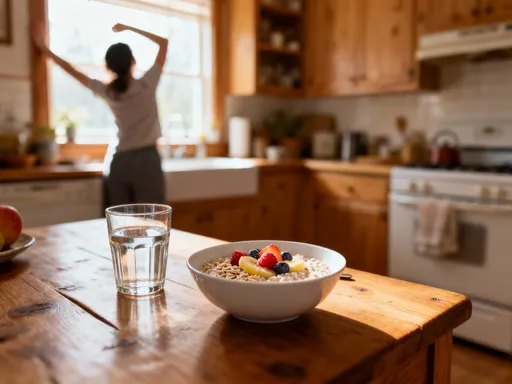
Soluble fiber, found in oats, beans, lentils, apples, and flaxseeds, binds to cholesterol in the digestive tract and helps remove it from the body. Studies show that consuming just 5 to 10 grams of soluble fiber per day can reduce LDL cholesterol by about 5%. I started my day with oatmeal topped with chia seeds and berries—a simple meal that provided nearly half my daily fiber goal. Legumes became a weekly staple, whether in soups, salads, or grain bowls. These changes didn’t feel punitive; they added variety and kept me full longer.
Omega-3 fatty acids, particularly EPA and DHA, are known for their triglyceride-lowering effects. Instead of relying on supplements right away, I focused on food sources. Fatty fish like salmon, mackerel, and sardines became regular features on my dinner plate. The American Heart Association recommends at least two servings of fatty fish per week for heart health, and I found this manageable even with a busy schedule. I also added walnuts and ground flaxseed to yogurt and smoothies for plant-based omega-3s (ALA), though these are less efficiently converted by the body.
Perhaps the most surprising change was cutting hidden sugars. I wasn’t drinking soda, but I hadn’t realized how much sugar was in pasta sauces, salad dressings, and even “healthy” granola bars. These added sugars contribute to elevated triglycerides by increasing liver fat production. I began reading labels and switching to low-sugar or no-sugar-added versions. Making my own dressings with olive oil, vinegar, and herbs became a small but impactful habit. Over time, my taste buds adjusted, and the sweetness of processed foods started to taste overwhelming. These weren’t drastic overhauls—just consistent, informed choices that added up.
Movement: The Forgotten Pillar of Lipid Health
I used to think exercise had to be intense to be effective. But when I started with just 20-minute walks after dinner, I noticed changes—not just in my mood, but in my health numbers. Physical activity is one of the most underrated tools for improving lipid profiles. Regular movement increases HDL cholesterol, lowers triglycerides, and enhances insulin sensitivity, all of which support better fat metabolism. The mechanism is straightforward: muscles use fatty acids for fuel during activity, reducing the amount circulating in the blood. Over time, this leads to improved lipid balance.
Walking became my foundation. It was accessible, required no special equipment, and fit into my daily routine. As I built consistency, I added short resistance training sessions two to three times a week. Lifting light weights or using resistance bands helped build muscle mass, which in turn increased my resting metabolic rate. More muscle means the body burns more calories—and fats—even at rest. Research from the American College of Sports Medicine shows that combining aerobic and resistance training yields better lipid improvements than either alone.
The key was consistency, not intensity. On busy days, I did 10 minutes of stretching or a quick walk around the block. The goal wasn’t to train for a marathon but to keep my body active every day. I also found ways to add movement naturally—parking farther from store entrances, taking the stairs, or doing squats while brushing my teeth. These small actions may seem trivial, but they contribute to overall energy expenditure and metabolic health. Within six months, my triglycerides had dropped significantly, and my doctor noted improvements in my overall cardiovascular risk markers. Movement wasn’t just about weight management—it was a direct contributor to healthier lipids.
Sleep and Stress: The Hidden Influencers
Even as I improved my diet and exercise, I hit a plateau. My triglycerides remained slightly elevated. Then I started tracking my sleep and stress levels—and noticed a pattern. Nights with poor sleep or high stress consistently preceded less favorable lab results. Science supports this: chronic stress increases cortisol, a hormone that promotes fat storage and raises blood sugar and triglycerides. Poor sleep disrupts circadian rhythms, which regulate hormones involved in appetite, metabolism, and inflammation. Both factors quietly undermine lipid balance, even when diet and exercise are on track.
I began prioritizing sleep hygiene. I set a consistent bedtime and wake time, even on weekends. I created a wind-down routine—dimming lights, reading a book, avoiding screens for at least an hour before bed. I also addressed stress through mindfulness. Simple breathing exercises, like inhaling for four counts and exhaling for six, helped activate the parasympathetic nervous system, reducing cortisol levels. I didn’t need hours of meditation—just five to ten minutes daily made a difference. Over time, I noticed deeper sleep, better focus, and fewer afternoon energy crashes.
These changes weren’t just about feeling rested—they had measurable effects. In a study published in the Journal of Clinical Sleep Medicine, adults who improved sleep quality saw reductions in LDL and triglycerides, independent of diet or exercise changes. Stress management has shown similar benefits. By addressing these often-overlooked areas, I finally broke through my plateau. It was a powerful reminder that health isn’t just about what we eat or how much we move, but also about how well we rest and recover.
When Lifestyle Isn’t Enough: The Role of Medical Guidance
I believed in the power of lifestyle change—and I saw real results. But after a year of consistent effort, my LDL remained slightly above target. That’s when my doctor suggested a low-dose statin. I hesitated at first, worried about side effects or feeling like I had “failed” at natural methods. But she explained that medication isn’t a sign of defeat—it’s a tool, like glasses for vision. For some people, genetics play a strong role in cholesterol production, making lifestyle changes necessary but not always sufficient. Familial hypercholesterolemia, for example, affects about 1 in 250 people and requires medication to manage risk effectively.
We discussed options, weighing benefits and potential side effects. I learned that statins are among the most studied medications in history, with decades of data supporting their safety and effectiveness in reducing cardiovascular events. My doctor emphasized regular monitoring and open communication. I started the medication and continued my healthy habits. Six months later, my lipid panel was within optimal range. The combination worked better than either approach alone.
This experience taught me that self-care and medical care are not opposites—they’re partners. No one should feel ashamed for needing medication, just as no one should assume supplements or diets can replace necessary treatment. The goal is health, not purity. Always consult a healthcare provider before making changes, especially when considering supplements or stopping prescribed medications. Being informed, asking questions, and staying engaged in your care is the best way to achieve lasting results.
Building a Sustainable Routine: Small Wins, Big Impact
I didn’t transform my health overnight. There were weeks when I skipped walks, ate takeout, or stayed up too late. But I learned to view progress, not perfection, as the goal. Sustainability came from building flexibility into my routine. I didn’t follow a rigid diet but created a set of guiding principles: eat more whole foods, move daily, sleep consistently, and manage stress. I tracked my progress not just through lab results but through how I felt—more energy, better digestion, improved mood.
Celebrating non-scale victories kept me motivated. Instead of fixating on numbers, I noticed I could walk up stairs without getting winded, that my clothes fit better, that I felt calmer. These small wins reinforced my efforts. I also allowed myself occasional treats without guilt. Balance isn’t about elimination—it’s about consistency over time. I found that the more I prioritized health, the more I naturally craved nourishing foods and activities.
Creating a routine that fits real life was essential. I meal-prepped on Sundays, scheduled walks with a friend for accountability, and used a sleep tracker to stay on track. I also shared my journey with my family, which helped them adopt healthier habits too. This wasn’t just about me—it was about building a healthier home environment. Over time, these choices became second nature, no longer feeling like effort but simply part of who I was.
Balancing lipids isn’t just about avoiding disease—it’s about investing in a healthier, more vibrant life. My journey taught me that small, consistent actions add up. By understanding the why behind each step, I gained control instead of fear. This path isn’t about perfection, but progress. Always consult your doctor, stay informed, and remember: every positive choice counts.