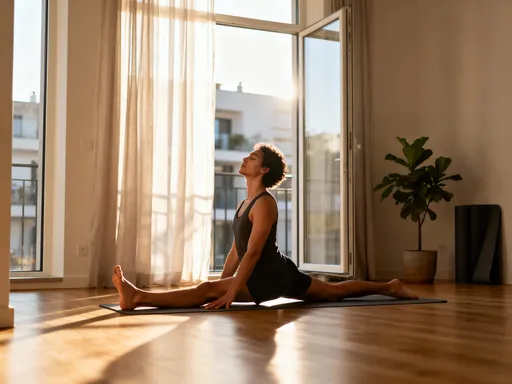
Why Flexibility Fits into Your Life Rhythm — And Actually Works
Flexibility isn’t just about touching your toes — it’s about fitting movement into your daily rhythm. I used to think stretching was for yogis only, until I noticed how stiff I felt after sitting all day. Turns out, small, consistent moves make a real difference. This isn’t about extreme stretches or hour-long routines. It’s about smart, doable habits that sync with your lifestyle. Let’s talk about how real flexibility works — naturally, effectively, and sustainably.
The Hidden Stiffness Epidemic
Modern life has quietly reshaped the way we move — or rather, how little we move. Many adults spend upwards of eight to ten hours a day seated, whether at a desk, in front of a screen, or behind the wheel. This prolonged inactivity affects more than energy levels; it directly impacts the body’s natural range of motion. Muscles shorten, joints stiffen, and over time, simple actions like bending down to tie a shoe or reaching for a high shelf become strained. This gradual loss of flexibility often goes unnoticed until discomfort sets in, making it what experts sometimes call a “silent epidemic” of modern living.
The root of this stiffness lies not in age alone, but in repetition — or the lack of it. The human body thrives on varied movement, yet most daily routines involve the same limited motions: typing, scrolling, driving, and sitting. Without regular stretching or dynamic activity, connective tissues like fascia lose elasticity, and muscle fibers adapt to shortened positions. The shoulders round forward from screen use, the hips tighten from prolonged sitting, and the lower back bears the strain. These changes aren’t dramatic overnight, but their cumulative effect can lead to chronic discomfort and reduced mobility over time.
Yet, the solution doesn’t require a complete lifestyle overhaul. Instead, it begins with recognizing the value of rhythmic movement — small, intentional stretches woven into the natural flow of the day. Rather than treating flexibility as a separate fitness goal, it can be reimagined as a daily rhythm, much like brushing your teeth or drinking water. When movement is integrated into existing habits, it becomes sustainable. Standing up to stretch after a phone call, rolling the shoulders during a commercial break, or gently bending the knees while waiting for the kettle to boil — these micro-moments add up. Over time, they help counteract the stiffness that accumulates from a sedentary lifestyle, restoring balance and ease to the body.
Why Flexibility Matters Beyond the Stretch
Flexibility is often misunderstood as simply the ability to perform a split or touch the floor with straight legs. In reality, it encompasses much more: joint mobility, muscle elasticity, and the overall freedom to move without restriction. It’s not just about how far you can stretch, but how well your body functions in everyday life. Good flexibility supports posture by allowing muscles to maintain their natural length, reducing the pull that leads to slouching or misalignment. It also plays a crucial role in injury prevention, as supple muscles and joints are less prone to strain during sudden movements or physical tasks.
Beyond physical function, flexibility contributes to what many describe as physical confidence — the quiet assurance that your body can handle daily demands without pain or limitation. This sense of capability becomes increasingly important with age, as natural declines in muscle elasticity and joint fluidity occur. However, research shows that regular stretching can slow these changes, preserving mobility well into later years. A study published in the Journal of Aging and Physical Activity found that older adults who engaged in consistent flexibility training reported better balance, fewer falls, and greater independence in daily activities compared to those who did not.
Moreover, flexibility supports functional strength — the kind needed for real-life movements like lifting groceries, gardening, or playing with grandchildren. When muscles are tight, they can’t contract efficiently, reducing overall strength and endurance. By maintaining a healthy range of motion, flexibility ensures that muscles work optimally, enhancing both performance and safety. It’s not about achieving a perfect pose on a yoga mat; it’s about moving through life with ease, comfort, and resilience. This broader understanding shifts flexibility from a cosmetic goal to a foundational element of long-term health.
The Myth of “No Time” for Stretching
One of the most common barriers to stretching is the belief that it requires large blocks of time — time that many feel they simply don’t have. Between work, family, and household responsibilities, adding another task to the day can feel overwhelming. Yet, this perception is based on a misconception. Flexibility training doesn’t need to be time-consuming to be effective. In fact, research increasingly supports the idea that short, frequent movement sessions — sometimes called micro-stretching — can be more beneficial than occasional long sessions.
A 2020 review in the International Journal of Sports Physical Therapy highlighted that participants who performed five-minute stretching routines three to four times a day showed greater improvements in hamstring and shoulder flexibility than those who did one 20-minute session weekly. The key factor was consistency. Frequent movement signals to the nervous system that the body needs to maintain a wider range of motion, leading to more sustainable gains. This approach aligns with how the body adapts — not through intensity, but through repetition and regularity.
Integrating micro-stretches into existing routines is both practical and effective. For example, while brushing your teeth, you can stand on one leg to improve balance and engage the core, then switch sides. While waiting for the microwave, you can perform gentle neck rolls or shoulder shrugs. After hanging up a phone call, take a moment to stretch your arms overhead and lengthen your spine. These small actions require no special equipment or preparation, yet they contribute to a cumulative effect that supports overall flexibility. By reframing stretching as a series of tiny habits rather than a formal workout, it becomes accessible to anyone, regardless of schedule.
Your Body’s Natural Rhythm and Movement Windows
The body operates on a natural internal clock known as the circadian rhythm, which influences everything from sleep patterns to hormone release — including physical performance. Muscle temperature, joint lubrication, and nervous system readiness fluctuate throughout the day, affecting how well the body responds to movement. Understanding these rhythms can help optimize when to stretch, making flexibility practices more effective and comfortable.
In the morning, muscles tend to be cooler and stiffer after hours of inactivity during sleep. This makes static stretching — holding a stretch for 20–30 seconds — less ideal upon waking, as cold muscles are more prone to strain. Instead, dynamic stretching is more appropriate. These movements, such as arm circles, gentle torso twists, or leg swings, gradually increase blood flow and prepare the body for activity. They mimic the natural warming-up process athletes use before training, helping to restore mobility without overloading tight tissues.
By contrast, evening is often the best time for static stretching. After a day of movement, muscles are warmer and more pliable, allowing for deeper, safer stretches. This is also when the body begins to wind down, making gentle stretching a valuable part of a bedtime routine. Research suggests that light stretching before sleep can improve relaxation, reduce muscle tension, and support better sleep quality. Whether it’s a few minutes of seated forward bends or lying on the floor with legs up the wall, evening stretches can serve both physical and mental recovery.
Additionally, midday offers another opportunity to reset the body, especially for those who spend long hours at a desk. A brief stretching break between tasks can counteract the stiffness that builds from prolonged sitting. These midday “movement windows” don’t need to be long — even two to three minutes can make a difference. By aligning stretching with the body’s natural energy shifts, flexibility becomes not just a habit, but a responsive practice that supports daily well-being.
Three Science-Backed Methods That Fit Real Life
Not all stretching is the same, and choosing the right method for the right time can enhance results. Three evidence-based approaches — active isolated stretching (AIS), dynamic warm-ups, and post-activity cooldowns — offer practical, effective ways to build flexibility into daily life without requiring special training or equipment.
Active isolated stretching involves holding a stretch for only one to two seconds and repeating it several times. This method works by gently lengthening the muscle without triggering the protective stretch reflex that can cause tightening. For example, to stretch the hamstrings, one might lie on their back, use a strap or towel to lift one leg, and gently pull it toward the chest for two seconds before lowering it. Repeating this 8–10 times per leg encourages gradual improvement without strain. AIS is particularly useful for those with limited mobility or chronic tightness, as it allows the body to adapt slowly and safely.
Dynamic warm-ups consist of controlled, repetitive movements that take joints through their full range of motion. Unlike static stretches, these are performed in motion — such as walking lunges, arm swings, or leg lifts. They are ideal for mornings or before physical activity, as they increase circulation, improve coordination, and prepare muscles for action. A simple three-minute dynamic routine might include shoulder rolls, torso twists, and ankle circles — movements that wake up the body without requiring much space or effort. These warm-ups are especially beneficial for those transitioning from sitting to standing activities, helping to prevent stiffness and reduce injury risk.
Post-activity cooldowns are equally important. After any physical effort — whether walking, cleaning, or gardening — muscles are warm and receptive to stretching. Taking just three to five minutes to perform static stretches at this time can enhance flexibility gains. Focus on major muscle groups used during the activity: calves, quads, hamstrings, and shoulders. Hold each stretch for 20–30 seconds, breathing deeply and avoiding any bouncing or forcing. This cooldown not only supports flexibility but also aids recovery by reducing muscle soreness and promoting relaxation. By matching the method to the moment, flexibility becomes a seamless part of daily life.
Building a Flexibility Habit That Sticks
The biggest challenge in improving flexibility isn’t the stretches themselves, but maintaining consistency. Motivation often fades when progress feels slow or invisible. However, research in behavioral science shows that habits are more likely to stick when they are tied to existing routines — a concept known as habit stacking. By attaching stretching to something already embedded in daily life, it becomes easier to remember and less likely to be skipped.
For example, after brewing morning coffee, take two minutes to stretch the back and shoulders. While waiting for dinner to cook, perform a few standing side bends or forward folds. After putting on pajamas at night, spend three minutes on a simple floor stretch routine. These pairings create mental cues that trigger the desired behavior without requiring extra willpower. Over time, the association strengthens, and the stretching habit becomes automatic.
Equally important is shifting the focus from intensity to consistency. Flexibility gains are gradual, and pushing too hard can lead to discomfort or injury. Instead, small, gentle efforts done regularly produce lasting results. Progress doesn’t need to be measured by dramatic changes in range of motion. Subtle signs — less stiffness in the morning, easier movement when bending or reaching, improved comfort during daily tasks — are valid indicators of improvement. Keeping a simple journal or using a habit-tracking app can help reinforce commitment without creating pressure.
Finally, patience is essential. The body adapts slowly, and flexibility is not a linear journey. Some days will feel better than others, and that’s normal. What matters is showing up consistently, listening to the body, and honoring its needs. Over months, these small actions accumulate into meaningful change — not just in how the body moves, but in how it feels from day to day.
When to Seek Professional Guidance
While flexibility is accessible to most, individual differences mean that a one-size-fits-all approach doesn’t work for everyone. Past injuries, chronic conditions like arthritis, or structural limitations can affect how the body responds to stretching. In such cases, working with a qualified professional — such as a physical therapist or certified trainer — ensures that practices are safe and effective.
Physical therapists can assess movement patterns, identify areas of restriction, and design personalized stretching programs that address specific needs. They can also teach proper techniques to avoid overstretching or compensating with other body parts. For those recovering from surgery or managing pain, professional guidance is especially valuable, as it helps prevent setbacks and supports healing.
It’s also important to recognize when discomfort signals a need for evaluation. While mild tension during stretching is normal, sharp pain, numbness, or persistent soreness should not be ignored. These may indicate underlying issues that require medical attention. Flexibility is a personal journey, and progress varies widely from person to person. Listening to the body’s signals — rather than comparing to others or chasing extreme ranges of motion — is key to long-term success. Professional support provides both safety and confidence, ensuring that flexibility efforts enhance, rather than hinder, overall well-being.
True flexibility isn’t about achieving perfect poses — it’s about moving freely in your own life rhythm. By integrating small, smart practices daily, you build a body that feels better, moves easier, and supports you long-term. This isn’t a quick fix, but a lasting shift. Start where you are, move with intention, and let your body catch the rhythm.