How My Hobby Became My Health Hero – And Can Save Yours Too
You know that little thing you do just for fun? I never thought my weekend pottery class would reveal early signs of stress-related tension—until my hands started shaking. Turns out, hobbies aren’t just distractions; they’re silent health alarms. When I paid attention, I caught imbalances before they became serious. This is how ordinary pastimes can become powerful tools for early wellness intervention—simple, personal, and surprisingly effective. What began as a creative escape evolved into a trusted barometer for physical and emotional well-being. In a world where health often feels like a checklist of doctor visits and lab results, there’s profound value in tuning into the quiet signals our daily joys send us. Hobbies, when approached with awareness, can offer insights no annual exam can match.
The Hidden Signal in Everyday Joy
Every time we engage in a familiar activity, we create a baseline of normalcy. Whether it’s kneading bread dough, tending to houseplants, or sketching in a notebook, these routines establish a rhythm that our bodies and minds come to expect. When subtle changes occur—like a slight tremor in the hand, a delay in reaction time, or a dip in enthusiasm—it’s often within these comforting rituals that the first signs of imbalance appear. These shifts, though small, can function as behavioral biomarkers: non-clinical indicators of underlying health changes that surface through regular, repeated actions. Unlike medical tests that capture a single moment, hobbies offer a continuous stream of feedback over time, making them uniquely suited to detect early deviations.
Consider a woman who has gardened every spring for two decades. This year, she finds she can no longer grip the trowel as firmly, her fingers fatigue quickly, and she needs to rest more often between tasks. She may not yet meet clinical criteria for any condition, but her hobby has revealed a decline in hand strength and endurance—possibly linked to early nerve changes, joint inflammation, or even vitamin deficiencies. Similarly, a retired teacher who journals each morning might notice her entries becoming shorter, less detailed, or filled with repetitive phrases. While this could simply reflect a busy week, it might also signal early cognitive shifts or emotional strain that haven’t yet been acknowledged.
The power of these signals lies in their context. Because hobbies are emotionally meaningful and regularly practiced, deviations stand out more clearly than in clinical settings. A person may not notice fatigue until they can no longer complete a knitting project in one sitting. A pianist might realize their concentration has waned when they keep missing the same measure. These moments of disruption, though minor, serve as personal red flags—invitations to pause and reflect. The key is not to panic at every small change, but to recognize that our favorite activities can act as sensitive early warning systems when we learn to listen.
Why Hobbies Work Where Checkups Fail
Annual physical exams are essential, but they have limitations. Most health screenings occur once a year and provide only a snapshot of a person’s condition at that moment. Blood pressure, cholesterol levels, and BMI are useful metrics, but they often miss subtle, gradual changes that develop between visits. A person can appear healthy on paper while experiencing real declines in energy, coordination, or mood. This gap is where hobbies step in. Because they are repeated regularly—sometimes daily—they offer a form of continuous self-monitoring that medical appointments simply cannot replicate.
Research supports the idea that routine behaviors can reveal health trends before clinical symptoms emerge. A study published by the National Institutes of Health highlighted how consistent engagement in structured activities, such as playing music or crafting, helped participants detect early signs of cognitive or motor changes. These individuals were more likely to seek medical advice sooner, leading to earlier interventions. The study emphasized that the emotional investment in these activities made deviations more noticeable and personally significant. In contrast, a slight drop in grip strength during a clinical test might go unnoticed or dismissed, but the same change during a beloved pastime—like struggling to open a jar while cooking or losing control of a paintbrush—becomes impossible to ignore.
Moreover, hobbies often involve fine motor skills, sustained attention, and emotional regulation—all of which are sensitive to stress, sleep quality, hormonal changes, and neurological health. When these functions are compromised, even slightly, they can disrupt the flow of a familiar activity. The advantage of hobbies is that they occur in real life, under natural conditions, without the artificial environment of a doctor’s office. This authenticity makes them powerful tools for detecting early warning signs that might otherwise slip through the cracks of traditional healthcare.
From Pleasure to Prevention: The Mind-Body Link
The mind and body are not separate systems; they communicate constantly, often without our conscious awareness. Emotional states like chronic stress, anxiety, or mild depression can manifest physically long before they are recognized mentally. This is where hobbies become especially revealing. Because many pastimes require coordination, focus, and emotional presence, they act as living mirrors of our internal state. A person may insist they are “fine” while their crooked stitches in embroidery tell a different story. The body remembers stress before the mind admits it—especially in activities that demand precision and calm.
Think of the nervous system as a network of invisible threads connecting every part of the body. When stress activates the sympathetic nervous system, it triggers a cascade of responses: muscles tighten, breathing becomes shallow, and fine motor control diminishes. These changes may be too subtle to notice in daily life, but during a hobby that requires steady hands—like beading, model building, or calligraphy—they become apparent. A quilter might find her hands trembling slightly when cutting fabric. A woodworker might notice increased frustration when sanding edges. These are not failures of skill, but reflections of internal strain.
Similarly, mood changes can alter the way we engage with creative activities. A person experiencing low-grade depression may still show up to their weekly painting class, but their color choices might shift from bright to muted, their brushstrokes heavier or more hesitant. They may lose interest in finishing projects or avoid starting new ones. These behavioral shifts are not just emotional—they are physiological. Neurotransmitters like serotonin and dopamine influence both mood and motor function, meaning that a drop in motivation can also affect coordination and focus. By paying attention to how we feel and perform during hobbies, we gain access to a rich source of real-time health data that bridges the gap between mind and body.
Real Changes, Real Fast: What Shifted for Me
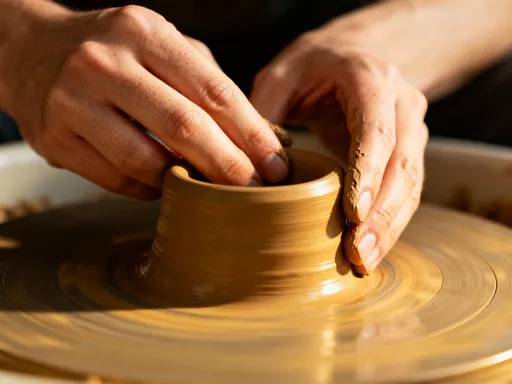
When I first noticed my hands shaking during pottery class, I dismissed it as fatigue. I had been sleeping poorly and juggling family responsibilities, so I assumed it was temporary. But when the tremor persisted for weeks and began affecting my ability to center clay on the wheel, I decided to track my symptoms. I started keeping a simple journal, noting how I felt before and after each session—my energy level, mood, sleep quality, and any physical discomfort. Within three weeks, a pattern emerged: my hands were most unsteady after nights with less than six hours of sleep and on days when I skipped meals.
This insight prompted small but meaningful changes. I adjusted my hobby schedule to align with my energy peaks, moving sessions to Saturday mornings instead of late Friday nights. I began using lighter tools and softer clay to reduce hand strain. I also prioritized hydration and made sure to eat a balanced snack before class. These adjustments didn’t eliminate stress, but they reduced its physical impact. Within a month, the tremor had diminished significantly, and my coordination improved. More importantly, I felt more in control—not just of my pottery, but of my overall well-being.
The changes extended beyond the studio. Better sleep hygiene and consistent meals improved my focus at home and reduced afternoon fatigue. Tracking my hobby experience had given me actionable data that no doctor’s questionnaire could provide. It wasn’t a diagnosis, but it was a wake-up call—one that led me to consult a healthcare provider about my sleep patterns and stress levels. The experience taught me that hobbies are not just outlets for creativity; they are dynamic feedback loops that can guide healthier choices when we learn to interpret their signals.
Building a Hobby-Based Early Warning System
Creating a personal early detection system around your hobbies doesn’t require complicated tools or medical training. It starts with simple observation. Choose one or two regular activities you enjoy and commit to noticing how you feel during and after them. What is your energy level? Is your focus sharp or scattered? Do you experience any physical discomfort, hesitation, or frustration? These observations don’t need to be formal, but consistency is key. Over time, patterns will emerge that can inform your self-care decisions.
One effective method is to keep a mood and activity log. A small notebook or digital app can be used to jot down brief notes before and after each session. Rate your mood on a scale of 1 to 10, note any physical sensations, and describe your performance in the activity. For example: “Felt tired before knitting; dropped a stitch twice, which is unusual.” Over several weeks, review the entries for recurring themes. Do low moods follow poor sleep? Does hand fatigue increase during busy weeks? These connections can help you identify lifestyle factors affecting your well-being.
Another valuable tool is the partner check-in. Share your observations with a trusted friend or family member who also engages in a regular hobby. Compare notes occasionally. You might say, “I’ve been feeling less steady when I bake—have you noticed anything similar in your gardening?” This kind of conversation normalizes self-monitoring and reduces isolation. It also increases accountability, making it more likely you’ll act on concerning patterns.
It’s important to emphasize that this system is not a substitute for professional medical advice. Its purpose is not to diagnose, but to prompt timely consultation. If you notice persistent changes—such as ongoing tremors, memory lapses, or prolonged loss of interest—use them as a reason to schedule a visit with a healthcare provider. Early detection increases the chances of effective intervention, and your hobby may be the first to sound the alarm.
Not All Hobbies Are Equal: Choosing for Awareness
While all hobbies offer mental health benefits, some are better suited for detecting early physical or emotional changes. Hands-on, tactile activities tend to be more revealing than passive ones. For example, knitting, sewing, or playing a musical instrument requires fine motor control and sustained attention, making it easier to notice subtle shifts in coordination or focus. In contrast, watching TV or scrolling through social media provides little feedback about physical or cognitive state, as they demand minimal engagement and allow the mind to drift.
Rhythmic or repetitive activities—like dancing, walking, or baking—also offer valuable insights. They establish a predictable pattern, so any disruption stands out. A dancer might notice a slight imbalance in posture or a delay in footwork. A baker might realize their timing is off or their hands are less steady when measuring ingredients. These activities engage both body and mind in a structured way, making them ideal for monitoring overall function.
Cognitively engaging hobbies, such as journaling, puzzles, or learning a new language, are particularly useful for tracking mental clarity and emotional health. A person who enjoys crossword puzzles might notice they’re taking longer to complete them or making more errors. Someone who journals regularly may observe changes in tone, content, or frequency. These shifts can reflect cognitive fatigue, stress, or mood changes that haven’t yet been consciously recognized.
For those looking to start a new hobby with wellness awareness in mind, consider activities that combine physical, mental, and emotional engagement. Woodworking, gardening, painting, and cooking are excellent choices. They involve planning, precision, and sensory feedback, offering rich opportunities for self-observation. The goal is not to turn leisure into labor, but to choose pastimes that naturally invite presence and attention—qualities that enhance both enjoyment and health insight.
When Fun Meets Function: Making It Last
The greatest risk in using hobbies for health monitoring is turning joy into pressure. The moment a beloved activity feels like a chore or a test, its benefits begin to erode. The goal is not to scrutinize every movement or obsess over minor changes, but to cultivate gentle awareness. Think of it as listening to a friend—you don’t interrogate them constantly, but you notice when their tone shifts or their energy dips. The same mindful attention can be applied to hobbies without sacrificing their restorative power.
To maintain balance, keep the focus on enjoyment first. Let observation happen in the background, not as a primary goal. If tracking begins to feel stressful, scale back. A simple mental note—“I felt unusually tired today”—is enough. Avoid rigid data collection if it drains the fun. The purpose is to deepen your connection to yourself, not to create another performance metric.
Over time, this approach can transform the way we view self-care. Hobbies are often seen as luxuries—something we do when everything else is taken care of. But when we recognize their role in early health detection, they become essential infrastructure for long-term wellness. They are not escapes from reality, but reflections of it. Backed by science and powered by passion, they offer a sustainable, personal, and deeply human way to stay attuned to our bodies and minds.
Always remember: if you notice persistent or concerning changes, consult a healthcare professional. Your hobby may be the first to raise a flag, but your doctor is the one who can help you respond. By combining the wisdom of daily life with the expertise of medicine, you create a powerful partnership for lifelong health. Let your passions not only bring you joy—but also guide you toward greater well-being, one mindful moment at a time.