What I Learned About Healing After Pregnancy—And Why It Changed Everything
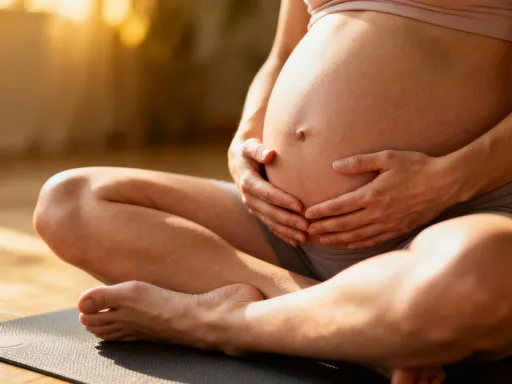
Pregnancy transforms your body in ways no one fully prepares you for. After giving birth, I thought recovery meant resting for a few weeks and bouncing back. But real healing? That’s a long-term journey. I struggled with fatigue, core weakness, and emotional ups and downs—until I discovered gentle, science-backed rehabilitation methods that actually worked. This isn’t about quick fixes; it’s about sustainable care that supports your body for years. What I learned changed not only how I move and feel but also how I see myself. Healing after pregnancy isn’t a side task—it’s foundational to long-term health, confidence, and well-being.
The Hidden Reality of Postpartum Recovery
Many women believe that once the six-week postpartum checkup is complete, the body has returned to normal. In reality, this timeline is more of a medical benchmark than a biological finish line. True recovery extends far beyond this point, often lasting months or even years. The body undergoes profound changes during pregnancy—ligaments loosen, organs shift, and muscles stretch to accommodate a growing baby. These adaptations don’t reverse overnight. The assumption that healing is complete at six weeks can lead to premature return to intense activity, increasing the risk of long-term complications.
Physically, many women face challenges such as diastasis recti, a condition where the abdominal muscles separate along the midline. This separation can affect core stability and increase strain on the lower back. Pelvic floor dysfunction is another common issue, with symptoms ranging from urinary leakage to discomfort during daily movements. Joint instability, particularly in the hips and pelvis, is also prevalent due to the hormone relaxin, which softens connective tissues to prepare for childbirth. These changes are not signs of weakness but natural responses to pregnancy—yet they require intentional care to restore.
Equally important are the emotional aspects of postpartum recovery. Hormonal fluctuations after delivery can contribute to mood swings, fatigue, and difficulty concentrating. Many women feel pressure to “bounce back” quickly, to resume household duties, return to work, or regain their pre-pregnancy shape. This societal expectation often clashes with the body’s actual needs, creating a sense of failure or inadequacy. The emotional toll of feeling disconnected from one’s body can be just as significant as physical symptoms. Recognizing that healing is not linear—and that setbacks are normal—is crucial for long-term well-being.
Short-term thinking about recovery can delay progress. When women push too hard too soon, they may experience setbacks such as increased pain, prolonged weakness, or worsening of pelvic floor issues. Research shows that women who engage in structured, gradual rehabilitation report better physical outcomes and higher quality of life months after delivery. The key is shifting from a mindset of “getting back to normal” to one of building a stronger, more resilient foundation. This shift begins with understanding that postpartum healing is not a race but a process that deserves time, attention, and compassion.
Why Long-Term Rehabilitation Matters More Than You Think
The changes pregnancy brings to the body are not temporary. While delivery marks the end of gestation, the physiological adjustments continue to influence health for months and even years. Connective tissues remain more pliable due to lingering hormonal effects, and the musculoskeletal system must relearn stability without the weight and positioning of a baby. These adaptations require more than rest—they demand active, informed rehabilitation. Without proper care, women may face long-term consequences such as chronic back pain, pelvic organ prolapse, or recurring injuries during everyday activities.
One of the most overlooked aspects of postpartum recovery is the lasting impact on posture. During pregnancy, the center of gravity shifts forward, leading to increased curvature in the lower back and a forward tilt of the pelvis. After delivery, this posture often persists, especially if core and pelvic muscles are not properly retrained. Over time, poor alignment can lead to joint wear, muscle imbalances, and discomfort. Studies have shown that women who participate in targeted postpartum exercise programs experience significant improvements in posture, strength, and pain reduction, even six months or more after birth.
Core integrity is another area that benefits from long-term attention. The deep abdominal muscles, particularly the transverse abdominis, often remain weakened or disconnected after childbirth. This muscle acts like a natural corset, supporting the spine and internal organs. When it’s not functioning properly, the body compensates by overusing superficial muscles, leading to strain and fatigue. Gradual reactivation through specific breathing and stabilization exercises has been shown to restore function over time. The improvements may be subtle at first, but they accumulate with consistency.
Evidence supports the value of sustained rehabilitation. A 2021 review published in the Journal of Women’s Health Physical Therapy found that women who engaged in guided postpartum programs reported better physical function, reduced symptoms of pelvic floor dysfunction, and higher satisfaction with their recovery. These benefits were most pronounced in those who continued care beyond the initial six-week window. The takeaway is clear: long-term rehabilitation is not a luxury—it’s a necessary investment in future health. By prioritizing gradual, science-based recovery, women can reduce their risk of chronic issues and build a stronger foundation for daily life.
Core Healing: It’s Not Just About Abs
When most people think of core strength, they picture visible abdominal muscles. But true core function involves a complex system of deep muscles that work together to stabilize the body. The core includes the transverse abdominis, the deepest abdominal layer; the diaphragm, which controls breathing; the pelvic floor muscles at the base of the pelvis; and the muscles surrounding the spine. These components must coordinate precisely to support movement, protect the lower back, and maintain continence. After pregnancy, this system is often disrupted, and restoring it requires more than traditional ab exercises.
Crunches and sit-ups, commonly recommended for core strength, can actually be counterproductive in the postpartum period. These movements increase intra-abdominal pressure, which may worsen diastasis recti or strain weakened tissues. Instead, rehabilitation should begin with low-pressure activation of the deep core. Diaphragmatic breathing is a foundational practice—inhaling deeply to expand the belly, then exhaling slowly while gently drawing the navel toward the spine. This simple action engages the transverse abdominis and coordinates it with the diaphragm and pelvic floor.
Once breath control is established, the next step is integrating core engagement into basic movements. For example, gently activating the core while lying on your back and bringing your knees toward your chest helps retrain muscle connection without strain. Progression includes exercises like pelvic tilts, dead bugs, and bird-dogs, all of which emphasize control over intensity. These movements teach the body to stabilize before moving, a principle essential for safe lifting, bending, and twisting in daily life.
For me, this approach made a noticeable difference within weeks. I no longer felt a gap in my abdomen when I sat up, and my lower back pain decreased significantly. The changes were subtle at first—less wobble when standing on one leg, more ease when lifting my baby—but they built over time. The key was consistency, not speed. By focusing on quality of movement rather than quantity of reps, I rebuilt strength from the inside out. Core healing isn’t about achieving a flat stomach; it’s about restoring function, stability, and confidence in your body’s ability to support you.
Pelvic Floor Recovery: More Than Just Kegels
Kegels are often presented as the go-to solution for postpartum pelvic health, but they are only one piece of a much larger puzzle. The pelvic floor is a group of muscles that form a sling at the base of the pelvis, supporting the bladder, uterus, and rectum. These muscles must be both strong and flexible to function properly. After childbirth, they can be weakened from stretching or trauma, but they can also become overly tight due to compensation or stress. Performing Kegels without understanding your specific condition may worsen symptoms, especially if the muscles are already tense.
Signs that you may need professional assessment include urinary leakage during coughing or exercise, a sensation of heaviness or pressure in the pelvis, discomfort during intercourse, or difficulty controlling bowel movements. These symptoms are not rare—studies suggest that up to one-third of women experience some degree of pelvic floor dysfunction after childbirth. Yet many suffer in silence, believing these issues are an inevitable part of motherhood. The truth is, they are treatable with the right approach.
Effective pelvic floor recovery involves more than squeezing muscles. It requires coordination—learning how to contract and relax the muscles at the right time. For instance, the pelvic floor should naturally lift during a cough or sneeze to prevent leakage, but it should also fully relax during urination. Overactive muscles that cannot release properly can lead to pain and incomplete emptying. A pelvic floor physical therapist can assess muscle tone, guide proper technique, and design a personalized plan that may include manual therapy, biofeedback, or specific exercises.
In my own journey, working with a therapist was transformative. I learned that my muscles were both weak and tight, a common but misunderstood combination. Instead of doing endless Kegels, I practiced reverse Kegels—gently releasing the muscles—and incorporated breathing techniques to reduce tension. I also worked on alignment and posture to take pressure off the pelvic floor. Over time, I regained control and comfort. The process was slower than I expected, but it was far more effective than any generic exercise routine. Pelvic floor recovery is not about brute strength; it’s about balance, awareness, and timing.
Movement That Supports, Not Strains: The Right Way to Rebuild Strength
Many women are eager to return to exercise after childbirth, often drawn to high-intensity workouts promoted on social media. While staying active is beneficial, returning too quickly to intense activity can do more harm than good. The body needs time to rebuild strength gradually, especially when connective tissues remain more elastic and joints less stable. Rushing into running, heavy lifting, or fast-paced classes can increase the risk of injury, pelvic floor strain, and setbacks in recovery.
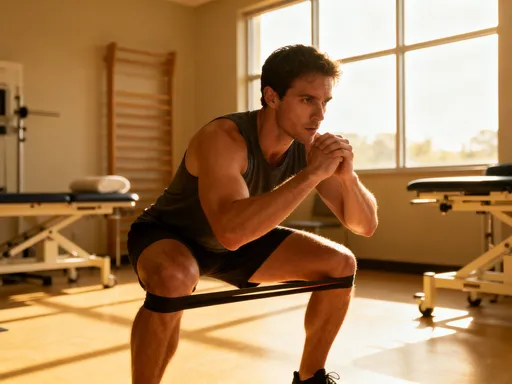
Low-impact movement is the cornerstone of safe postpartum exercise. Walking is one of the most effective and accessible forms of activity. It improves circulation, supports mood, and gently engages core and leg muscles without excessive strain. As strength improves, modified strength training can be introduced—using body weight or light resistance to build endurance. Exercises like glute bridges, wall push-ups, and seated rows help rebuild upper and lower body strength while maintaining proper form and alignment.
Stability work is equally important. Exercises that challenge balance, such as standing on one leg or using a foam pad, activate deep stabilizing muscles and improve coordination. These movements may seem simple, but they lay the foundation for more complex activities. A sample weekly routine might include walking three times a week, two sessions of gentle strength training, and daily core and pelvic floor exercises. The key is consistency and progression—adding duration or resistance only when the body is ready.
For me, shifting from intensity to consistency was a game-changer. I stopped comparing my workouts to pre-pregnancy routines and instead focused on how I felt. Gradually, I noticed improvements: more energy, better posture, and greater ease in daily tasks. I could lift my child without wincing, carry groceries without back pain, and play on the floor without fatigue. These small victories were the result of patience and respect for my body’s needs. Rebuilding strength isn’t about pushing harder—it’s about moving smarter and listening closely to what your body is telling you.
Mind-Body Connection: Rest, Stress, and Emotional Healing
Physical recovery does not happen in isolation. The mind and body are deeply connected, and chronic stress can significantly slow the healing process. When the body is under constant stress, it produces elevated levels of cortisol, a hormone that, in excess, can impair tissue repair, weaken the immune system, and contribute to fatigue. For new mothers, stress often comes from sleep deprivation, caregiving demands, and the pressure to meet personal and societal expectations. Addressing these emotional and mental factors is just as important as physical rehabilitation.
Sleep, though often fragmented in early motherhood, plays a critical role in recovery. During deep sleep, the body repairs tissues, balances hormones, and consolidates motor learning—essential for retraining muscles. While uninterrupted sleep may be unrealistic, prioritizing rest through naps, shared caregiving, or early bedtimes can make a meaningful difference. Mindfulness practices, such as focused breathing or short meditation sessions, can also reduce stress and improve emotional regulation. These habits don’t require large time commitments—a few minutes of intentional breathing during a baby’s nap can reset the nervous system.
Emotional support is another vital component. Talking with other mothers, joining support groups, or seeking counseling can provide validation and reduce feelings of isolation. Recognizing that postpartum emotions—whether joy, sadness, or frustration—are normal helps women process their experiences without judgment. Small daily habits, such as pausing to express gratitude, journaling thoughts, or setting realistic expectations, can foster resilience. Healing is not just about fixing the body; it’s about nurturing the whole self.
For me, the biggest shift came from changing my mindset. I stopped viewing recovery as a checklist to complete and began seeing it as an act of self-respect. I allowed myself to rest without guilt, asked for help when needed, and celebrated small improvements. This mental shift reduced my stress and, in turn, supported my physical progress. When I stopped fighting my body and started listening to it, healing accelerated. The mind-body connection is powerful—when nurtured with kindness and awareness, it becomes a foundation for lasting well-being.
Building a Sustainable Self-Care Routine for Life
Postpartum rehabilitation should not end when the baby is no longer a newborn. The habits developed during recovery can—and should—become lifelong practices. Core engagement, pelvic floor awareness, mindful movement, and stress management are not temporary fixes; they are essential skills for long-term health. Integrating these practices into daily life ensures that the benefits of rehabilitation continue for years, supporting women through future pregnancies, aging, and changing physical demands.
Daily routines can include simple but powerful habits: starting the day with diaphragmatic breathing, checking in with pelvic floor tension, taking short walks, or practicing mindful moments during routine tasks. These actions don’t require special equipment or large time blocks—they fit naturally into the rhythm of motherhood. The goal is not perfection but consistency. Over time, these small choices add up to significant improvements in strength, energy, and body confidence.
Patience is perhaps the most important quality in this journey. Healing is not a race, and progress is often measured in small, quiet victories—a deeper breath, a pain-free movement, a moment of presence. Celebrating these moments reinforces positive change and builds motivation. It’s also important to honor individual differences. Every woman’s body responds differently to pregnancy and recovery, and comparing journeys can lead to unnecessary frustration. What matters most is listening to your own body and responding with care.
Finally, seeking professional guidance is a sign of strength, not weakness. A physical therapist, especially one specializing in women’s health, can provide personalized assessments and tailored programs. These experts offer knowledge and support that go far beyond generic online advice. Healing after pregnancy is a profound act of self-care—one that honors the incredible work the body has done. By committing to sustainable, science-backed recovery, women can reclaim their strength, improve their quality of life, and build a foundation of wellness that lasts a lifetime.