Driving Into the Heart of Danish Celebration: A Self-Drive Journey Through Copenhagen’s Festival Soul
You know that feeling when a city just vibrates with life? That’s Copenhagen during festival season. I hit the road with nothing but a map, an open window, and a hunger for real moments. From spontaneous street parades to harborfront concerts under the midnight glow, driving through Denmark’s capital during its cultural peaks revealed a side most tourists never see. This isn’t just travel—it’s connection, rhythm, and joy on four wheels. The ease of movement, the ability to shift from one neighborhood’s pulse to another’s quiet charm, transforms sightseeing into storytelling. In those moments behind the wheel, with music drifting in from passing stages and laughter echoing through open windows, I discovered that the true soul of Copenhagen unfolds best when you’re free to follow it.
Why Copenhagen Comes Alive in Festivals
Copenhagen’s festival culture is deeply rooted in the Danish concept of hygge—a cherished emphasis on warmth, togetherness, and simple pleasures. This cultural heartbeat pulses strongest during its annual celebrations, where public spaces become stages and ordinary streets transform into vibrant canvases of music, art, and shared experience. Unlike performances staged behind velvet ropes, Copenhagen’s festivals are participatory by nature. Locals don handmade costumes, join impromptu dance circles, and gather in parks with blankets and thermoses, turning the entire city into a living, breathing celebration.
Major events like the Copenhagen Carnival fill the city with color and rhythm each May, drawing over 100,000 attendees who line the streets to watch elaborately costumed groups parade through the city center. The energy is infectious—samba beats echo between historic buildings, children wave flags from their parents’ shoulders, and the air carries the scent of grilled sausages and sweet waffles. Similarly, Distortion, often referred to as the unofficial kickoff to summer, blends underground music, street food, and all-night exploration across neighborhoods like Vesterbro and Nørrebro. What sets these events apart is their decentralized nature—there is no single venue, no fenced-off arena. The city itself becomes the festival ground.
Equally compelling is Culture Night, or Kulturnatten, when museums, galleries, and even private studios open their doors after dark, offering free access to performances, installations, and workshops. Churches host choral recitals, courtyards become pop-up theaters, and light projections dance across centuries-old facades. These events are not isolated happenings; they are threads in a larger tapestry of community life, reflecting a society that values accessibility, creativity, and shared joy. For visitors, this means immersion is not only possible—it’s expected.
Experiencing these festivals by car adds a unique dimension to the journey. While many rely on public transport or walking, having a vehicle allows travelers to witness not just the main events but also the quieter, spontaneous moments that unfold on the city’s edges. A spontaneous drum circle in a suburban park, a lantern-lit procession in a residential district, or a local food market tucked behind a quiet square—these are the experiences that often escape guidebooks. A self-drive approach offers flexibility, enabling travelers to move with the rhythm of the city rather than against it. It’s not about speed or distance; it’s about presence and possibility.
The Freedom of Self-Driving: Your Festival Passport
In a city celebrated for its bike lanes and efficient metro, choosing to drive might seem counterintuitive. Yet during festival season, when foot traffic swells and public transit lines stretch beyond capacity, a rental car becomes a strategic advantage. It’s not just about convenience—it’s about autonomy. When a street performance catches your eye in Østerbro or a pop-up art exhibit appears unexpectedly in Amager, being behind the wheel means you can adapt in real time, turning detours into discoveries.
Public transportation, while reliable, often follows fixed routes that prioritize major hubs. This can make it difficult to reach satellite events or explore emerging cultural pockets on the city’s periphery. During Distortion, for instance, some of the most authentic experiences happen in local bars and courtyards far from the central metro stops. Without a car, these venues may require long walks or multiple transfers—barriers that can dampen spontaneity. With a vehicle, however, you’re equipped to chase the night, shifting seamlessly from one district’s vibe to another’s.
Renting a compact or hybrid vehicle is ideal for navigating Copenhagen’s narrow streets and historic quarters. Models like the Volkswagen Polo, Toyota Yaris, or electric options such as the Nissan Leaf offer maneuverability and fuel efficiency, making them well-suited for urban driving. Many rental agencies in Copenhagen, including those at the airport and central train stations, provide GPS-enabled cars with real-time traffic updates—essential tools during festival weekends when road closures and diversions are common.
Equally important is the ability to retreat when needed. Festivals, for all their joy, can be overwhelming—especially for travelers with children or those who value moments of quiet reflection. A car offers a private space to regroup, enjoy a snack, or simply watch the city unfold from a parked vantage point. It becomes a mobile sanctuary, allowing families to balance excitement with comfort. For older travelers or those with mobility considerations, the option to drive short distances between events reduces physical strain while preserving the richness of the experience.
Moreover, self-driving supports sustainable travel when done mindfully. By consolidating trips and using fuel-efficient or electric vehicles, travelers can minimize their environmental impact while still enjoying the freedom of movement. Many parking areas in Copenhagen now offer EV charging stations, particularly in newer districts like Nordhavn and Sydhavn, reflecting the city’s broader commitment to green urban living. In this way, driving becomes not just a practical choice but a responsible one.
Navigating the City: Routes That Connect the Rhythm
A well-planned driving route can turn a festival visit into a cohesive narrative, guiding travelers through the evolving moods of Copenhagen’s cultural landscape. One recommended itinerary begins in the city center, at Kongens Nytorv, where the Copenhagen Carnival parade traditionally kicks off. From here, drivers can follow the festive energy southward into Nyhavn, where harborfront stages host live music and food vendors line the cobblestone paths. The route then winds through the historic district of Christianshavn, known for its canals and bohemian atmosphere, before crossing into Amager.
On Amager, the atmosphere shifts—open spaces like Amager Fælled and Kalvebod Fælled host large outdoor events, including eco-conscious festivals and family-oriented gatherings. These areas are often overlooked by tourists relying on public transit but are easily accessible by car. The drive itself becomes part of the experience, with views of the Øresund Bridge and glimpses of migratory birds along the coastal wetlands. During summer nights, when daylight lingers past 10 p.m., the golden light casts a dreamlike glow over the landscape, enhancing the sense of journey and discovery.
Looping back toward the city, drivers can pass through Østerbro, a residential district that transforms during Culture Night into a hub of artistic activity. Local schools, community centers, and even private homes open their doors to the public, offering intimate performances and interactive exhibits. Parking near Fælledparken or Trianglen provides convenient access, with park-and-walk options that balance convenience and foot exploration. Similarly, a drive into Vesterbro—Copenhagen’s trendiest neighborhood—reveals a dynamic mix of street art, underground music venues, and pop-up dining experiences during events like Distortion.
Real-time navigation tools like Google Maps or local alternatives such as Rejseplanen (which includes traffic updates) are invaluable for avoiding congestion. During major parades or concerts, certain streets may be closed to vehicles, and temporary parking restrictions are common. Staying informed through official city apps or festival websites ensures smooth travel. Additionally, using designated park-and-ride lots on the city’s outskirts can reduce stress, allowing visitors to park securely and use bicycles or walking for the final leg of their journey.
The beauty of this driving circuit lies in its rhythm—moving from bustling centers to tranquil outskirts, from structured events to spontaneous encounters. Each neighborhood offers a distinct flavor, and the car becomes the thread that weaves them together. It’s not about rushing from one point to the next, but about absorbing the city’s pulse at a human pace, with the freedom to pause, reflect, and reroute as inspiration strikes.
Hidden Festival Gems Only Drivers Can Reach
While the heart of Copenhagen’s festival scene beats loudly in its central districts, some of the most authentic experiences lie just beyond the tourist map—in quiet suburbs and local enclaves where celebrations remain intimate and community-driven. These hidden gems are often invisible to those without personal transportation, yet they offer a glimpse into the everyday culture of Danish life.
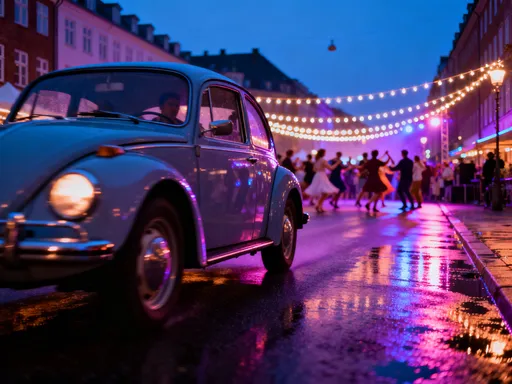
In Frederiksberg, a leafy residential area surrounded by parks and elegant townhouses, neighborhood block parties emerge during summer festivals. Residents string fairy lights between buildings, set up homemade stages, and share dishes from their own kitchens. These gatherings are informal, joyful, and deeply inclusive—exactly the kind of moment that defines hygge. Without a car, reaching Frederiksberg’s quieter corners requires a long walk from the nearest metro stop, discouraging casual exploration. With a vehicle, however, visitors can arrive just as a local choir begins singing or as children start a game of tag in the courtyard.
Another example is the series of open-air film screenings hosted in parks like Søndermarken or Utterslev Mose. During the summer months, these green spaces become outdoor cinemas, showing classic Danish films and international favorites under the stars. Families bring blankets, picnic baskets, and hot chocolate, creating a cozy atmosphere that extends late into the evening. Parking nearby allows visitors to arrive comfortably, set up their viewing spot, and leave without rushing—especially important when traveling with children or older relatives.
Artisan markets in suburbs like Valby and Brønshøj also flourish during festival season. These events showcase local crafts, organic foods, and handmade goods, offering a slower, more thoughtful alternative to crowded city-center bazaars. Many are held in schoolyards or community halls, spaces not typically served by public transit. Having a car makes it easy to browse, purchase unique souvenirs, and transport them safely back to accommodations.
These peripheral events are not lesser—they are different. They reflect a side of Copenhagen that values neighborhood bonds, sustainability, and authenticity over spectacle. By driving to these locations, travelers move beyond observation into participation. They become guests in a community celebration rather than spectators on the sidelines. This shift in perspective is subtle but profound, deepening the emotional resonance of the journey and fostering a genuine connection to the city and its people.
Festival Feasts on the Go: Where to Fuel Up
No festival experience is complete without tasting the local flavors, and Copenhagen’s mobile food culture thrives during its peak celebration months. From sizzling grills to artisanal kiosks, the city offers a dynamic array of dining options that are best enjoyed on the move—perfect for travelers navigating between events. A car not only provides access to these culinary hotspots but also turns mealtime into a flexible, stress-free part of the day.
Food trucks have become a staple of Copenhagen’s festival landscape, clustering near concert zones and public squares. During Distortion, for example, lines of brightly painted trucks line the streets of Vesterbro, serving everything from smørrebrød sliders to Korean-Danish fusion tacos. These mobile kitchens prioritize fresh, locally sourced ingredients, often with vegetarian and eco-friendly options clearly marked. Many accept card payments or mobile wallets, making transactions quick and convenient. With a car, visitors can pull up, order, and eat from the comfort of their vehicle or a nearby bench, avoiding long waits at crowded restaurants.
Pop-up outdoor bars are another highlight, especially along the harborfront during summer evenings. These temporary installations serve craft beers, organic wines, and non-alcoholic infusions made with Nordic herbs. Some, like those at Refshaleøen, offer seating on repurposed shipping containers or floating docks, creating a scenic backdrop for a mid-festival break. Drivers can park nearby, enjoy a drink, and continue their journey refreshed—always ensuring a designated driver or using short wait times to remain responsible.
Drive-through markets, though less common in Europe than in other regions, have emerged in response to festival demand. Locations like the weekend market at Amager Bio or temporary setups near Fælledparken allow visitors to purchase fresh produce, baked goods, and ready-to-eat meals without leaving their cars. These are especially valuable for families seeking quick, nutritious options between events. Many vendors emphasize sustainability, using compostable packaging and supporting local farmers—values that align with Copenhagen’s broader environmental goals.
For those traveling with children or older adults, having the ability to store snacks, drinks, and comfort items in the car is a game-changer. It eliminates the need to carry heavy bags or search for restrooms during long outings. A well-stocked vehicle becomes a personal oasis, supporting longer days of exploration without fatigue. Whether it’s a thermos of herbal tea, a box of Danish pastries from a morning market, or a reusable water bottle filled at a public fountain, these small comforts enhance the overall experience.
Practical Tips for Stress-Free Festival Driving
While self-driving offers unmatched flexibility, navigating a foreign city during peak events requires preparation. Understanding local regulations, traffic patterns, and festival logistics ensures a smooth and enjoyable journey. The key is to balance spontaneity with structure, allowing room for discovery while minimizing avoidable stress.
Parking in Copenhagen is regulated through a combination of street signs, digital displays, and mobile apps. During festivals, many central areas implement temporary restrictions, with certain zones reserved for residents or event staff. Using apps like Parkering i København or Parkmobile helps drivers locate available spots and pay remotely, reducing the risk of fines. It’s advisable to avoid parking directly in parade routes or near major stages unless staying for a short duration. Instead, opt for designated parking garages or park-and-walk areas on the edge of busy districts.
Traffic updates are essential, and while Google Maps is widely used, local tools like Rejseplanen and the Citymapper app integrate real-time data from Copenhagen’s transport authority. These platforms alert drivers to road closures, diversions, and public event impacts, allowing for timely rerouting. Checking festival maps in advance—often available on official city or event websites—also helps identify high-traffic zones and alternative access points.
Fuel stations are readily available throughout the city, particularly along major arteries like Amagerbrogade and Nordre Fasanvej. Many operate 24/7 and accept international credit cards, making refueling straightforward. For electric vehicle users, the city’s expanding network of charging points—including fast chargers at shopping centers and parking facilities—ensures reliable access. Planning refueling stops during midday breaks or overnight stays prevents last-minute searches during evening events.
Overnight parking safety is another consideration. While Copenhagen is generally safe, it’s wise to park in well-lit, monitored areas, especially when leaving the vehicle unattended. Hotels with secure parking, municipal garages, or residential zones with clear signage are preferable. Avoid leaving valuables visible in the car, and consider using GPS trackers for added peace of mind.
Finally, timing matters. Driving during early mornings or late evenings often avoids the worst congestion, allowing for scenic, relaxed routes. Many festival-goers arrive in the afternoon and stay into the night, so leaving accommodations before noon or returning after midnight can significantly reduce traffic stress. Combining driving with walking or cycling for the final leg—using bike racks or nearby trails—maximizes efficiency and enjoyment.
Why This Journey Stays With You
Long after the music fades and the city returns to its everyday rhythm, the memory of driving through Copenhagen’s festival season lingers. It’s not just the sights or sounds that endure, but the feeling of freedom—the sense of being fully present in a moment shaped by both personal choice and collective joy. Behind the wheel, with the city unfolding through the windshield, travelers experience Copenhagen not as a destination, but as a living story in motion.
This journey stays with you because it blends preparation with spontaneity, structure with serendipity. It’s the moment you turned down a side street and found a candlelit poetry reading in a churchyard. It’s the shared smile with a local vendor who handed you a free sample of homemade elderflower syrup. It’s the quiet drive home under a sky still tinged with twilight, the hum of the engine matching the beat of your contented heart.
Driving becomes more than transportation—it becomes a lens, a companion, a way of engaging with culture on your own terms. It allows you to move at your pace, pause where it matters, and connect with places that speak to you personally. In a world where travel often feels scripted or rushed, this kind of journey offers something rare: authenticity, agency, and emotional resonance.
Copenhagen’s festival soul is not confined to stages or schedules. It lives in the streets, the parks, the neighborhoods, and the quiet moments between events. By choosing to drive, you don’t just witness this soul—you become part of its rhythm. So pack your map, roll down the windows, and let the road guide you. The heart of the celebration is waiting, and it moves to the beat of your own journey.