You Won’t Believe What Bratislava’s Food Scene Just Did to Me
Bratislava used to fly under the radar, but its dining scene? Absolutely mind-blowing. I went in expecting typical Central European fare and left speechless by bold flavors, hidden courtyards, and meals that felt like home—only better. From unmarked wine cellars to modern twists on grandma’s recipes, this city serves up authenticity with a side of surprise. If you think you know Slovak food, think again. What I discovered was not just a menu of traditional dishes, but a living, breathing culinary revival—one that honors the past while confidently stepping into the future. In a world where so many cities serve the same globalized cuisine, Bratislava stands apart with honesty, heart, and a quiet pride that lingers long after the last bite.
The Unexpected Flavor of a Hidden Capital
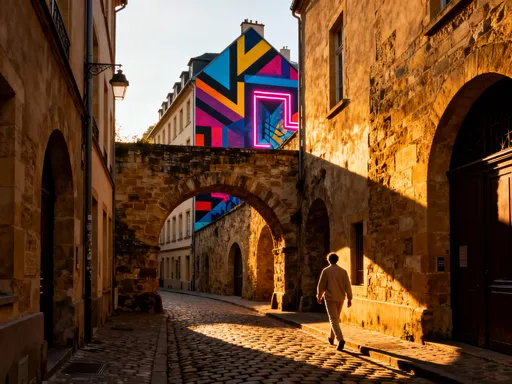
Bratislava is a city of quiet revelations. Nestled along the winding Danube River, where Austria, Hungary, and Slovakia converge, it carries the echoes of empires past—the Habsburg elegance of Vienna just a short train ride away, the spice-laden air of Budapest faintly perceptible on the wind. Yet Bratislava is no mere echo. It is a capital with its own rhythm, a place where cobblestone streets lead not to grand boulevards, but to unassuming doorways that open into candlelit cellars and family-run kitchens. For years, travelers passed through without stopping, treating it as a footnote on a Danube cruise or a day trip from Vienna. But those who linger now find something unexpected: a culinary renaissance unfolding in plain sight.
This transformation is not about reinvention for the sake of trendiness. Instead, it is a return—a reclamation of Slovak identity through food. The city’s dining culture reflects its complex history: Austro-Hungarian pastries meet rustic Carpathian stews, Czech-style beer halls share space with intimate wine bars pouring indigenous Slovak varietals. What emerges is a cuisine that refuses to be boxed in. It is hearty but not heavy, humble yet full of depth. The flavors are earthy and direct—smoked meats, tangy cheeses, slow-simmered soups—yet there is a growing sophistication in how they are presented. Chefs are not discarding tradition; they are polishing it, letting it shine with new clarity.
At the heart of this shift is a renewed respect for local ingredients. Small farms in the Little Carpathians now supply restaurants with heritage grains, free-range poultry, and wild-foraged mushrooms. Artisan dairies produce bryndza, the soft sheep cheese that defines Slovak comfort food, using methods unchanged for generations. Even urban gardens are taking root on rooftops and vacant lots, feeding a movement that values seasonality and sustainability. This is not farm-to-table as a marketing slogan—it is a return to how people used to eat, long before convenience took precedence over care. In Bratislava, food is no longer just fuel. It is memory, identity, and connection, served one plate at a time.
Why Dining in Bratislava Feels So Different
There is a stillness to dining in Bratislava that you rarely find in more tourist-heavy cities. Meals unfold at their own pace, guided not by the ticking of a clock but by the flow of conversation and the rhythm of the kitchen. You won’t be rushed to vacate your table the moment your plate is cleared. Instead, you might be offered a second cup of coffee, a slice of homemade plum cake, or a small glass of pálenka—a fruit brandy that arrives unannounced but always welcome. This is not service; it is hospitality. And it makes all the difference.
In many European capitals, dining has become a performance—chefs as celebrities, menus as cryptic poetry, and prices that demand reverence. Bratislava resists this. Here, food is not a spectacle. It is an act of care. You won’t find tasting menus with ten tiny courses or ingredients flown in from across the globe. What you will find is a bowl of steaming halušky placed before you with a simple, “This is how my mother made it.” The pride is quiet but unmistakable. There is no need to impress. The food speaks for itself.
I remember sitting in a small restaurant tucked behind St. Martin’s Cathedral, where the owner, a woman in her sixties with flour-dusted hands, brought me an extra portion of bread without being asked. “You look like you need it,” she said with a smile. When I asked about the soup—kapustnica, a rich sauerkraut and sausage stew traditionally eaten at Christmas—she paused, wiped her hands on her apron, and told me how her family made it every year, using a recipe passed down from her grandmother. The story was as nourishing as the meal. This is the essence of Bratislava’s dining culture: food as a bridge between people, not just a transaction.
Another evening, at a modest bistro in the Petržalka district, I watched a chef hand-roll potato dumplings behind a half-open kitchen door. When I complimented the dish, he stepped out, still in his apron, and explained that the potatoes came from his family’s garden just outside the city. “They taste better when you grow them yourself,” he said simply. No fanfare, no branding—just truth. In a world where authenticity is often manufactured, Bratislava offers the real thing. It doesn’t shout. It whispers. And if you listen, it changes the way you think about what food can be.
Where the Locals Actually Eat
If you want to experience Bratislava as it truly lives, step away from the main squares. Beyond the postcard-perfect Old Town, where souvenir shops and tourist menus dominate, lies a network of neighborhoods where daily life unfolds in real time. Vinohrady, once a quiet residential area, has become a hub of culinary energy. Narrow streets lined with pastel buildings hide bistros where locals gather for long lunches and late-night wine. The atmosphere is unpretentious—wooden tables, mismatched chairs, menus scribbled on chalkboards—but the food is deeply intentional.
One favorite among residents is a small wine bar with no sign, known only by word of mouth. Inside, the walls are lined with bottles of Slovak wine—Grüner Veltliner with crisp minerality, modrý port, a deep red made from the Frankovka grape, and rare white varietals like Lipovina. The owner, a former sommelier who left the fine-dining world to return home, pours tastings with quiet enthusiasm. “People used to think Slovak wine wasn’t good,” he said. “Now they’re surprised. We’ve always had the land. We just needed to believe in it.” The food here is simple: cured meats, pickled vegetables, fresh cheese with honey. But paired with the right wine, it becomes something extraordinary.
In Ružinov, a neighborhood often overlooked by visitors, family-run eateries serve meals that feel like invitations into someone’s home. One such place, a modest restaurant with checkered tablecloths and a wood-fired oven, is known for its roasted duck with sauerkraut and dumplings. The owner greets regulars by name, and children play quietly in a corner while parents sip beer and talk late into the evening. There is no need for flashy decor or social media appeal. The food, the warmth, the sense of belonging—these are the real attractions.
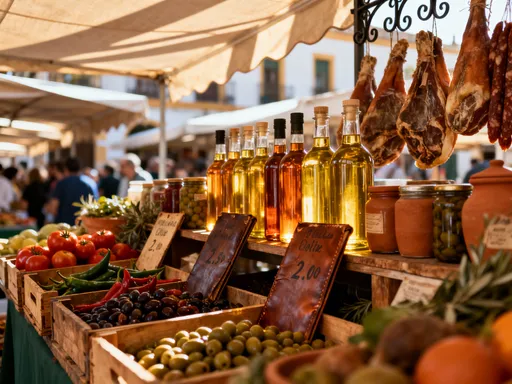
The rhythm of the city also reveals where to eat and when. Lunch, typically between 12:30 and 2:00 p.m., is the main meal of the day. By 3:00 p.m., many kitchens close until dinner. Weekends bring a different energy—early morning markets buzz with vendors selling fresh bread, homemade jams, and smoked cheeses. The most vibrant is the Mlynské Nivy market, where farmers from surrounding villages arrive before dawn. Locals come not just to shop, but to connect. A simple “Good morning” often turns into a five-minute conversation about the weather, the harvest, or a recipe. These are the moments that define Bratislava’s food culture: not the plated dish, but the human exchange that surrounds it.
Must-Try Dishes That Define the Culture
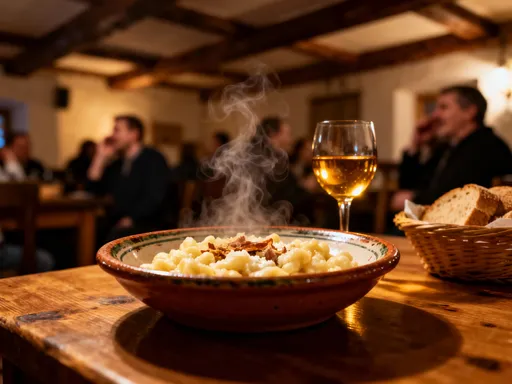
To understand Slovakia through food, start with bryndzové halušky. This national dish—small potato dumplings tossed with bryndza cheese and topped with fried bacon—is humble in appearance but profound in flavor. The dumplings are soft, almost pillowy, their mild starchiness a perfect foil for the tangy, creamy sheep cheese. The crispy bits of smoked bacon add a salty crunch that ties everything together. It is comfort food at its finest: warming, satisfying, deeply rooted in tradition. In mountain villages, it has been served for centuries after long days of herding sheep. Now, it appears on menus across Bratislava, from rustic taverns to modern reinterpretations.
Another essential is kapustnica, the sour cabbage soup that traditionally graces Christmas Eve tables. Made with sauerkraut, smoked sausage, dried mushrooms, and sometimes prunes, it is a dish of layers—sour, smoky, slightly sweet, deeply savory. Each family has its own version, passed down through generations. Some add extra paprika for heat; others stir in a spoonful of plum jam for depth. In Bratislava, you can find it year-round in traditional restaurants, often served with a dollop of sour cream and a slice of dark rye bread. One winter evening, I ate a bowl of it in a centuries-old wine cellar, the walls thick with history, the air warm from a wood stove. With each spoonful, I felt not just full, but connected—to the season, to the people, to the land.
Roasted duck with sauerkraut and dumplings is another staple, especially in colder months. The duck is slow-roasted until the skin is crisp and the meat falls easily from the bone. It is served over a bed of tangy sauerkraut that has been simmered with onions, apples, and caraway seeds, cutting through the richness of the meat. The dumplings—sometimes bread-based, sometimes potato—soak up the juices, making every bite complete. This is not a light meal. It is meant to sustain, to warm, to bring people together around a table.
And then there is the pálenka—fruit brandy distilled at home or in small batches. Plums, apricots, pears, even walnuts are fermented and distilled into clear, potent spirits that arrive at the end of a meal like a secret gift. They are not for the faint of heart, but they are a symbol of generosity. To be offered pálenka is to be welcomed. It is not sold in supermarkets but shared among friends, often from a glass bottle with no label. In Bratislava, these moments—of unexpected warmth, of food that tastes like memory—are not rare. They are the rule.
The Rise of Modern Slovak Cuisine
A new generation of chefs is reshaping Slovak cuisine, not by abandoning tradition, but by reinterpreting it with fresh eyes. These are not foreign-trained chefs importing global trends. They are locals—many of them Slovak-born—who left to study abroad and returned with a mission: to show the world what their country’s food can be. Their restaurants are not flashy. They favor minimalist decor, open kitchens, and menus that change weekly based on what is fresh and available. What sets them apart is their respect for ingredients and their desire to tell a story through food.
One such restaurant, located in a renovated warehouse near the river, has gained a quiet reputation for its seasonal tasting menu. One night, it might feature venison from the Carpathians, slow-cooked and served with pickled elderberries and roasted root vegetables. Another night, it could be a delicate tart of wild mushrooms foraged from the forests outside the city, paired with a foam of sheep’s milk yogurt. The presentation is elegant but never fussy. The focus is always on flavor, on texture, on the essence of the ingredient.
What is remarkable is how these chefs honor tradition even as they innovate. A modern take on halušky might include truffle oil or aged bryndza, but the dumplings are still made by hand, the cheese still sourced from a small dairy in central Slovakia. A deconstructed kapustnica might appear as a layered terrine, but the sauerkraut is still fermented the old way, the sausage still smoked over beechwood. This is not fusion for the sake of novelty. It is evolution—thoughtful, deliberate, deeply rooted.
These chefs are also reclaiming ingredients that were once overlooked. Heritage grains like spelt and emmer are making a comeback, used in breads and porridges. Forgotten vegetables—kohlrabi, salsify, Jerusalem artichokes—are appearing on plates. Even traditional dairy products, like tvaroh (a fresh farmer’s cheese), are being elevated in desserts and savory dishes alike. This movement is not about chasing Michelin stars. It is about pride. It is about saying: this is who we are, and our food matters.
Practical Tips for the Savvy Food Traveler
For those planning a visit, timing can make all the difference. Late September through October is an ideal window, when the autumn harvest brings food festivals, wine tastings, and open-air markets. The Bratislava Wine Festival, held in the historic cellars of the Old Town, offers a chance to sample dozens of Slovak wines alongside local cheeses and charcuterie. Smaller events in nearby villages celebrate everything from apple pressing to honey harvesting. These are not tourist shows. They are community gatherings, open to all.
When choosing where to eat, look for signs of authenticity. A menu written only in Slovak is often a good indicator. So is a lack of photos on display or prices listed in euros outside the door. Restaurants that rely on locals rather than tourists tend to have handwritten menus, daily specials scrawled on a board, and staff who greet you warmly but don’t hover. Avoid places with pushy touts or oversized English menus featuring “international cuisine.” The best meals are often found in unmarked doorways or up narrow staircases.
Pairing food with drink enhances the experience. Slovak wine, once underestimated, is now among the most exciting in Central Europe. White wines, especially, shine—Grüner Veltliner, Chardonnay, and the aromatic Furmint. For beer lovers, local craft breweries are gaining ground, offering crisp lagers and inventive seasonal brews. And don’t skip the non-alcoholic options: herbal teas made from mountain herbs, fresh fruit juices, and kyselica, a fermented sour drink similar to kefir, are both refreshing and digestive.
Bratislava is a walkable city. The center is compact, and neighborhoods like Vinohrady and Ružinov are easily reached on foot or by bike. Walking between meals allows you to stumble upon hidden gems—a bakery with flaky, apricot-filled pastries, a coffee shop roasting beans in-house, a small shop selling handmade noodles. Let curiosity guide you. Turn down a side street. Peek through an open door. The city rewards the curious.
How Bratislava Changes the Way You Think About Food
Leaving Bratislava, I realized something: the most memorable meals were not the fanciest. They were not served on designer plates or accompanied by sommelier lectures. They were the quiet moments—the shared bread, the unexpected pálenka, the story behind the soup. What stayed with me was not just the taste, but the feeling. A sense of being seen, of being welcomed, of being part of something real.
In a world where dining has become increasingly performative, Bratislava offers a different model. It reminds us that food is not just about flavor or presentation. It is about connection. It is about the hands that grow it, the people who cook it, the stories it carries. It is about slowing down, sitting longer, listening more. This city does not shout its greatness. It lives it, quietly, day after day.
Bratislava changes you because it asks you to be present. It does not dazzle with spectacle. It invites you in. It feeds you—not just your body, but your spirit. And in doing so, it redefines what it means to eat well. Come hungry, yes. But come open. Come ready to listen. Let the flavors speak. Let the city surprise you. Because sometimes, the most unforgettable journeys begin not with a destination, but with a single bite.