You Won’t Believe What I Saw from Chicago’s Best Hidden Viewpoints
Have you ever stood somewhere and felt like the entire city was breathing beneath you? That’s exactly what happened when I explored Chicago’s most unforgettable vantage points. From quiet rooftop escapes to secret lakeside spots, the skyline transforms depending on when and where you look. This isn’t just about sightseeing—it’s about experiencing the pulse of the city through its views. The way light dances across glass towers at dusk, how the river bends like a ribbon beneath bridges, or the sudden hush that falls when you’re high above Michigan Avenue—these moments stay with you long after you leave. Let me take you on a journey where elevation meets emotion, and where the ordinary becomes extraordinary simply by shifting your perspective.
Why Viewing Experiences Define a City Trip
Travel is often measured in steps taken, museums visited, or meals enjoyed—but some of the most profound travel memories are born not from activity, but from stillness. Standing at a quiet overlook, watching the city unfold below, can leave a deeper imprint than any guided tour. In Chicago, where the skyline rises with bold confidence from the shores of Lake Michigan, the act of viewing becomes a form of connection. It’s not just about seeing the buildings; it’s about understanding the rhythm of a place through its silhouette, its light, and its movement. This kind of visual immersion allows travelers to internalize a city’s character in a way that checklists cannot replicate.
Psychologists have long noted the emotional impact of height and perspective. Being elevated—whether on a rooftop, a bridge, or a hill—can shift not only our physical viewpoint but also our mental state. From above, the chaos of urban life softens into patterns: traffic flows like currents, people become dots in a larger design, and the noise recedes into a distant hum. This sense of overview often brings clarity, even peace. In Chicago, where the grid system creates long, straight sightlines, the effect is amplified. Looking down Michigan Avenue during golden hour, for instance, feels less like observing a street and more like witnessing a living timeline stretching toward the horizon.
Memorable travel moments are rarely about ticking off landmarks. They emerge in unexpected pauses—when you stop to watch steam rise from a sidewalk grate, or when you catch the reflection of the John Hancock Center in a puddle after rain. These are the instances that shape our mental map of a destination. In Chicago, the skyline acts as both anchor and inspiration. Whether glimpsed from a park bench, a riverfront path, or a high-floor café, it reminds visitors that they are in a city built on innovation and resilience. The experience of viewing, therefore, is not passive. It’s an act of engagement—one that invites reflection, wonder, and a deeper appreciation for the places we visit.
Chicago’s Skyline: A Visual Symphony
Chicago’s skyline is more than a collection of tall buildings; it’s a visual narrative written in steel, glass, and stone. From the neoclassical crown of the Chicago Board of Trade to the sleek, tapering form of the Vista Tower, each structure tells a story of ambition, engineering, and design evolution. What sets Chicago apart is its architectural continuity—new towers don’t erase the old; they respond to them. The city’s skyline is a dialogue across decades, where Art Deco spires stand shoulder to shoulder with contemporary glass giants, creating a skyline that feels both historic and forward-looking.
The Chicago River plays a crucial role in this visual harmony. Its winding path cuts through the downtown core, reflecting the city’s verticality in shimmering ribbons of light. Bridges, painted in signature Chicago red, arch over the water like gateways, their movements choreographed by maritime traffic. At night, the river becomes a glowing corridor, illuminated by building facades and the soft glow of riverside pathways. The interplay between water and architecture enhances the sense of depth, making the skyline feel dynamic rather than static.
Light is another essential player in Chicago’s visual symphony. During the day, sunlight bounces off glass surfaces, creating flashes of brilliance that shift with the sun’s position. In winter, when snow covers the ground, the city takes on a crystalline quality, with buildings appearing to float above a white canvas. At sunset, the western facades of skyscrapers catch fire with warm tones, while the eastern sides fade into shadow. This daily transformation reminds viewers that the skyline is never the same twice. Even iconic structures like the Willis Tower and Trump International Hotel and Tower serve different roles depending on the time of day—sometimes dominant, sometimes subtle, always changing.
The Magic of Timing: When Light Transforms the City
If architecture is the skeleton of Chicago’s beauty, light is its soul. The city’s visual impact shifts dramatically depending on the hour, making timing a critical factor in any viewing experience. The golden hour—shortly after sunrise and before sunset—casts a warm, diffused glow that softens edges and enhances depth. During this time, the skyline appears almost painterly, with long shadows stretching across streets and buildings glowing with amber hues. For photographers and casual observers alike, this is when the city feels most alive, most human.
Just as compelling is the blue hour, the brief window after sunset when the sky turns a deep indigo and artificial lights begin to dominate. In Chicago, this transition is particularly striking. As streetlights flicker on and office windows light up like constellations, the city undergoes a quiet metamorphosis. The contrast between the darkening sky and the brightening skyline creates a sense of intimacy, even in such a vast urban environment. The Chicago River, now reflecting strings of light, becomes a mirror of the city’s energy.
Nighttime offers its own spectacle. Chicago is not as brightly lit as some global cities, but its illumination is more thoughtful. Landmarks like the Wrigley Building and the Tribune Tower are spotlighted with care, emphasizing their architectural details rather than overwhelming them. The Willis Tower’s top floors glow in rotating colors, sometimes marking holidays or causes, adding a layer of civic expression to the skyline. For those seeking the full effect, arriving 30 minutes before sunset allows them to witness the entire transformation—from daylight to dusk to full night—within a single vantage point.
Travelers can enhance their experience by planning around these lighting patterns. For instance, facing east in the morning offers the best views of sunlit facades along the lakefront, while west-facing spots shine in the late afternoon. Certain streets, like State Street and Michigan Avenue, align perfectly with the setting sun during specific times of year, creating dramatic light tunnels. By understanding these natural rhythms, visitors can time their viewing moments for maximum impact, turning a simple look into a lasting memory.
Top Public Viewing Spots with Breathtaking Perspectives
For those seeking accessible and unforgettable views, Chicago offers several public spaces where elevation, design, and atmosphere converge. Maggie Daley Park, located just east of Millennium Park, is one such gem. Its elevated walkways and sculptural bridges provide sweeping views of the skyline, particularly toward the northeast. From the park’s eastern edge, the Willis Tower rises in the distance, framed by the greenery of the park and the shimmering expanse of Lake Michigan. Families, couples, and solo travelers alike gather here not just to look, but to linger—on benches, in the climbing garden, or near the skating ribbon in winter.
The Chicago Riverwalk is another premier destination for skyline immersion. Stretching along the south bank of the main branch of the river, it offers a ground-level yet intimate perspective on the city’s architectural grandeur. As you walk beneath towering buildings, their reflections ripple in the water with every passing boat. The Riverwalk is divided into distinct sections—market, arcade, and civic—each with its own character and seating areas. In the evening, string lights overhead and the soft hum of conversation from nearby cafés create a relaxed, almost European ambiance. It’s a place where you can feel surrounded by the city without being overwhelmed by it.
Millennium Park’s Lurie Garden, though primarily known for its horticulture, also offers a surprisingly powerful view. Positioned on the park’s southern edge, the garden’s raised boardwalk looks directly west toward the Loop. In spring and summer, blooming perennials and grasses frame the skyline like a living painting. The contrast between natural softness and urban hardness is striking, reminding visitors that beauty exists in juxtaposition. Unlike more crowded spots, Lurie Garden invites quiet contemplation. It’s not unusual to find someone sitting on a bench here, simply watching the light change on the buildings as the day unfolds.
Each of these locations offers more than just a view—they provide a sensory experience. The sound of wind through trees in Maggie Daley Park, the lapping of water against the Riverwalk’s stone edges, the scent of damp earth and flowers in Lurie Garden—all contribute to a deeper connection with the city. For travelers, the key is not just to see these places, but to be present in them. Arriving early in the morning or later in the evening helps avoid crowds, allowing for a more personal and reflective experience.
Off-the-Beaten-Path Vantage Points Only Locals Know
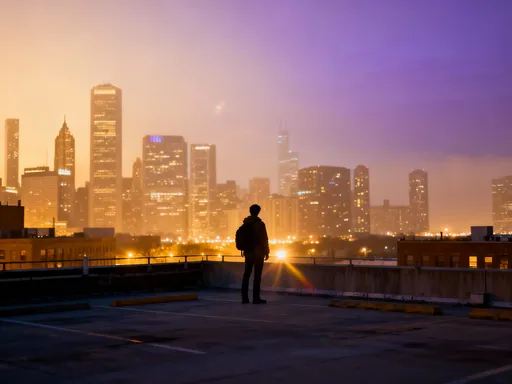
Beyond the postcard-perfect spots, Chicago holds quieter, lesser-known vantage points that offer equally powerful perspectives. These are the places where locals go when they want to escape the tourist flow but still feel connected to the city’s energy. One such location is a quiet overpass near Grant Park, accessible via a pedestrian ramp often overlooked by visitors. From this elevated position, the skyline unfolds in a wide arc, with the lake on one side and the Loop on the other. In the early morning, when fog rolls in from the water, the buildings appear to float, creating a dreamlike scene that feels worlds away from the busy streets below.
Another hidden gem is a section of the lakefront trail that rises slightly as it passes near a public garden. This subtle elevation, often unnoticed, provides a panoramic eastward view across Lake Michigan. On clear days, the horizon seems infinite, and the sound of waves mingles with the distant hum of the city. Cyclists and joggers pass by, but few stop to take in the full sweep of the scene. For those willing to pause, the reward is a sense of solitude and expansiveness—a rare combination in an urban setting.
There are also residential neighborhoods just north and south of downtown where streets climb gently, offering unobstructed eastward views. From certain intersections, especially on quiet side streets, the skyline emerges between houses and trees, framed like a carefully composed photograph. These spots are not marked on maps or listed in guidebooks, but they are real and accessible. They require no admission fee, no reservation—just curiosity and a willingness to wander.
What makes these off-the-beaten-path locations special is not just their views, but their atmosphere. Without crowds or commercial distractions, they allow for a more personal connection with the city. You’re not just observing Chicago—you’re experiencing it on its own terms. The absence of signage or structured pathways means the moment feels unscripted, authentic. For travelers seeking depth over convenience, these quiet corners offer some of the most memorable viewing experiences in the city.
Rooftop Experiences: Where Elegance Meets Elevation
In recent years, Chicago has embraced the rooftop renaissance, transforming high-altitude spaces into destinations in their own right. These venues go beyond mere observation decks—they blend design, hospitality, and atmosphere to create immersive experiences. Cindy’s, perched atop the Chicago Athletic Association Hotel, is a prime example. With its rustic-chic furnishings, fire pits, and unobstructed southward view of Millennium Park and the Art Institute, it feels both luxurious and approachable. Whether enjoying a craft cocktail at sunset or warming up with hot chocolate in winter, guests are treated to a dynamic view that changes with the seasons.
The Skydeck at Willis Tower remains one of the city’s most iconic elevated experiences. Its glass boxes, extending 4.3 feet outside the 103rd floor, offer a heart-pounding perspective 1,353 feet above the street. While the height alone is a draw, the real value lies in the clarity of vision—the ability to see up to four states on a clear day. The experience is carefully curated, with interactive displays and timed entry to manage flow. For families and first-time visitors, it’s a must-see, offering a literal and figurative overview of Chicago’s scale and reach.
Other rooftop bars, such as those on the 15th floor of the Virgin Hotel or the 22nd floor of the LondonHouse, provide more intimate settings. These spaces emphasize comfort and ambiance, with plush seating, curated music, and menus designed for leisurely enjoyment. The views here are just as impressive, but the mood is more relaxed. You’re not just looking at the city—you’re part of its evening rhythm. The lighting of the bridges, the slow blink of skyscraper windows, the distant glow of O’Hare’s runway lights—all become part of a quiet urban symphony.
What sets these rooftop experiences apart is their ability to elevate the act of viewing into something ceremonial. It’s not just about height; it’s about intention. Whether you’re celebrating a milestone, sharing a quiet moment with a friend, or simply treating yourself to a new perspective, these spaces invite mindfulness. They remind us that seeing a city from above is not just a visual treat—it’s a way of understanding it more fully.
How to Plan Your Own Visual Journey Through Chicago
Creating a meaningful viewing experience in Chicago doesn’t require a rigid itinerary, but a little planning can greatly enhance the journey. Start by considering the time of day. Morning visits to east-facing spots like the lakefront or Maggie Daley Park offer soft light and fewer crowds. Midday is ideal for indoor observation decks like the Skydeck, where weather won’t interfere. Late afternoon and evening, however, are prime times for most outdoor locations, especially those with westward views.
Mapping a walkable route that connects multiple viewpoints can turn a simple sightseeing trip into a cohesive narrative. Begin at Millennium Park, stroll through Lurie Garden, continue to the Riverwalk, and end at a rooftop bar like Cindy’s. This progression allows you to experience the city at different levels—ground, water, and sky—while covering manageable distances on foot. Public transit, including the CTA buses and ‘L’ trains, makes it easy to reach more distant spots like the northern lakefront or southern neighborhoods with elevated views.
Packing a few essentials can improve comfort and flexibility. Bring a light jacket—Chicago’s winds can be brisk, even in summer. A reusable water bottle and comfortable shoes are musts for any urban exploration. If you enjoy photography, a small tripod or phone stabilizer can help capture long-exposure shots during blue hour. But perhaps the most important item is patience. Allow time to sit, to wait for the light to shift, to let the city reveal itself at its own pace.
Mindfulness should be the guiding principle. Instead of rushing from one spot to the next, choose a few key locations and spend real time in them. Notice the details: how the wind moves through the trees, how the light reflects off a passing car, how the skyline changes as clouds drift by. These small observations accumulate into a richer, more personal understanding of the city. A visual journey is not about collecting views—it’s about cultivating presence.
Conclusion: Seeing a City, Feeling Its Soul
Chicago is more than a destination; it’s a living canvas, constantly reshaped by light, weather, and time. Its skyline, reflected in the river, framed by parks, or seen from a quiet overpass, is not just a collection of buildings—it’s a mirror of human ambition and creativity. The most powerful travel experiences don’t come from checking off attractions, but from moments of awe, stillness, and connection. When you stand at a hidden viewpoint and feel the city breathe beneath you, you’re not just seeing Chicago—you’re feeling its soul.
Every traveler has the opportunity to seek these moments. They don’t require special access or expensive tickets—just curiosity, awareness, and a willingness to look up, out, and beyond the obvious. Whether from a bustling park, a quiet trail, or a glowing rooftop, the view is always more than scenery. It’s an invitation to slow down, to reflect, and to let the city speak. So the next time you’re in Chicago, don’t just visit. Pause. Breathe. And let the skyline tell its story—one glance at a time.