What Amsterdam’s Food Scene Reveals from the Top Bridges
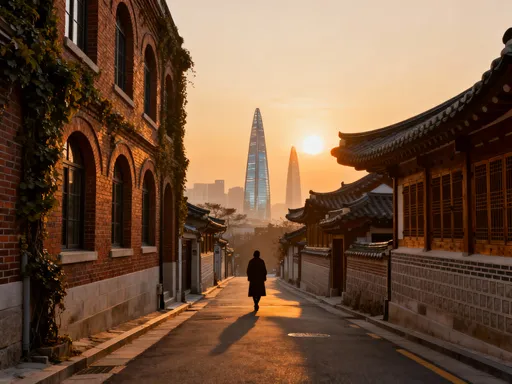
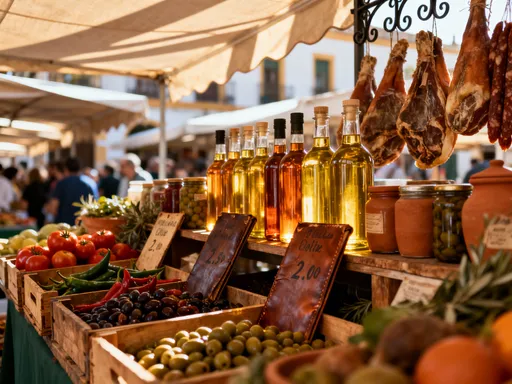
You know that feeling when a city surprises you not just with its views, but with the smell of fresh stroopwafels drifting through the air? Amsterdam did exactly that to me. Beyond the canals and bikes, it’s the local flavors—seen from the city’s most iconic viewpoints—that tell a richer story. This isn’t just about food; it’s about how taste and perspective blend when you're standing high above the water, watching life unfold below. From the golden light of morning bakeries to the twilight hum of outdoor markets, Amsterdam reveals its culinary soul not only on the plate but in the rhythm of daily life visible from above. This journey explores how elevated views deepen our understanding of food culture, transforming simple observation into meaningful connection.
The Overlooked Connection Between Viewpoints and Food Culture
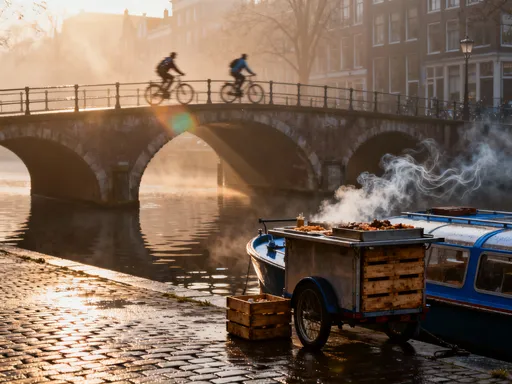
Amsterdam’s bridges, elevated walkways, and rooftop terraces do more than offer panoramic photo opportunities—they provide a silent narrative of the city’s relationship with food. When viewed from above, the rhythm of daily nourishment becomes visible: the early arrival of delivery bikes laden with fresh bread, the orderly setup of market stalls at Albert Cuyp, or the slow drift of food-serving canal boats along the Prinsengracht. These moments, often missed at street level, reveal how deeply food is interwoven with movement, routine, and community. Observing from a distance allows travelers to see patterns—when bakeries open, how lunch crowds form, where locals gather for evening snacks—giving insight into the city’s culinary heartbeat.
Why does this elevated perspective matter? Because food is not just consumed; it is prepared, transported, and shared in ways that reflect local values. Watching a fishmonger unload the morning’s catch at the Nieuwmarkt from a nearby balcony, or seeing families collect warm poffertjes before a weekend stroll through Vondelpark, shows how eating is part of Amsterdam’s daily choreography. The city’s flat landscape makes vertical viewpoints rare but powerful—each climb offers a broader understanding of how people live, work, and eat. These observations deepen cultural appreciation, turning a simple meal into a moment of connection with place and people.
One real example is the view from the upper floors of De Hallen, a converted tram depot in Oud-West. From its glass-walled corridors, visitors can look down on the Foodhallen, an indoor market buzzing with activity. Seeing the flow of diners, the steam rising from dumpling stalls, and the careful plating at small counters offers insight into how modern Amsterdam blends tradition with innovation. It’s not just about what people are eating—it’s about how they choose to eat it, where, and with whom. This kind of observation enriches travel, transforming passive sightseeing into active cultural learning.
Iconic Vantage Points That Frame Culinary Life
Amsterdam offers several accessible elevated spots where food-related activity unfolds beneath like a living diorama. One of the most striking is the viewing deck of the A’DAM Tower, located just across the IJ River from Central Station. From 100 meters above ground, the city spreads out in all directions, and with careful attention, food rhythms come into focus. Early in the morning, you can see delivery vans pulling up to restaurants in the city center, their drivers unloading crates of vegetables and dairy. By midday, crowds gather around food trucks near Elandsgracht, their movements visible from above like small schools of fish circling a reef.
The sensory experience from this height is subtle but real. Though you can’t smell the roasting coffee or hear the sizzle of onions on a houtkoolgrill (charcoal grill), the visual cues tell the story: the steam from a pancake boat moored near Westerkerk, the colorful awnings of market stalls at Ten Katemarkt, the steady stream of cyclists carrying grocery bags from the Albert Cuyp. These details, seen from above, create a mosaic of daily nourishment. The A’DAM Tower’s rotating restaurant, Mr. Cannibale, also offers a slower, more immersive way to observe the city while dining—though the focus here is not on luxury, but on continuity, as the landscape turns beneath you.
Another powerful vantage point is the elevated walkway near Amsterdam Central Station, connecting the main terminal to the IJ ferries. From this pedestrian bridge, travelers can look down on the station’s outdoor market, where vendors set up daily with fresh fruit, stroopwafels, and herring stands. The timing is key: between 7:00 and 9:00 a.m., the market comes alive with commuters grabbing breakfast on the go. Watching this from above reveals not just what people eat, but how they fit food into their routines—quick bites, shared pastries, coffee in paper cups. It’s a lesson in efficiency and pleasure coexisting, a hallmark of Dutch urban life.
Even the upper floors of certain tram lines offer unexpected views. Tram 2, which crosses the Magere Brug (Skinny Bridge), provides a fleeting but vivid panorama of canal-side dining in the evenings. As the tram pauses mid-span, passengers can see families and couples gathered at outdoor tables, candles flickering in glass jars, plates of bitterballen and fries passed hand to hand. These brief moments, seen from a moving vehicle, remind us that food is not confined to restaurants—it spills into public space, becoming part of the city’s shared experience.
Hidden Perspectives: Where Locals Eat, Watched from Above
Beyond the well-known landmarks, Amsterdam’s quieter footbridges and park edges offer some of the most authentic glimpses into local food culture. The wooden footbridge near Noordermarkt in the Jordaan, for example, rises just high enough to overlook the Sunday organic market and the surrounding cafés. From here, you can see residents stepping out of their homes with cloth bags, pausing at cheese stalls, or sitting on low walls with warm krentenbollen (cinnamon buns) in hand. There’s no rush, no performance—just the quiet rhythm of neighborhood life centered around food.
This kind of observation is not about spectacle, but about presence. At Sarphatipark, a slightly elevated path runs along the eastern edge, offering a view of picnics unfolding on the grass. Parents unpack cloth-wrapped sandwiches, teenagers share bags of fries, and older couples sip tea from thermoses. The food is simple, homemade, unphotographed—yet deeply meaningful. Seeing these moments from above creates a sense of intimacy without intrusion, allowing travelers to witness real life without disrupting it. It’s a reminder that food is not always an event; often, it’s just part of being together.
Another overlooked spot is the small bridge near the entrance to the Westergasfabriek cultural park. On weekends, this area buzzes with activity as families head to the farmers’ market or stop by the outdoor café for apple pie and whipped cream. From the bridge, you can see the flow of people, the way children run ahead to the snack counter, the way friends linger over refills of coffee. The food here is not exotic—it’s apple stroop, Dutch pancakes, freshly baked bread—but its role in connection is universal. Observing from above, you begin to see how food functions as a quiet anchor in daily life, a way of marking time and strengthening bonds.
These hidden viewpoints matter because they reveal what tourism often overlooks: the ordinary moments that define a city. They show that Amsterdam’s food culture isn’t just about what’s on the menu at Michelin-starred restaurants, but about how people eat at home, in parks, on bikes, and in shared spaces. By stepping back—literally and figuratively—travelers gain a deeper appreciation for the simplicity, care, and routine that shape local eating habits.
Timing Matters: When to Climb for the Best Food Views
To truly see Amsterdam’s food culture from above, timing is essential. The city transforms throughout the day, and each hour brings a new rhythm of preparation, service, and gathering. Early morning, between 6:00 and 8:00 a.m., is when the city’s culinary machinery comes to life. This is the time to visit elevated spots overlooking markets like Albert Cuyp or Noordermarkt, where vendors arrive with crates of vegetables, wheels of cheese, and trays of fresh herring. From a rooftop or bridge, you can watch the careful setup of stalls, the steaming kettles for coffee, the first customers arriving with reusable containers.
Midday, from 12:00 to 2:00 p.m., shifts the focus to consumption. This is when office workers flood the streets, forming lines at sandwich shops, falafel stands, and soup bars. A great vantage point during this time is the upper level of the Beurs van Berlage building, which overlooks Damrak and parts of the Red Light District. From here, you can see the flow of people moving between work and lunch, many carrying paper-wrapped meals back to their desks. The pace is brisk, the choices practical—smoked salmon on rye, pea soup in takeaway cups, apple pie in small cardboard boxes. Observing this from above highlights how food fits into the structure of the workday, efficient yet still pleasurable.
Evening, particularly between 6:00 and 8:00 p.m., brings a softer, more social energy. This is when canal-side dining comes alive. Elevated spots like the bridge near the Amstel Hotel or the footpath along the Herengracht offer views of candlelit tables, wine bottles shared between friends, and children dipping bread into shared bowls of sauce. The pace slows, the laughter rises, and food becomes celebration. It’s also the time when food boats—small vessels serving drinks and snacks—begin their evening routes, their lights reflecting on the water like floating stars.
Weekends add another layer. Sunday mornings at the Noordermarkt, for example, are ideal for observation from the nearby footbridge. Between 9:00 and 11:00 a.m., the market reaches its peak, with families browsing organic produce, pausing at stroopwafel stands, and gathering at outdoor tables with coffee. The mood is relaxed, unhurried—a contrast to the weekday rush. By aligning your viewpoint visits with these natural rhythms, you gain not just visual richness, but cultural insight into how Amsterdamers live through food.
From Observation to Experience: Turning Views into Tastes
Seeing food from above is only the beginning. The true reward comes when observation leads to participation. From a bridge, you might spot a small market stall with a long line—perhaps a herring vendor with a red awning, or a pancake boat with steam rising from its kitchen window. That visual cue can become an invitation to descend and taste. This transition—from watcher to participant—deepens the travel experience, turning curiosity into connection.
One way to make this shift is to use elevated views as a kind of culinary scouting mission. From the A’DAM Tower, you might notice a particular food truck drawing a consistent crowd. Later, you can visit it directly, perhaps asking the vendor what makes their kibbeling (fried fish bites) so popular. These small conversations, sparked by observation, often lead to memorable exchanges. Vendors appreciate genuine interest, and many are happy to share stories about their ingredients, traditions, or daily routines.
Another way to engage is through imitation. If you see a family spreading a cloth on the grass in Vondelpark with a basket of bread, cheese, and fruit, you can follow their example. Buy similar items from a local market, find a quiet spot, and enjoy a picnic of your own. This kind of mindful imitation fosters connection, allowing you to experience the city not as a spectator, but as a temporary participant in its rhythms. It’s not about copying, but about joining—a quiet way to honor local customs.
The key is to move gently, without disrupting the flow. You don’t need to photograph every meal or announce your presence. Sometimes, the most meaningful experiences come from simply sitting at a canal-side table, ordering what others are eating, and letting the moment unfold. By starting with observation from above, you gain context—knowing when and where to go, what to look for, how to engage respectfully. This thoughtful approach leads to richer, more authentic experiences.
Photography and Mindful Viewing: Capturing Flavor Without Intrusion
Photography is a natural part of travel, especially from elevated viewpoints. But when capturing food scenes from above, it’s important to do so with respect. The goal is not to zoom in on individuals, but to frame food within its environment—market stalls against a backdrop of canals, delivery bikes on cobblestone streets, families sharing meals in parks. These wider shots preserve the dignity of those involved while still conveying the essence of the moment.
Mindful viewing goes beyond the camera. It means taking time to simply watch, to notice the details: the way a baker folds dough at dawn, the rhythm of a fish fillet being prepared, the laughter around a shared plate of fries. These moments, when absorbed quietly, can be as satisfying as eating the food itself. They create memory not through images, but through presence. Slowing down allows you to appreciate not just what is being eaten, but why it matters—how food brings people together, marks time, and sustains life.
There is also value in restraint. Not every moment needs to be documented. Sometimes, the most powerful memories are the ones held in the mind: the smell of cinnamon from a passing bike basket, the sound of a coffee cup being set down on a stone ledge, the sight of an elderly couple dividing a stroopwafel with care. These fleeting impressions, gathered from above, become part of your inner landscape, shaping how you remember Amsterdam not just as a place, but as a feeling.
By practicing mindful observation, travelers honor both the city and themselves. They avoid the trap of constant capture and instead cultivate awareness. This approach leads to deeper connection, not only with Amsterdam’s food culture but with the act of traveling itself. It reminds us that understanding a place often begins not with action, but with stillness.
Why This Perspective Changes How You Travel
Viewing Amsterdam’s food culture from above does more than provide scenic photos—it changes the way we travel. It shifts the focus from consumption to comprehension, from ticking off attractions to understanding rhythms. When you see a bakery’s first delivery at sunrise, or watch a family gather for a canal-side dinner at dusk, you begin to grasp the soul of the city. Food, in this light, is not just sustenance; it is a language, spoken through routine, shared through gesture, and felt in the quiet moments between bites.
This elevated perspective teaches patience, observation, and respect. It encourages travelers to slow down, to look beyond the obvious, and to find meaning in the everyday. It reveals that Amsterdam’s charm lies not only in its famous pancakes or herring, but in how these foods are woven into the fabric of life—delivered by bike, shared in parks, enjoyed on boats. The bridges, rooftops, and walkways become more than viewpoints; they become classrooms, offering lessons in culture, community, and connection.
In the end, this way of seeing invites a different kind of journey—one where understanding grows not from how much you eat, but from how deeply you observe. It challenges us to seek not just the taste of a place, but its tempo, its habits, its heart. So the next time you visit a city, consider climbing a little higher. Look down not with distance, but with curiosity. You might just discover that the most flavorful moments are the ones you see before you even take a bite.