You Won’t Believe What New York’s Art Scene Is Hiding
New York isn’t just skyscrapers and subways—its soul lives in the art tucked around every corner. From subway mosaics to gallery nights in Brooklyn, I’ve spent years exploring how culture pulses through this city. What I found wasn’t just museums and murals—it was a living, breathing creative energy. This guide shares real spots, real moments, and the kind of hidden gems only locals usually know. Let’s dive into the art and culture that make New York unforgettable.
The Heartbeat of Culture: Why Art Defines New York
New York City has long been more than a global financial center—it is a cultural epicenter where art is not an accessory, but a necessity. The city’s identity has been shaped and reshaped by waves of artistic expression, each reflecting the spirit of its time. From the Harlem Renaissance of the 1920s, which redefined African American literature, music, and visual art, to the graffiti movements of the 1970s that transformed subway cars into moving canvases, New York has consistently given space to voices that challenge, inspire, and innovate. Art here is not confined to galleries; it thrives in community centers, on fire escapes, in bodegas, and during block parties. It is a reflection of resilience, diversity, and the relentless drive to create.
What makes New York’s art scene so powerful is its accessibility and inclusivity. Unlike cities where high culture is reserved for the elite, New York’s creative energy spills into the streets and invites participation. A child in the Bronx can attend a free jazz concert in the park, a teenager in Queens can learn mural painting from a local artist, and a retiree in Brooklyn can join a poetry workshop at the library. These experiences are not luxuries—they are part of the city’s social fabric. Art becomes a tool for connection, healing, and civic pride. It helps neighborhoods preserve their heritage while embracing change, and it allows residents to assert their identity in a rapidly evolving urban landscape.
For visitors, engaging with this culture is the key to understanding New York beyond the postcard views. Touring the Empire State Building or snapping photos at Times Square offers spectacle, but it doesn’t reveal the city’s soul. That soul is found in a Haitian drum circle in Prospect Park, a Yiddish theater performance in the Lower East Side, or a mural in East Harlem that tells the story of migration and hope. To experience New York fully is to witness how art functions as both mirror and engine—reflecting who the city is and driving it toward what it can become. When travelers prioritize cultural immersion, they don’t just see the city—they feel it.
Museums That Move You: More Than Just Masterpieces
No exploration of New York’s art scene is complete without a visit to its world-renowned museums, each offering not just collections, but experiences. The Metropolitan Museum of Art, affectionately known as the Met, stands as a temple of human creativity. With over two million works spanning 5,000 years, it is one of the largest and most comprehensive art museums in the world. From Egyptian temples to European paintings, from Asian armor to American fashion, the Met offers a global journey through time and imagination. What sets it apart is not just the scale, but the care with which exhibits are curated to tell stories. A single gallery might juxtapose a Renaissance portrait with a contemporary photograph, inviting reflection on how identity is constructed across centuries.
Equally powerful is the Museum of Modern Art, or MoMA, located in Midtown Manhattan. MoMA is where modernity comes alive—where visitors encounter Van Gogh’s Starry Night, Warhol’s soup cans, and Dali’s melting clocks. But beyond the iconic works, MoMA excels in presenting art as a living dialogue. Temporary exhibitions often explore urgent social themes, such as climate change, migration, or digital identity, connecting historical movements to current realities. The museum’s architecture itself enhances the experience: open spaces, natural light, and thoughtful transitions between galleries create a rhythm that feels both contemplative and energizing. For families, MoMA offers guided family tours and interactive stations that make modern art approachable for children and adults alike.
The Guggenheim Museum, designed by Frank Lloyd Wright, is an artwork in its own right. Its spiral structure guides visitors on a continuous descent through modern and contemporary art, creating a sense of journey and discovery. The building’s curves and natural light transform the act of viewing art into a physical experience. Exhibitions here often spotlight experimental or underrepresented artists, reinforcing New York’s role as a champion of innovation. For those planning a visit, timing is key. All three institutions offer pay-what-you-wish or suggested admission for New York State residents, and weekday mornings are ideal for quieter, more reflective exploration. Audio guides and free mobile apps enhance understanding without overwhelming the senses, making these spaces welcoming to both seasoned art lovers and curious newcomers.
Street Art & Public Installations: The City as a Canvas
If museums represent art in its formal state, then New York’s streets reveal its wild, untamed spirit. Nowhere is this more evident than in neighborhoods like Bushwick, Brooklyn, where entire blocks are transformed into open-air galleries. Colorful murals stretch across warehouse walls, depicting everything from mythical creatures to portraits of local heroes. These works are not random—they are often created through community initiatives, funded by local businesses or nonprofit organizations. Many artists collaborate with residents to ensure the imagery reflects the neighborhood’s history and values. A mural might honor a beloved teacher, celebrate Puerto Rican heritage, or call attention to environmental justice, turning public space into a platform for storytelling and dialogue.
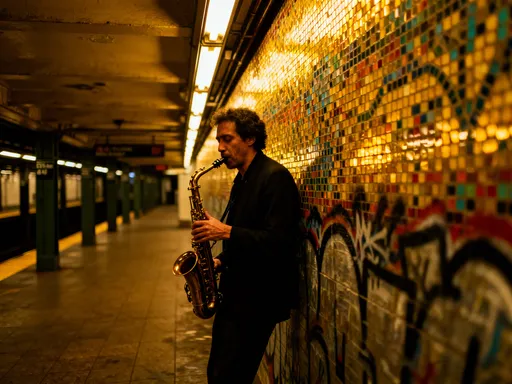
Street art in New York is not limited to murals. Look closely, and you’ll find mosaic benches in subway stations, yarn-bombed trees in Washington Square Park, and temporary sculptures in vacant lots. The city’s subway system, often seen as purely functional, is itself a masterpiece of design and decoration. Stations like 42nd Street–Bryant Park and Times Square feature intricate tile work, historical motifs, and commissioned artworks that transform daily commutes into moments of beauty. These installations are part of the MTA’s Arts & Design program, which has integrated art into transit spaces since the 1980s. For visitors, walking through these stations becomes an unplanned gallery tour—one that reminds us that art doesn’t need a frame to matter.
For those eager to explore, guided street art tours offer a safe and informative way to discover these works. Led by local artists or cultural historians, these tours provide context, share artist stories, and explain the difference between commissioned murals and unsanctioned graffiti. While graffiti has historically been controversial, it is now widely recognized as a legitimate art form that emerged from marginalized communities. Respecting the space is essential: visitors should avoid touching the art, refrain from tagging, and be mindful of private property. The best approach is to observe with curiosity and appreciation, understanding that each piece contributes to the city’s ever-evolving visual language.
Neighborhoods That Breathe Creativity: Beyond Manhattan
To truly understand New York’s artistic soul, one must venture beyond the island of Manhattan and into its diverse outer boroughs. Each neighborhood tells a unique cultural story, shaped by generations of immigrants, artists, and community leaders. Harlem, for instance, remains a beacon of African American culture. Its brownstones house jazz clubs where legends like Ella Fitzgerald once performed, and its churches host gospel choirs that lift spirits every Sunday. The Apollo Theater, a National Historic Landmark, continues to launch new talent through its famous Amateur Night. Cultural institutions like the Studio Museum in Harlem support Black artists and curate exhibitions that explore identity, history, and resistance.
Further east, in Queens, Jackson Heights offers a different kind of cultural mosaic. This neighborhood is one of the most ethnically diverse in the world, home to South Asian, Latin American, and Southeast Asian communities. Walking through its streets is like traveling across continents: sari shops stand beside pupuserias, Hindu temples neighbor mosques, and the air carries the scent of cumin, cilantro, and roasting corn. Cultural festivals throughout the year—such as Diwali celebrations, Colombian Independence Day parades, and Lunar New Year events—turn public spaces into vibrant stages of music, dance, and food. These gatherings are not performances for tourists; they are authentic expressions of community life, open to all who come with respect and openness.
The Lower East Side, once a landing point for Eastern European immigrants, now blends old-world traditions with avant-garde creativity. Historic synagogues coexist with underground art galleries, and family-run delis serve pastrami sandwiches alongside experimental theater venues. Artists’ collectives host pop-up exhibitions in repurposed storefronts, and poetry slams draw crowds to dimly lit cafes. What makes these neighborhoods so enriching for visitors is their human scale and authenticity. Unlike commercial districts designed for mass consumption, these areas offer intimate, personal encounters with culture. A conversation with a shop owner, a shared meal at a community festival, or a moment of silence in a neighborhood garden can leave a deeper impression than any guided tour.
Live Performance & Theatrical Magic: Where Stories Come Alive
While visual art shapes the city’s landscape, live performance gives it rhythm and voice. New York’s theater scene is legendary, anchored by Broadway but extending far beyond it. Broadway productions—musicals like The Lion King, Hamilton, and Wicked—draw millions of visitors each year with their polished performances, elaborate sets, and emotional power. These shows represent the pinnacle of commercial theater, where storytelling meets spectacle. Yet the true magic of New York’s stage lies in its diversity and accessibility. Off-Broadway and off-off-Broadway theaters, often housed in small black-box spaces, produce experimental works that push boundaries and amplify underrepresented voices.
From the Public Theater in the East Village to St. Ann’s Warehouse in Brooklyn, these venues champion new playwrights, diverse casts, and innovative staging. Productions might explore themes of immigration, climate anxiety, or intergenerational trauma, offering audiences not just entertainment, but reflection. Dance is another vital part of the city’s performance culture. Companies like the Alvin Ailey American Dance Theater blend modern, jazz, and African traditions to create powerful, emotionally charged works. Their performances at Lincoln Center or the Joyce Theater are not just displays of technical skill, but expressions of cultural heritage and personal journey.
For visitors, experiencing live performance doesn’t have to be expensive. Many theaters offer rush tickets, lottery systems, or same-day discounts. The TKTS booth in Times Square sells same-day tickets at reduced prices, making Broadway more accessible. For a more local experience, checking community calendars for free performances in parks or libraries can lead to unexpected discoveries. The key is to embrace variety—to see a classic play, a new dance piece, and a one-person show during a single trip. Each performance offers a different lens on the human experience, and together, they reveal the depth and dynamism of New York’s creative spirit.
Hidden Gems & Local Secrets: Finding the Unexpected
Amid the well-known landmarks and popular attractions, New York hides quieter, more intimate artistic experiences—those that feel like discoveries rather than destinations. These are the places where curiosity is rewarded and serendipity thrives. An unmarked door in a residential building might lead to a monthly open studio event, where painters, sculptors, and photographers welcome the public into their private workspaces. Bookstores in Greenwich Village or Fort Greene sometimes host poetry readings, where emerging writers share work in hushed, reverent settings. Community gardens in the Bronx or Staten Island occasionally feature small sculptures or seasonal art installations, blending nature and creativity in peaceful, overlooked corners.
Finding these moments requires a shift in mindset—from ticking off a checklist to embracing slow exploration. Instead of rushing from one major site to the next, allow time to wander without a fixed plan. Sit in a neighborhood café, observe the people, listen to the conversations, and ask questions. Locals are often eager to share their favorite spots, whether it’s a hidden jazz bar, a rooftop sculpture garden, or a Sunday afternoon folk music session in a church basement. These recommendations carry authenticity that no guidebook can replicate. Social media can help, but not by following influencers—instead, search for hashtags like #NYCindieart or #Brooklynopenstudios to find grassroots events.
Another strategy is to align visits with cultural calendars. Many neighborhoods host annual festivals, art walks, or heritage months that open doors to private spaces and behind-the-scenes experiences. During these times, artists’ studios, rehearsal spaces, and cultural centers welcome the public, offering a rare glimpse into creative processes. Even outside of festivals, calling ahead or checking websites of small cultural organizations can reveal unexpected opportunities. The reward is not just seeing art, but understanding the effort, passion, and community behind it. These moments of connection—brief, unscripted, and real—often become the most cherished memories of a trip.
How to Experience Art Like a New Yorker: Practical Tips for Deeper Connection
To engage with New York’s art scene the way a local does, a few practical strategies can make all the difference. First, timing matters. Major museums are least crowded on weekday mornings, especially just after opening. Evening events, such as gallery openings or museum “late nights,” offer a different atmosphere—lively, social, and often accompanied by music or light refreshments. Public art is best explored on foot, ideally during daylight for photography and safety, but some installations are dramatically lit at night, revealing new dimensions.
Using public transportation not only saves money but also deepens the experience. Riding the subway or bus allows travelers to observe the city’s rhythm, notice street art along the way, and interact with residents. Planning a cultural itinerary that combines art with everyday pleasures—such as visiting a museum followed by coffee at a nearby bakery or ending a gallery walk with a walk through a park—creates a balanced, enjoyable pace. This approach mirrors how New Yorkers integrate art into daily life, not as a special occasion, but as a natural part of living.
Equally important is cultivating the right mindset. Approach the city with curiosity rather than completion. Instead of trying to see everything, choose a few meaningful experiences and allow time to absorb them. Carry a small journal to jot down thoughts, sketch a detail from a painting, or record a quote from a performance. These personal reflections anchor memories and deepen understanding. Photography can be a powerful tool, but not every moment needs to be captured—sometimes, simply being present is the most profound way to connect.
Finally, remember that art in New York is not a spectator sport. It invites participation, conversation, and emotional response. Whether it’s clapping after a street musician’s set, asking an artist about their work, or joining a community event, engagement transforms observation into experience. By slowing down, staying open, and following curiosity, travelers can move beyond tourism and into genuine connection.
True travel isn’t about ticking boxes—it’s about connection. In New York, art isn’t confined to frames; it spills into streets, subways, and soulful corners waiting to be felt. By choosing depth over speed, you don’t just see the city—you live it. Let culture be your compass, and you’ll leave not with souvenirs, but with stories that stay.