Wild Green Escapes Just Beyond Moscow’s City Pulse
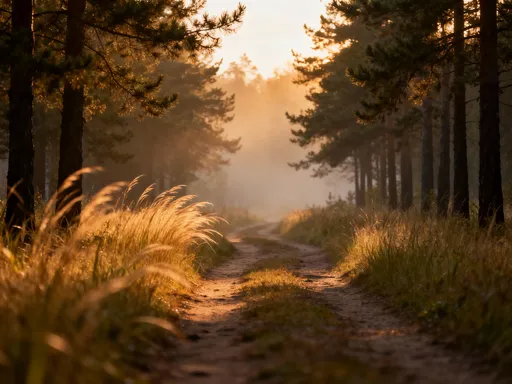
You know that rush when the city’s noise finally fades and nature takes over? I felt it just an hour from Moscow, where wild forests, quiet lakes, and untouched meadows wait. Most people never see this side of Russia’s capital. But trust me, these natural sanctuaries aren’t just pretty—they’re life-changing. From hidden trails to secret dacha hideouts, I’ll show you how to experience Moscow’s green soul, one peaceful breath at a time. This is not about grand expeditions or faraway destinations. It’s about rediscovering balance, right on the edge of one of Europe’s busiest cities. Whether you’re a resident craving respite or a visitor seeking authenticity, Moscow’s surrounding wilderness offers a restorative escape within easy reach.
Beyond Red Square: Discovering Moscow’s Natural Side
Moscow is often imagined as a city of golden domes, bustling boulevards, and endless traffic. Yet beyond the iconic skyline lies a surprisingly vast network of green spaces, many preserved and protected for decades. These areas form a natural belt that wraps around the metropolis, offering refuge from urban intensity without requiring long journeys. The Moscow Region, or Podmoskovye, spans thousands of square kilometers and includes dense forests, winding rivers, and serene lakes—each accessible via public transport or short drives. This proximity between city and wilderness is rare among global capitals, making Moscow uniquely positioned for spontaneous nature immersion.
Among the most significant green zones are Losiny Ostrov National Park, the Klyazma River lowlands, and the upper reaches of the Moskva River. These areas are not merely decorative parks but functioning ecosystems teeming with plant and animal life. Over 800 species of plants and more than 200 species of birds have been documented in the region’s protected zones. The coexistence of urban infrastructure and wild landscapes reflects a long-standing Russian tradition of valuing nature as essential to well-being. For generations, Muscovites have relied on these spaces for relaxation, recreation, and seasonal retreats.
What makes this green belt so remarkable is its accessibility. Many of these natural areas are within a 30- to 90-minute commute from central Moscow using regional trains or buses. Unlike remote wilderness reserves, these spaces are designed for public use, with marked trails, picnic zones, and visitor centers. Yet despite their popularity, vast sections remain quiet and uncrowded, especially on weekdays or during off-peak seasons. The contrast between the city’s relentless pace and the stillness of the surrounding forests is striking—and deeply therapeutic.
This duality challenges the common perception of Moscow as purely urban. It invites a redefinition of the city not just as a cultural and political center, but as a gateway to wild beauty. The green belt is not an afterthought; it is an integral part of Moscow’s identity. By stepping into these spaces, visitors and residents alike participate in a quiet tradition of renewal, one that has sustained generations of Russians seeking clarity, calm, and connection to the natural world.
Losiny Ostrov: Europe’s Hidden Wild Forest
Stretching across northeastern Moscow and into the surrounding region, Losiny Ostrov National Park is one of Europe’s most unusual natural treasures. Covering over 11,000 hectares, it is often described as the only inhabited wilderness on the continent—where elk roam freely just minutes from apartment blocks and metro stations. Established in 1983, the park was once a royal hunting ground for Russian tsars, a legacy reflected in its well-preserved old-growth forests and diverse wildlife. Today, it serves as a sanctuary for both animals and city dwellers in search of solitude.
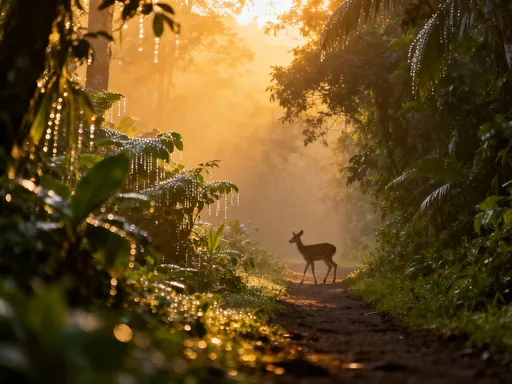
The park’s name, which translates to “Elk Island,” is no exaggeration. A stable population of elk lives within its borders, often spotted at dawn or dusk along forest trails. Other residents include red deer, wild boar, foxes, and more than 150 bird species, including the rare black woodpecker and Eurasian eagle-owl. The mix of pine, spruce, and birch forests creates a layered landscape that changes dramatically with the seasons. In spring, the forest floor bursts with wild garlic and hepatica; in autumn, the birch trees turn golden, casting a warm glow over the pathways.
For visitors, Losiny Ostrov offers a range of experiences. Hiking trails vary from easy loops near the entrance to multi-day trekking routes for experienced walkers. The park is especially popular in winter, when snow-covered paths become ideal for cross-country skiing and snowshoeing. Families often come on weekends to explore marked educational trails, where informational boards explain local flora and fauna. Birdwatchers bring binoculars to spot woodpeckers, owls, and migratory species along the riverbanks.
Access is straightforward. The park has several entry points connected to the Moscow Metro, particularly via the Vykhino and Novogireevo stations. From there, local buses or short walks lead to trailheads. Despite its proximity to the city, Losiny Ostrov feels remote. The sound of traffic fades quickly, replaced by birdsong and the rustle of leaves. To avoid crowds, early mornings or weekdays are ideal. The park is free to enter, though guided tours and special programs may require registration. Whether you’re walking beneath ancient pines or watching an elk silhouette against the winter sky, Losiny Ostrov offers a rare kind of magic—one that reminds you how close true wilderness can be.
The Magic of Moscow’s Riverbanks and Lakes
While the Moskva River flows through the heart of the city, its character transforms dramatically just beyond the urban core. Outside Moscow’s ring road, the river widens, slows, and blends into a network of lakes and wetlands that have long served as favorite weekend destinations for locals. Among the most beloved are Lake Senezh, Lake Ozernoye, and the Ivankovskoye Reservoir—each offering clean water, sandy shores, and peaceful surroundings. These spots are not tourist attractions in the conventional sense, but living parts of Muscovite life, where families swim, fish, paddle, and simply breathe.
Lake Senezh, located about 50 kilometers northwest of Moscow, is one of the cleanest and most accessible lakes in the region. Its waters are regularly monitored, and designated swimming zones are marked with buoys and lifeguard stations during summer. The lake is surrounded by pine forests and walking trails, making it ideal for a full-day escape. Visitors arrive by car or regional train, then walk or bike to the shore. Picnic areas with grills are available, and small kiosks sell snacks and drinks. In the early morning, the lake is often still, its surface reflecting the sky like glass—a perfect moment for quiet contemplation.
Kayaking and stand-up paddleboarding have grown in popularity in recent years, with rental services available at several points along the lake. Paddling at sunrise offers a unique perspective, as mist rises from the water and birds take flight. For those who prefer stillness, fishing is a cherished pastime. The lake is home to perch, pike, and bream, and many come with rods and bait to spend a few hours by the reeds. It’s not about the catch, but the rhythm—the patience, the solitude, the connection to the water.
Lake Ozernoye, further east, offers a similar experience with a slightly wilder feel. Less developed than Senezh, it attracts visitors seeking quiet and unstructured time in nature. There are no large resorts or commercial facilities, just simple access points and natural beaches. The water is clean, and the surrounding forest provides ample shade and walking paths. Both lakes are safe for children, with gradual entries and lifeguards on duty in summer. Public transport options include elektrichka trains and buses, making them feasible for spontaneous weekend trips without a car.
These lakes are more than recreational spots—they are emotional anchors. For many Muscovites, childhood memories are tied to weekend swims, family barbecues, and stargazing by the water. In a fast-moving world, they represent continuity, simplicity, and peace. Just a short journey from the city, they offer a mental reset, a chance to slow down and reconnect with what matters.
Izmailovo Park: Urban Oasis with a Rustic Twist
Larger than New York’s Central Park, Izmailovo Park occupies a vast stretch of northeastern Moscow and serves as one of the city’s most versatile green spaces. Unlike formal gardens or manicured plazas, Izmailovo blends urban recreation with wilder forested areas, creating a unique hybrid environment. It is at once a place for amusement rides, craft markets, and summer concerts, and a sanctuary of quiet woods, meadows, and walking trails. This duality makes it appealing to a wide range of visitors, from families with young children to solo walkers seeking solitude.
The park is divided into several zones, each with its own character. The eastern section, known as Izmailovo Forest, is the most natural, with dense tree cover, small streams, and clearings that feel far removed from the city. Here, visitors can hike, bike, or simply sit on a bench beneath the trees. Rental bikes and scooters are available near the metro station, allowing easy exploration. The western side is more developed, featuring the Izmailovo Kremlin—a complex of colorful, fairy-tale-style buildings that house museums, shops, and a popular weekend flea market.
While the market draws tourists, the forest areas remain largely local territory. Early on weekends, you’ll see Muscovites walking dogs, practicing tai chi, or gathering mushrooms in autumn. The park’s biodiversity is impressive: over 600 plant species, numerous bird populations, and even small mammals like hedgehogs and squirrels. Educational paths with signage help visitors identify trees, birds, and seasonal changes. In winter, the trails are used for cross-country skiing, and in summer, open-air yoga classes are often held in the meadows.
One of the park’s strengths is its accessibility. Izmailovo is directly served by the Izmaylovskaya and Partizanskaya metro stations, making it easy to reach without a car. Entry is free, and facilities include restrooms, cafes, and children’s playgrounds. To avoid the busiest areas, visitors can enter from the northern or eastern gates, which lead directly into the forest. Whether you’re browsing handmade crafts, paddling on the pond, or walking beneath towering pines, Izmailovo offers a rich, layered experience—a true urban oasis with a rustic soul.
The Dacha Culture and Its Role in Nature Access
No exploration of Moscow’s natural escapes would be complete without understanding the dacha—a cornerstone of Russian life for over a century. A dacha is a small seasonal house, typically located in the countryside just outside the city, surrounded by a garden. For millions of Muscovites, the dacha is not just a vacation home but a way of life, deeply tied to the rhythms of nature. Every weekend from spring to autumn, families pack cars or board trains to tend their plots, grow vegetables, swim in nearby ponds, and escape the pressures of urban living.
The tradition dates back to the 18th century, when tsars granted land to nobles for summer residences. Over time, dachas became more widespread, especially during the Soviet era, when they were allocated to workers as a form of social benefit. Today, hundreds of thousands of dachas dot the forests and fields surrounding Moscow, forming a patchwork of private green spaces. While many are family-owned and not open to the public, the culture has given rise to agritourism opportunities, where visitors can rent rooms, participate in harvests, or enjoy home-cooked meals with local hosts.
Life at a dacha revolves around the land. Spring begins with tilling soil and planting potatoes, carrots, and strawberries. Summer brings long days of weeding, watering, and harvesting. Autumn is for preserving—jarring tomatoes, pickling cucumbers, and storing root vegetables for winter. These activities are not merely practical; they are meditative, grounding, and deeply satisfying. The dacha lifestyle fosters a tangible connection to the seasons, a contrast to the artificial rhythms of city life.
Even for those without a dacha, the culture influences how people engage with nature. The act of growing food, swimming in natural ponds, or sitting on a wooden porch with a cup of tea embodies a slower, more intentional way of living. Some dacha communities have opened to visitors through rural guesthouses or farm stays, offering a chance to experience this lifestyle firsthand. These stays often include walks in nearby forests, meals made from garden produce, and quiet evenings by the fire. They provide not just comfort, but a sense of belonging to the land—a feeling increasingly rare in modern life.
Seasonal Shifts: How Nature Changes Around Moscow
Moscow’s surrounding nature undergoes dramatic transformations throughout the year, each season offering a distinct mood and set of experiences. Unlike cities with mild climates, this region embraces extremes—crisp springs, humid summers, fiery autumns, and hushed, snow-laden winters. For those who venture beyond the city, these shifts are not obstacles but invitations to engage with the land in different ways.
Spring arrives tentatively, usually in late March or early April. Snow melts, revealing patches of green and the first wildflowers. Rivers swell with runoff, and bird migrations begin. This is a time of renewal, when the forest floor comes alive with scents and sounds. It is also mushroom foragers’ first opportunity of the year, though the morel season is brief and requires patience. Spring hikes are refreshing, with cool air and budding trees creating a sense of awakening.
Summer brings lush greenery and long daylight hours. Forests become dense and shaded, lakes warm enough for swimming, and trails busy with families. Berry picking peaks in July and August, with blackberries, raspberries, and wild strawberries available in many areas. This is also the best time for kayaking, cycling, and open-air camping. Evenings are ideal for picnics by the water or quiet walks under the midnight sun’s glow.
Autumn is perhaps the most beautiful season. From late September to early November, the taiga forests turn golden, red, and amber. The air is crisp, the light soft, and the ground carpeted with fallen leaves. It is mushroom season in full swing, and many locals spend weekends in the woods with baskets and knives. The sound of rustling leaves and distant geese flying south creates a melancholic yet peaceful atmosphere. Photographers and nature lovers consider this the prime time to visit.
Winter transforms the landscape into a silent, monochromatic world. Snow covers trails, lakes freeze, and the forests become still. Yet life continues. Cross-country skiing and snowshoeing are popular, as are ice fishing and winter berry picking—some shrubs retain their fruit under the snow. The cold air is invigorating, and the quiet is profound. For those who embrace it, winter in the Moscow countryside is not a barrier to nature, but a different kind of intimacy with it.
Practical Guide: Planning Your Natural Escape
Experiencing Moscow’s green escapes is easier than many assume. The key is knowing how to get there, what to bring, and how to respect the environment. Most natural areas are accessible via public transport, particularly the elektrichka—regional commuter trains that connect Moscow to towns and villages in the surrounding region. These trains are affordable, frequent, and often stop near trailheads or lakes. Buses and marshrutkas (minibuses) extend access to more remote spots. For greater flexibility, car rentals are available, though traffic can be heavy on weekends.
Entry to most parks and natural areas is free. Losiny Ostrov, Izmailovo Park, and many lakes have no admission fees, though parking may cost a small amount. Guided tours, equipment rentals, and guest stays may involve fees, but these are generally modest. It’s wise to carry cash, as some rural vendors do not accept cards.
Packing depends on the season. In summer, bring water, sunscreen, insect repellent, and comfortable walking shoes. A hat and light rain jacket are advisable. In winter, layering is essential—thermal base layers, a warm coat, gloves, and insulated boots. For mushroom or berry picking, a basket or cloth bag is traditional and eco-friendly. Always carry a basic first-aid kit and a fully charged phone.
When interacting with locals, a few basic Russian phrases can go a long way. Simple greetings like “Zdravstvuyte” (Hello) and “Spasibo” (Thank you) are appreciated. If staying in a rural area, showing respect for local customs—such as removing shoes indoors or bringing a small gift for hosts—enhances the experience.
Equally important is practicing responsible tourism. This means leaving no trace, avoiding loud noises, and staying on marked trails. Feeding wildlife, lighting fires outside designated areas, or picking protected plants should be avoided. Many Muscovites view these spaces as shared treasures, and respectful behavior ensures they remain accessible and beautiful for future generations.
Reclaiming Balance Through Nature Near Moscow
In a world that moves faster every day, the natural spaces around Moscow offer something increasingly rare: stillness. They are not distant wildernesses requiring weeks of planning, but close, accessible sanctuaries where peace is measured in quiet footsteps and deep breaths. From the elk paths of Losiny Ostrov to the shimmering shores of Lake Senezh, from the dacha gardens to the snow-covered trails of winter, these places remind us that nature is not separate from life—it is part of it.
For 30- to 55-year-old women, often balancing family, work, and personal well-being, these escapes are not luxuries but necessities. They provide mental clarity, physical renewal, and emotional grounding. They offer a chance to step back, breathe deeply, and reconnect with oneself. The rhythm of the seasons, the simplicity of a walk in the woods, the joy of picking berries or paddling on a calm lake—these are small acts with deep impact.
Moscow’s green soul is not hidden. It is waiting, just beyond the city pulse, ready to welcome anyone willing to step off the metro, lace up their boots, and follow the trail. With thoughtful planning and an open heart, the wild beauty of Russia’s capital region is not only within reach—it is yours to discover.