You Won't Believe These Secret Spots in Grindelwald's Wild Mountains
Nestled beneath the towering peaks of the Eiger, Grindelwald is more than just a postcard-perfect Swiss village—it’s a gateway to some of Europe’s most breathtaking natural landscapes. I’ve wandered these alpine trails in every season, and each visit feels like stepping into a living painting. From hidden valleys to glacial overlooks, knowing where and when to go transforms a good trip into an unforgettable one. The crisp mountain air, the quiet hum of distant cowbells, and the ever-changing light on snow-dusted ridges create a rhythm that slows time and deepens connection. This is not merely a destination; it’s an invitation to witness nature in its most honest form.
Why Grindelwald Stands Out in the Swiss Alps
Among the many alpine villages scattered across Switzerland, Grindelwald holds a distinctive place. Its dramatic setting at the foot of the Eiger’s North Face sets it apart, offering a sense of awe from the very first glance. Unlike more remote mountain hamlets, Grindelwald balances accessibility with untouched wilderness, making it ideal for travelers who seek both comfort and adventure. The village has long been a haven for hikers, climbers, and nature lovers, with a history of alpine tourism stretching back over a century. Its well-preserved chalets, family-run guesthouses, and warm hospitality reflect a culture deeply rooted in mountain life.
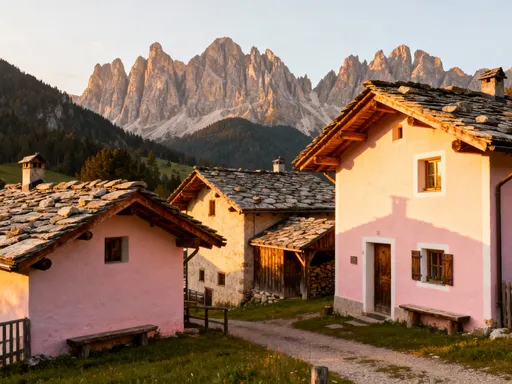
What truly defines Grindelwald is its seamless integration with the natural world. The surrounding valleys open like pages in a storybook, each revealing new vistas—lush meadows in summer, golden larch forests in autumn, and pristine snowscapes in winter. The region’s extensive trail network connects high alpine passes with quiet forest paths, allowing visitors to explore at their own pace. Whether you're drawn to panoramic viewpoints or hidden glacial streams, the landscape responds with quiet generosity. This harmony between human presence and wild terrain is rare and precious, making Grindelwald not just a scenic stop, but a place of enduring emotional resonance.
Additionally, Grindelwald serves as a strategic base for exploring the Jungfrau region. Its central location allows easy access to nearby peaks like the Schreckhorn and Wetterhorn, as well as neighboring valleys such as Lauterbrunnen and Kandersteg. The village itself offers essential amenities—restaurants serving hearty Swiss fare, well-stocked outdoor shops, and efficient public transport—without compromising the sense of remoteness. For families, couples, and solo travelers alike, this blend of convenience and natural grandeur creates a uniquely balanced experience. It’s a place where you can enjoy a warm meal in a timbered inn and, within an hour, stand atop a windswept ridge with nothing but silence and sky.
Best Times to Visit for Optimal Natural Beauty
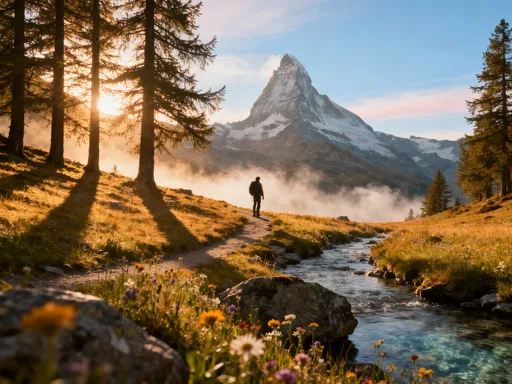
Timing is everything when planning a trip to Grindelwald, as each season unveils a different facet of its beauty. Late June through early July brings a burst of alpine wildflowers—gentians, edelweiss, and mountain avens paint the meadows in soft purples, whites, and yellows. This is one of the most photogenic periods, when the snow has mostly melted at mid-elevations, and the air carries the delicate scent of blooming herbs. Trails are generally dry and safe, making it ideal for families and casual hikers. The days are long, with sunlight lingering well into the evening, allowing for extended exploration without rushing.
For those who love dramatic color contrasts, October offers a breathtaking spectacle. The larch trees, unique to this region, turn a brilliant gold before shedding their needles—a phenomenon that lasts only a few weeks. The crisp autumn air enhances visibility, and the lower humidity makes for crystal-clear views of distant peaks. This time of year also sees fewer tourists, meaning quieter trails and more intimate encounters with nature. Hiking in October requires slightly more preparation—warmer layers, waterproof boots—but the rewards far outweigh the effort. Sunrise over the valley during this season casts a golden glow that feels almost sacred, transforming the entire landscape into a luminous dreamscape.
Winter, from December through March, presents another dimension entirely. While Grindelwald is known for skiing and snowboarding, the non-skier can still find profound beauty in the snow-covered forests and frozen lakes. Early winter mornings offer stillness unlike any other time—frost clinging to pine branches, the soft crunch of snow underfoot, and the distant echo of church bells from the village below. The holiday season adds charm, with local markets and festive lights, but visiting in January or February allows you to avoid peak crowds while still enjoying excellent snow conditions. Regardless of the season, early mornings are golden hours—not just for photography, but for experiencing the mountains before the world wakes up.
Top Hiking Routes That Showcase True Alpine Majesty
Grindelwald’s trail system offers something for every level of hiker, from gentle woodland strolls to challenging ridge walks. One of the most family-friendly options is the Bossebaum Path, a loop trail that begins near the village center and winds through a fragrant pine forest. Named after a centuries-old larch tree known locally as the Bossebaum, this route is rich in folklore and natural charm. Interpretive signs along the way explain the local flora and fauna, making it both educational and relaxing. The path is well-maintained, mostly flat, and shaded—perfect for younger children or those looking for a peaceful walk without elevation gain. A small wooden playground near the end adds to its appeal for families.
For a more exhilarating experience, the ascent to First is a must. Reached via the Grindelwald–First gondola, this trail begins at the mountain station and descends along a wide, well-marked path that offers continuous views of the surrounding peaks. The first stretch passes by the First Cliff Walk, a suspension bridge that juts out over a deep ravine—thrilling but safe, with sturdy railings and panoramic views. From there, hikers can continue toward Bachalpsee, a glacial lake that reflects the surrounding mountains like a mirror. The trail is moderately challenging, with some rocky sections and elevation changes, but the scenery makes every step worthwhile. Many choose to hike down and take the gondola up, conserving energy while maximizing the visual payoff.
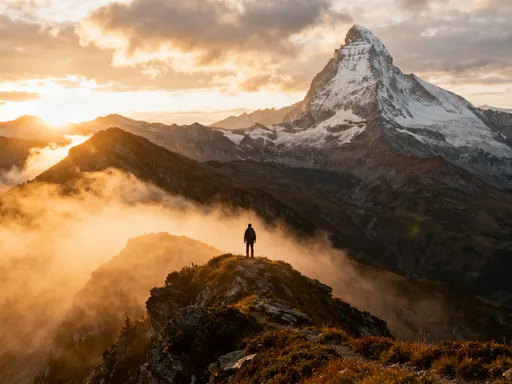
One of the most magical hikes is the early morning trek to Bachalpsee at sunrise. Starting before dawn from the First station, this route follows a narrow alpine path through tundra-like terrain. As the sun rises, the lake slowly comes to life—first in shadow, then glowing with pink and gold hues as light hits the water. On calm mornings, the reflection of the Eiger and surrounding peaks is so sharp it’s hard to tell where sky ends and mountain begins. This hike requires preparation: headlamps, warm clothing, and a good sense of direction, as the trail is less crowded and less illuminated. But for those willing to rise early, it offers one of the most transcendent experiences in the Alps—a moment of pure, unspoiled beauty that stays with you long after you return to the valley.
Hidden Natural Gems Most Tourists Miss
While the main trails draw most visitors, some of the most rewarding experiences in Grindelwald come from stepping off the beaten path. One such hidden gem is the network of forest trails near Männlichen, accessible via cable car from Grindelwald or Wengen. Once at the top, most tourists head toward the panoramic viewpoint or the summer toboggan run, but a quieter path leads west into a secluded spruce forest. This trail, known locally as the Rundweg Männlichen, circles the mountain shoulder and offers unexpected views of the Lauterbrunnen Valley. The air here is cooler, the light dappled, and the only sounds are the wind and occasional bird calls. It’s a place of deep calm, ideal for reflection or a quiet picnic away from the crowds.
Another lesser-known route is the ridge walk from Alpiglen to Grosse Scheidegg. This moderate hike follows an old mountain pass used by shepherds and traders for centuries. The trail climbs gradually through alpine pastures dotted with grazing cows, their bells echoing across the valley. At the summit, Grosse Scheidegg offers a rustic mountain hut where travelers can rest and enjoy a simple meal of cheese, bread, and herbal tea. The return path descends through a series of switchbacks with uninterrupted views of the Eiger’s northern flank. Because this route doesn’t connect directly to major gondolas or tourist hubs, it sees far fewer visitors, making it perfect for those seeking solitude and authenticity.
Equally rewarding is the small glacial stream near the base of the Schreckhorn Glacier, accessible via a detour from the traditional route to Schreckhornhütte. While the hut itself is a destination for climbers, the stream—fed by melting ice—is a quiet marvel. Its water is icy blue, almost surreal in color, and flows over smooth stones with a gentle murmur. Sitting beside it, even for a few minutes, feels like touching the pulse of the mountain. These kinds of moments—small, unadvertised, and deeply personal—are what make Grindelwald so special. They remind us that true discovery often lies not in the famous viewpoints, but in the quiet spaces between them.
Smart Transportation Tips to Maximize Your Day
Navigating Grindelwald’s mountain terrain efficiently requires thoughtful planning, especially during peak seasons. The Swiss Travel Pass is one of the most valuable tools for visitors, offering unlimited access to trains, buses, and many cable cars throughout the region. For those planning multiple excursions, the pass quickly pays for itself. It’s particularly useful for reaching trailheads like Männlichen, First, and Kleine Scheidegg without paying full fare each time. Additionally, the pass includes discounts on mountain restaurants and guided tours, enhancing the overall value.
When deciding between hiking up or taking the gondola, consider both energy and timing. For instance, hiking from Grindelwald to First is possible but strenuous—over 1,200 meters of elevation gain. Most travelers find it more enjoyable to take the gondola up and hike down, preserving energy for exploration rather than exertion. The descent offers continuous views and varied terrain, making it far more engaging than the ascent. Similarly, starting early—ideally before 8 a.m.—helps avoid the midday tour buses that arrive from Interlaken and Lucerne. By the time the crowds reach the main viewpoints, you’ll already have enjoyed a peaceful walk and perhaps even captured the sunrise.
Combining cable cars with footpaths allows for creative route planning. A popular loop involves taking the gondola to First, hiking to Bachalpsee, then continuing to Grosse Scheidegg before catching the bus back to Grindelwald. This route covers diverse landscapes in a single day without backtracking. Checking the local transportation schedule the night before ensures smooth transitions between modes. Many overlook the importance of return times—mountain buses and cable cars often reduce frequency in the late afternoon. Arriving at stops early prevents missed connections and stressful waits. With a little foresight, transportation becomes not a hurdle, but a seamless part of the journey.
Packing and Preparation: What You Actually Need
Packing for a day in Grindelwald’s mountains is less about quantity and more about smart choices. The most essential item is layered clothing. Alpine weather changes rapidly—sunny mornings can turn into windy, misty afternoons within an hour. A moisture-wicking base layer, a warm fleece or down jacket, and a waterproof outer shell provide adaptability. Avoid cotton, which retains moisture and can lead to chilling. A wide-brimmed hat and sunglasses protect against strong UV rays, which are more intense at high altitudes. Even on cloudy days, sun exposure remains a concern.
Footwear is equally critical. Sturdy hiking boots with good ankle support and grip are recommended, especially for trails with loose rock or steep sections. Trail runners may suffice on well-maintained paths like the Bossebaum route, but they offer less protection on rugged terrain. Bring moisture-wicking socks—synthetic or wool—and consider packing an extra pair in case of dampness. A small daypack (20–30 liters) is ideal for carrying essentials: water, snacks, a first-aid kit, and a lightweight emergency blanket.
Food and hydration are often underestimated. Carry at least 1.5 liters of water per person, as natural sources, while abundant, should be filtered or treated before drinking. Trail snacks like nuts, dried fruit, energy bars, and dark chocolate provide sustained energy without weighing you down. While mountain huts offer meals, they may be closed outside peak season or have limited hours. Being self-sufficient ensures you won’t be caught hungry on a remote stretch. Finally, always check the weather forecast before departure and inform someone of your route and expected return time. These simple precautions contribute significantly to safety and peace of mind.
How to Respect and Preserve the Alpine Environment
The beauty of Grindelwald’s mountains is fragile, shaped by centuries of natural processes and carefully maintained by local stewardship. Travelers have a responsibility to minimize their impact and help preserve this environment for future generations. The Leave No Trace principles are especially relevant here. Staying on marked trails prevents soil erosion and protects delicate alpine plants, many of which grow slowly and cannot recover from trampling. Even a small detour to get a better photo can cause lasting damage.
Proper waste disposal is non-negotiable. All trash, including food wrappers and fruit peels, should be carried out. Organic waste decomposes slowly at high altitudes and can attract animals to human areas, disrupting natural behaviors. Feeding wildlife, even with good intentions, is harmful and often prohibited. Cows, marmots, and birds are part of the ecosystem’s balance—interfering can lead to dependency and health issues.
Respect also extends to noise and space. While the mountains invite awe and excitement, keeping voices low and avoiding loud music allows others to experience the same tranquility. Camping is restricted in most areas to protect vegetation and water sources. Overnight stays should be limited to designated huts or lodges. Supporting local conservation efforts—such as donating to alpine protection groups or choosing eco-certified accommodations—further contributes to sustainability. When travelers move through the landscape with care and reverence, they become part of its preservation rather than a disruption.
Conclusion
A journey to Grindelwald is more than a vacation—it’s an encounter with timeless natural beauty and quiet introspection. The mountains do not rush, and neither should those who walk among them. By choosing the right season, preparing thoughtfully, and venturing beyond the main trails, travelers uncover layers of wonder that go far beyond the typical postcard view. The hidden stream, the sunrise over Bachalpsee, the whisper of wind through larch trees—these are the moments that linger.
Yet the true magic lies not just in what we see, but in how we move through the landscape. With respect, awareness, and a willingness to listen, we become stewards of these wild places. Every footstep can be a gesture of care. Every choice—to stay on the trail, to pack out waste, to rise early and watch the light change—adds up to a deeper kind of travel. Grindelwald invites us not just to visit, but to belong, even if only for a day. And in that belonging, we find a quiet joy—one that echoes long after we’ve returned to the world below.