You Gotta Experience This: My Nairobi Adventure Check-In
Stepping into Nairobi is like opening a door to a world where wild meets urban, and every moment pulses with energy. I came for the wildlife, but stayed for the culture, flavors, and unexpected thrills. From sunrise at the animal sanctuary to street food that blew my taste buds away, this city surprised me at every turn. If you're thinking of visiting Kenya, let me tell you—Nairobi isn’t just a stopover. It’s a full-body experience that grabs you and doesn’t let go.
First Impressions: Touching Down in Nairobi
Arriving at Jomo Kenyatta International Airport, there’s an immediate sense of transition—not just from sky to ground, but from the familiar to the vibrantly new. The immigration process moves efficiently, especially with e-visa pre-approval, and within an hour of landing, many travelers are already on their way into the city. Clear signage, helpful staff, and designated pickup zones make the first moments smoother than expected. Whether choosing an airport shuttle or a private transfer arranged by a hotel, the ride into Nairobi offers a gentle introduction to Kenya’s capital.
The city unfolds along wide, tree-lined avenues where jacaranda and acacia branches arch overhead, softening the urban landscape with bursts of green and seasonal purple blooms. Even in traffic, there’s a rhythm—vendors waving fresh coconuts at red lights, matatus (colorful minibuses) zipping between lanes, and the occasional cow ambling across the road near the outskirts. The air is warm but not oppressive, carrying the faint scent of earth after morning rain and wood smoke from nearby homes.
What sets Nairobi apart from other African capitals is its seamless coexistence of modern infrastructure and natural abundance. Skyscrapers rise beside protected forests, and business districts buzz just minutes from wildlife conservancies. This duality defines the city’s character. Unlike capitals that feel entirely urbanized, Nairobi embraces its wild roots. You might attend a conference in the morning and hear hyraxes chirping in the embassy gardens by evening. That balance—between progress and preservation—is felt from the moment you arrive, shaping the journey ahead.
Wildlife Up Close: The Giraffe Centre Morning Visit
A short drive from the city center leads to one of Nairobi’s most touching conservation experiences—the Giraffe Centre. Nestled in the Lang’ata neighborhood, this sanctuary was established to protect the endangered Rothschild giraffe, a subspecies with striking patch patterns and a dwindling wild population. Today, it stands as a model of community-led conservation and education, welcoming visitors into a space where humans and animals connect in quiet, meaningful ways.
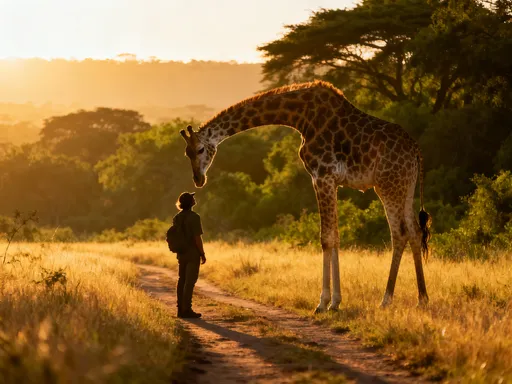
The highlight of any visit is standing on the feeding platform, palm outstretched with a pellet of specially formulated grain, as a towering giraffe leans down with surprising grace. Their long, prehensile tongues curl around the offering, brushing your hand with a texture like sandpaper and velvet combined. It’s a moment of gentle awe—close enough to see the eyelashes, the softness of the ears, the quiet intelligence in their eyes. Guides explain how each giraffe has a name and a story, many born and raised here before being reintroduced to safe habitats across Kenya.
Beyond the feeding deck, the center offers a treetop walkway that loops through the canopy, providing panoramic views of the surrounding acacia forest and glimpses of bushbuck, warthogs, and exotic birds. Interpretive panels detail the breeding program’s success—over 400 giraffes born at the center since the 1970s, with many relocated to bolster wild populations. This isn’t a zoo; it’s a living classroom where children from local schools learn about biodiversity and ecological responsibility.
For travelers, the Giraffe Centre offers a low-impact, high-reward experience. It’s accessible, educational, and emotionally resonant. More than that, it sets a tone for how tourism can support conservation. Every entry fee contributes to breeding, veterinary care, and outreach. It’s a reminder that even brief encounters, when done ethically, can have lasting impact. In a city full of fast-paced energy, this morning visit slows time, inviting reflection on our relationship with nature.
Cultural Pulse: Exploring the Bomas of Kenya
As daylight fades, Nairobi’s cultural heartbeat grows louder at the Bomas of Kenya, a national cultural center dedicated to preserving the traditions of the country’s diverse ethnic communities. The name “boma” refers to a traditional homestead enclosure, and here, life-sized replicas from the Kikuyu, Luo, Maasai, and other groups stand in a peaceful cluster across a grassy compound. But the real magic begins at dusk, when drums echo and performers emerge in full regalia for the nightly cultural show.
The performances are vibrant, rhythmic, and deeply authentic. Dancers from different regions take turns on the circular stage, each group expressing identity through movement, costume, and music. The Maasai warriors leap in their signature high jumps, red shukas swirling, while the Luhya perform intricate footwork accompanied by thumb pianos and flutes. Songs tell stories of harvests, courtship, and ancestral wisdom, sung in native languages with subtitles provided for visitors. There’s no artificial staging—this is living heritage, passed down through generations and performed with pride.
Families often attend, children wide-eyed as they watch the energetic routines. Weekend shows are especially lively, sometimes extending into a celebration of contemporary Kenyan music and dance. The atmosphere is welcoming, with guides available to explain customs and answer questions. Visitors are encouraged to participate in group dances during the finale, a joyful mingling of cultures under the stars.
Beyond the stage, the grounds include craft stalls where artisans sell handwoven baskets, beadwork, and carved wooden masks—each piece carrying cultural significance. Purchasing directly supports local makers and keeps traditional crafts alive. The Bomas also hosts storytelling sessions and seasonal festivals, such as the annual “Cultural Week” that brings together performers from across East Africa.
For travelers seeking more than scenic views, this experience offers emotional depth. It’s a chance to understand Kenya not just as a safari destination, but as a nation of rich, varied human stories. In a world where globalization can blur cultural lines, the Bomas stands as a vibrant testament to identity, resilience, and celebration. It reminds us that every country has a soul—and in Kenya, it sings, dances, and drums long into the night.
Urban Escape: Hiking Through Karura Forest
In the midst of Nairobi’s bustling streets, few expect to find a 270-hectare indigenous forest teeming with birds, butterflies, and winding trails. Yet Karura Forest is exactly that—a green sanctuary carved from the city’s sprawl, preserved through the tireless efforts of environmentalist Wangari Maathai and community activists in the 1990s. Today, it’s a haven for joggers, birdwatchers, and anyone craving a breath of calm amid urban life.
Mornings are the best time to visit, when mist still clings to the treetops and the air hums with cicadas and chirping sunbirds. The main trail loops around a peaceful lake, where monitor lizards sometimes sunbathe on rocks and herons stalk the shallows. Deeper paths lead to a small waterfall, a rare urban cascade that murmurs over mossy stones. Benches are thoughtfully placed for quiet reflection, and signage highlights native plant species like the giant fig and African pencil tree.
What makes Karura special is its accessibility and community spirit. Locals come daily—parents walking strollers, students reading under trees, fitness groups doing yoga on wooden platforms. It’s not a tourist-exclusive space but a shared resource, open to all. Rangers patrol regularly, ensuring safety and offering information. Dogs on leashes are welcome, and guided nature walks are available on weekends, often led by volunteers from the Karura Forest Environmental Education Programme.
The forest’s history adds depth to the experience. Once threatened by illegal development, it was saved by grassroots protests that united citizens across social lines. Wangari Maathai, founder of the Green Belt Movement, championed its protection as part of a broader vision for environmental justice. Today, tree-planting ceremonies are still held here, continuing her legacy. Walking these trails, one feels part of something larger—a movement toward sustainability, mindfulness, and reconnection with nature.
For visitors, Karura offers a different kind of adventure. There are no lions or elephants, but there is peace. No grand monuments, but there is meaning. It’s a place to slow down, listen, and remember that cities can coexist with wilderness. Whether you spend an hour or half a day, leaving Karura feels like emerging refreshed—grounded, centered, and more in tune with the planet.
Flavors of the City: A Street Food Crawl in Westlands
To truly know Nairobi, you must taste it. And few neighborhoods offer a more dynamic culinary snapshot than Westlands, a bustling district known for its mix of cafes, boutiques, and vibrant street food scene. As evening falls, food carts and pop-up grills light up sidewalks, filling the air with the sizzle of meat, the sweet smoke of roasting maize, and the tang of fresh mango chutney.
A street food crawl here is a sensory journey. It begins with mishkaki—skewers of marinated beef grilled over charcoal, served with a side of kachumbari, a fresh tomato and onion salad that cuts through the richness. Vendors in clean aprons work with practiced hands, turning skewers with long forks, their flames dancing in the dusk. Nearby, another stall roasts maize ears in their husks, peeling them back to reveal golden kernels brushed with spicy chili butter.
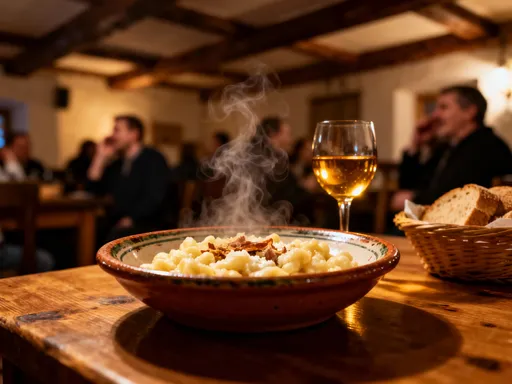
Then there’s nyama choma, Kenya’s beloved grilled meat, often goat or beef, served with ugali—a firm maize porridge that acts as the perfect edible utensil. The best spots are family-run, known locally for quality and consistency. One such place, tucked behind a shopping plaza, draws crowds every night, its outdoor seating filled with friends laughing over cold sodas and Tusker beer. Hygiene is a priority—many vendors use gloves, have handwashing stations, and cover food when not in use.
Sweet endings come in the form of mandazi, fluffy triangular doughnuts dusted with sugar, or ripe passion fruit sold in plastic cups with a spoon. Fruit stands overflow with avocados, pineapples, and the local favorite, soursop, its creamy flesh scooped out and eaten with a pinch of salt. Every bite tells a story of home, tradition, and daily joy.
More than just eating, this experience is about connection. Street vendors remember regulars, greet newcomers warmly, and share recommendations. It’s informal, unhurried, and deeply human. For travelers, it’s a chance to step beyond hotel dining and into the rhythm of local life. Food becomes a bridge—between cultures, generations, and strangers who soon feel like neighbors. In Westlands, every flavor is an invitation to belong.
Day Trip Magic: Amboseli National Park in a Day
While Nairobi itself offers rich experiences, the call of the wild is strong—and one of the most breathtaking responses is a day trip to Amboseli National Park. Located about 160 kilometers southeast of the city, Amboseli is renowned for its large elephant herds and the iconic backdrop of Mount Kilimanjaro, Africa’s highest peak, its snowcapped summit glowing in the morning light.
Though a full safari might require several days, a well-organized day trip is entirely feasible with a reputable tour operator. Most begin with an early morning departure—around 5:30 a.m.—to maximize game viewing during the coolest, most active hours. The drive takes approximately four hours each way on well-maintained roads, with rest stops and bottled water provided. Alternatively, small charter flights from Wilson Airport reduce travel time to under an hour, offering aerial views of the Great Rift Valley en route.
Once inside the park, the landscape unfolds in vast open plains dotted with acacia trees and fed by underground springs. Elephants move in family groups, their trunks sweeping the ground, calves staying close to their mothers. Guides, trained in wildlife behavior and conservation ethics, share insights about herd dynamics and anti-poaching efforts. Beyond elephants, visitors might spot Cape buffalo, zebras, wildebeest, and over 400 bird species, including the lilac-breasted roller, Kenya’s national bird.
The true magic lies in the setting. With Kilimanjaro rising in the distance—visible on clear days—it’s a scene of rare beauty, often described as timeless. Photographers capture golden-hour shots of elephants silhouetted against the mountain, while others simply sit in silence, absorbing the scale and serenity. Lunch is usually a packed picnic served at a scenic viewpoint, followed by a gentle game drive back to the entrance.
Choosing the right operator is crucial. Ethical companies prioritize low-impact tourism, employ local guides, and contribute to community conservation funds. They avoid off-road driving, maintain safe distances from animals, and discourage feeding wildlife. Travelers are briefed on responsible behavior, ensuring the experience benefits both visitors and the ecosystem.
Though brief, a day in Amboseli leaves a lasting imprint. It’s a reminder of Kenya’s extraordinary natural heritage and the importance of protecting it. For those based in Nairobi, it’s proof that adventure doesn’t require weeks away—it can fit into a single, unforgettable day.
Why Nairobi Stays With You: The City’s Soul Beyond Sightseeing
Long after the flights home, Nairobi lingers—not just in photographs, but in feeling. It’s the warmth of a stranger offering directions with a smile, the sound of Swahili greetings floating through a market, the way a sunset paints the skyline in amber and rose. This city doesn’t just show you sights; it lets you feel its pulse.
What makes Nairobi unforgettable is its layers. It’s a place where conservation is lived, not just talked about. Where culture isn’t performed for tourists but shared with pride. Where nature isn’t something you escape to—it’s woven into daily life. The giraffe that brushes your hand, the drumbeat at the Bomas, the quiet of Karura’s trails, the sizzle of nyama choma on a Westlands corner—each moment adds texture to the memory.
But beyond experiences, it’s the people who leave the deepest mark. Kenyans are known for their hospitality, and in Nairobi, that kindness is evident everywhere. Shopkeepers chat like old friends, drivers offer travel tips, and guides share personal stories with openness. There’s a rhythm to life here—busy, yes, but never hurried in spirit. Even in traffic, there’s patience. Even in crowds, there’s connection.
For women travelers, especially those in the 30–55 age range seeking meaningful, safe, and enriching journeys, Nairobi offers a rare combination: adventure without recklessness, culture without performance, and beauty without pretense. It’s a destination that respects your curiosity and rewards your presence. You’re not just passing through—you’re welcomed in.
And perhaps that’s the truest measure of a great travel experience: how long it stays with you. Nairobi doesn’t fade. It grows. In quiet moments, you’ll find yourself remembering the taste of roasted maize, the height of a giraffe’s gaze, the sound of drums under stars. These aren’t just check-in moments. They’re soul-deep connections.
Nairobi is more than a gateway to Kenya’s wilderness. It is the vibrant, beating heart of the nation—an urban jewel where nature, culture, and humanity intersect in the most beautiful ways. For those ready to travel with intention, to engage slowly and authentically, the city waits with open arms. Go not just to see, but to feel. Let Nairobi reveal itself, one sunrise, one smile, one shared meal at a time. You’ll leave with more than memories. You’ll leave changed.