You Won’t Believe What Luxembourg’s Art Scene Hides
I’ll be real—before visiting Luxembourg, I didn’t expect world-class art tucked between medieval streets and modern steel architecture. But what I found was mind-blowing: vibrant galleries, bold street murals, and centuries-old museums breathing new life. If you’re into culture that feels both authentic and unexpected, this place delivers. Let me walk you through the spots that transformed my trip from ordinary to unforgettable—no tourist traps, just real art and soul.
Discovering Luxembourg City’s Cultural Heart
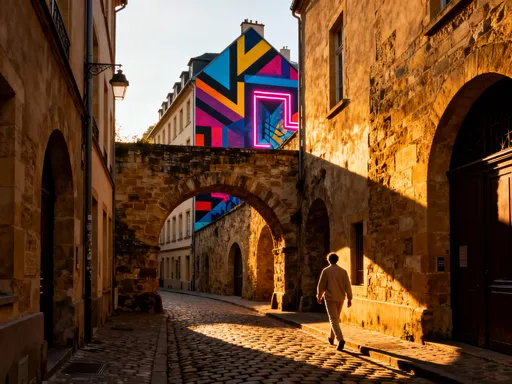
Luxembourg City, perched atop dramatic sandstone cliffs and cradled by deep valleys, offers more than postcard views—it pulses with artistic energy rooted in centuries of layered history. The journey into its cultural soul begins in the Grund district, a picturesque neighborhood nestled at the bottom of a lush ravine. Once a working-class enclave, Grund has evolved into a quiet sanctuary where cobblestone paths wind past ivy-covered stone houses, small boutiques, and intimate art studios. This is not a polished, commercialized art district, but a lived-in space where creativity blends seamlessly with daily life. Visitors often find themselves pausing at open studio doors, catching glimpses of painters at easels or sculptors shaping clay, their work illuminated by soft natural light filtering through old wooden windows.
The charm of exploring art in the Grund lies in its spontaneity. Unlike major capitals where galleries cluster in predictable zones, here art emerges organically—from a piano recital in a converted chapel to an impromptu photography exhibit in a café. The area’s proximity to the Alzette River adds to the atmosphere, with reflections of ancient stone walls shimmering in the water, creating a living canvas that changes with the light. Walking through this district, one senses how history and modern expression coexist. Roman foundations lie beneath 17th-century buildings, and former fortifications now serve as backdrops for contemporary installations. This blending of timelines is not accidental; it reflects Luxembourg’s national identity, shaped by its strategic location at the crossroads of French, German, and Belgian influences.
Extending from the Grund, the UNESCO-listed old town—known as Ville Haute—offers a broader cultural panorama. As you ascend the Chemin de la Corniche, often called “Europe’s most beautiful balcony,” you’re treated to sweeping views of the city’s fortifications and the modern Kirchberg district. But beyond the vistas, this historic core houses hidden artistic gems. The Eglise Saint-Jean, a 17th-century Jesuit church, frequently hosts temporary exhibitions that juxtapose classical architecture with modern multimedia works. The contrast is striking: Baroque altarpieces stand in quiet dialogue with digital projections mapping the vaulted ceilings. These curated interventions do not overpower the space but instead invite reflection on how art can evolve within sacred contexts without diminishing their original spirit.
What makes Luxembourg City’s cultural heart so accessible is its human scale. You don’t need a full day to cover multiple venues; instead, you can wander at a relaxed pace, allowing time to absorb each experience. For women in their 30s to 50s—often balancing travel with family or personal renewal—this ease of exploration is invaluable. There’s no pressure to “see it all,” yet every turn reveals something meaningful. Whether it’s a handcrafted jewelry display in a converted wine cellar or a poetry reading in a sunlit courtyard, the city’s art scene feels personal, inviting, and deeply rooted in community. Starting your journey here sets a tone of discovery grounded in authenticity, not spectacle.
MUDAM: Where Modern Art Meets Architectural Genius
Rising from the Kirchberg plateau like a sculptural vision, the MUDAM (Musée d'Art Moderne Grand-Duc Jean) stands as a testament to Luxembourg’s bold embrace of contemporary art. Designed by the legendary architect I.M. Pei, best known for the Louvre Pyramid in Paris, the museum is a masterclass in harmonizing modern design with historical context. Built on the site of the old Fort Thüngen, MUDAM’s angular glass and pale concrete structure echoes the geometric precision of military fortifications while offering a transparent, open invitation to the public. Natural light floods the interior through a series of skylights and floor-to-ceiling windows, ensuring that even on overcast days, the space feels bright and energizing—a deliberate choice to make modern art approachable rather than intimidating.
Inside, MUDAM’s permanent and rotating collections showcase a dynamic range of European avant-garde works, with a strong emphasis on Luxembourgish artists gaining international recognition. The museum avoids the trap of being overly academic; instead, it curates exhibitions that invite emotional and intellectual engagement. One recent exhibit featured immersive light installations that responded to visitors’ movements, turning passive observation into active participation. Another highlighted abstract textile art, drawing connections between traditional domestic crafts and contemporary feminist expression—an approach that resonates deeply with many women who value both artistic innovation and personal narrative.
What sets MUDAM apart is its commitment to accessibility. Admission is free on the first Sunday of every month, a policy that encourages locals and tourists alike to return regularly. For those planning a visit, arriving early in the morning or later in the afternoon on weekdays ensures a quieter experience, allowing time to linger without crowds. The museum also offers guided tours in multiple languages, including English and French, which provide valuable context for those unfamiliar with contemporary art movements. These tours are particularly helpful for understanding conceptual pieces that might otherwise feel obscure.
Families will appreciate the thoughtful design of the children’s activity corner, where young visitors can engage in hands-on art projects inspired by current exhibitions. This inclusive approach reflects Luxembourg’s broader cultural philosophy: art is not reserved for elites but is a shared resource. The museum café, with its panoramic views of the city and surrounding park, offers a peaceful spot to reflect on what you’ve seen. Whether you’re drawn to bold installations, minimalist sculptures, or experimental video art, MUDAM bridges tradition and innovation in a way that feels both grounded and forward-looking.
Casino Luxembourg: A Hidden Gem for Contemporary Visionaries
Tucked away on a quiet square in the heart of the city, the Casino Luxembourg – Forum d'art contemporain occupies a striking 19th-century neoclassical building that once served as a public bathhouse. Despite its name, it has no connection to gambling; instead, “casino” here refers to a cultural gathering place, a nod to its original purpose as a social hub. Today, it stands as one of Europe’s most dynamic non-collecting art forums, dedicated exclusively to temporary exhibitions of contemporary art. This unique model means the space is constantly reinventing itself, offering fresh perspectives with each new installation. For art lovers who crave novelty and depth, Casino Luxembourg delivers an experience that is both intellectually stimulating and emotionally resonant.
The exhibitions at Casino Luxembourg often focus on conceptual and experimental works by emerging and mid-career artists from Luxembourg and beyond. Recent shows have explored themes such as urban transformation, digital identity, and ecological consciousness—subjects that feel particularly relevant in today’s world. One standout exhibit used augmented reality to overlay historical images of Luxembourg City onto present-day streets, allowing visitors to “see” how neighborhoods have changed over time. This blending of technology and memory created a powerful sense of continuity and loss, appealing to those who appreciate art that tells stories beyond the visual.
What makes this venue especially rewarding is its intimate scale. With only a few rooms spread across two floors, the museum encourages close, contemplative viewing. There’s no rush to move from one gallery to the next; instead, you’re invited to sit, observe, and reflect. Guided tours are offered weekly and are highly recommended for gaining insight into the curatorial intent behind complex installations. The staff, often artists or art historians themselves, speak with genuine enthusiasm, making the experience feel personal rather than clinical.
For visitors seeking a deeper connection, the museum occasionally hosts artist talks and live discussions, typically in the late afternoon. These events provide rare opportunities to hear directly from creators about their process, inspiration, and challenges. They also foster a sense of community, especially for women who may be exploring art as a form of personal expression or creative renewal. The surrounding neighborhood, with its quiet cafés and independent bookshops, complements the experience perfectly. A visit to Casino Luxembourg isn’t about checking a box on a tourist itinerary—it’s about slowing down and engaging with ideas that matter.
Street Art Trails: The Urban Canvas Beyond Museums
While Luxembourg’s museums offer curated excellence, the city’s true artistic pulse can also be felt in its streets. Over the past decade, Luxembourg has embraced public art as a way to revitalize neighborhoods and reflect its multicultural identity. Organized street art trails now guide visitors through districts like Limpertsberg and Bonnevoie, where vibrant murals transform blank walls into open-air galleries. These routes are easily walkable or accessible by bicycle, making them ideal for families or travelers who want to explore at a relaxed pace. Each piece tells a story—some celebrate local history, others address global themes like sustainability or migration, and a few simply delight with color and whimsy.
One of the most striking murals, located in Bonnevoie, depicts a young girl releasing a flock of paper birds into the sky. Painted in bold blues and golds, the image has become a symbol of hope and resilience, resonating with many who see art as a source of emotional healing. Local artists, often supported by city-funded initiatives, work in diverse styles—from photorealistic portraits to abstract geometric patterns. Their presence is not random; each mural is carefully selected through community consultations, ensuring that public art enhances rather than disrupts the neighborhood’s character.
Exploring these street art zones offers a different kind of cultural immersion. Unlike museums, where silence and stillness are expected, the streets are alive with daily life. You might pause to photograph a mural only to strike up a conversation with a resident who remembers the painting process, or hear children laughing as they identify animals hidden in a colorful composition. For women traveling with children or friends, these walks combine creativity with connection, turning sightseeing into shared discovery.
To make the most of the experience, visitors can download a free map from the city’s tourism website or pick up a printed guide at the tourist office. Early morning or late afternoon light provides the best conditions for photography, casting soft shadows that enhance the textures of the artwork. It’s also important to explore respectfully—these murals are part of people’s everyday environment, not just tourist attractions. By staying on designated paths and avoiding loud behavior, visitors honor the community that welcomes them. Street art in Luxembourg isn’t rebellion for its own sake; it’s a dialogue between artists, residents, and visitors—a living conversation painted in bold strokes.
National Museum of History and Art: Where Past Meets Present
For those who appreciate the depth of heritage, the National Museum of History and Art (Musée National d'Histoire et d'Art, or MNHA) offers a comprehensive journey through Luxembourg’s past. Located in a grand early 20th-century building near the city center, the museum houses over 90,000 objects spanning from prehistoric times to the modern era. Its four floors unfold like chapters in a richly illustrated book, beginning with Gallo-Roman artifacts—among them, intricately patterned mosaics and ceremonial weapons—and moving through medieval religious sculptures, Renaissance paintings, and 19th-century decorative arts. What makes the experience compelling is not just the quality of the collection, but the way it’s presented: with clarity, context, and a touch of modern storytelling.
One of the museum’s highlights is its Roman villa reconstruction, a full-scale model based on archaeological findings in the region. Visitors can walk through rooms decorated with authentic frescoes and furnished with replicas of household items, gaining a vivid sense of daily life nearly two millennia ago. This immersive approach makes history tangible, especially for children and teens who benefit from experiential learning. The museum also features a dedicated space for temporary exhibitions, often focusing on lesser-known aspects of Luxembourgish culture, such as the role of women in wartime industries or the evolution of traditional folk costumes.
Navigating the museum is straightforward, thanks to clear signage and thematic zones. A suggested route begins on the ground floor with antiquities, then ascends chronologically. Families can use the free audio guide or pick up a children’s activity booklet at the entrance, which turns exploration into a game of discovery. For adult visitors, the fine arts section on the upper floors offers quiet contemplation, with works by Luxembourgish masters like Jean-Pierre Pescatore and Joseph Kutter displayed in well-lit galleries. Natural light filters through skylights, reducing glare on paintings and creating a serene atmosphere.
The museum’s curatorial philosophy emphasizes continuity—how ancient craftsmanship informs modern design, how historical events shape national identity. This narrative thread gives cohesion to a diverse collection, preventing the experience from feeling fragmented. Admission is reasonably priced, and families benefit from reduced rates. With benches placed throughout the galleries, it’s easy to take breaks, making it a comfortable destination for older visitors or those needing rest. The MNHA doesn’t just preserve the past; it makes it relevant, showing how history lives on in today’s art, architecture, and values.
Beyond the Capital: Cultural Hotspots in Smaller Towns
While Luxembourg City dazzles with its density of cultural offerings, the country’s artistic spirit extends far beyond the capital. The southern town of Esch-sur-Alzette, once defined by steel production, has reinvented itself as a vibrant cultural hub. This transformation was accelerated by its designation as a European Capital of Culture in 2022, a title that brought investment, international collaborations, and renewed pride. Today, Esch is home to the Rockhal, a renowned music and arts center that hosts not only concerts but also artist residencies, workshops, and experimental performances. Its industrial-chic architecture, built on the site of a former blast furnace, symbolizes the town’s creative rebirth.
Equally compelling is Minett Park, an open-air cultural park spread across former mining sites. Here, large-scale sculptures blend with nature trails, creating an unexpected fusion of art and landscape. One installation, a steel wave rising from a reclaimed lake, reflects both the region’s industrial past and its ecological future. Guided tours explain the history of the area while highlighting the symbolism in the artworks. For families, the park offers picnic areas, playgrounds, and educational exhibits about sustainable development—making it a full-day destination that combines culture, nature, and relaxation.
In the north, the picturesque town of Vianden offers a different kind of artistic experience. Nestled in a valley along the Our River, it is best known for its majestic castle, but its smaller ateliers tell a quieter, equally important story. Local artisans—potters, weavers, and woodcarvers—keep traditional crafts alive, often using techniques passed down through generations. Visitors can watch demonstrations, purchase handmade goods, and even try short workshops. These encounters offer a tactile connection to culture, appealing to those who value authenticity and sustainability.
Reaching these towns is easy thanks to Luxembourg’s completely free public transportation system. Trains and buses connect major destinations, allowing day trips without the stress of parking or navigation. A recommended itinerary includes a morning in Esch, followed by an afternoon in Minett Park, or a full-day journey to Vianden with a castle visit and craft studio tour. These excursions reveal the depth of Luxembourg’s cultural fabric—diverse, resilient, and deeply human.
Insider Tips for an Immersive Art & Culture Experience
To truly embrace Luxembourg’s art scene, timing and rhythm matter. The best months to visit are May through September, when outdoor installations are at their most vibrant and festivals animate the streets. The annual “Nuit des Musées” (Night of Museums), typically held in May, offers free access to over 30 cultural venues, many with live music, performances, and extended hours. It’s a magical evening when the city feels like one open-air celebration of creativity. Similarly, the Luxembourg City Film Festival in February showcases international and regional cinema, often with director Q&As and themed art exhibits.
Take full advantage of the country’s free public transport—trains, trams, and buses are not only cost-free but also efficient and clean. This allows spontaneous exploration without budget concerns. When visiting museums, aim for weekday mornings to avoid weekend crowds. Many venues offer lockers, so you can travel light. Comfortable walking shoes are essential, as Luxembourg’s terrain is hilly, and much of the art is best experienced on foot.
For deeper engagement, check local event listings for artist meetups, sketching groups, or cultural workshops. These gatherings, often hosted in community centers or libraries, welcome visitors and provide authentic connections. And don’t underestimate the power of a simple café stop—many of Luxembourg’s best conversations about art happen over a cup of coffee in a sunlit square. By embracing these rhythms, you move beyond sightseeing into genuine cultural participation.
Conclusion
Luxembourg’s art and culture aren’t just displayed—they’re lived. From grand museums to alleyway murals, every corner tells a story shaped by resilience, fusion, and quiet innovation. This small nation proves that depth isn’t measured in size, but in soul. Whether you’re an art lover or simply curious, let Luxembourg surprise you—not with scale, but with sincerity. Your journey into its creative heart is waiting.