You Won’t Believe How Portland’s Terrain Shapes Its Soul
Portland isn’t just another Pacific Northwest city—it’s a place where nature and culture collide in the most unexpected ways. Nestled between forested hills, winding rivers, and volcanic peaks, its dramatic landscape doesn’t just inspire the people—it defines them. I was stunned by how deeply the terrain influences everything, from local art to coffee culture. This is more than a travel destination; it’s a living conversation between land and lifestyle. The city’s soul isn’t carved from concrete or steel, but from soil, rain, and elevation. From the moment you step into Portland, you feel it: a rhythm shaped by the land itself, where every hill tells a story and every river carries a legacy. This is a city that listens to its geography and responds with creativity, resilience, and quiet pride.
The Lay of the Land: Understanding Portland’s Unique Geography
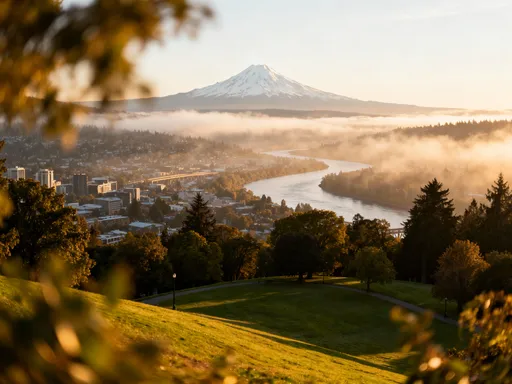
Portland’s identity begins with its geography. Situated in the Willamette Valley, the city lies in a narrow corridor bounded by the Cascade Range to the east and the Coast Range to the west. The Willamette River flows north through its heart, dividing east and west, while the Tualatin Mountains—locally known as the West Hills—rise sharply to the west of downtown. This unique positioning creates a mosaic of microclimates, where rainfall, temperature, and sunlight vary significantly over just a few miles. On any given day, one neighborhood might be drenched in rain while another basks in sunlight just ten minutes away, a phenomenon locals accept as part of life’s rhythm.
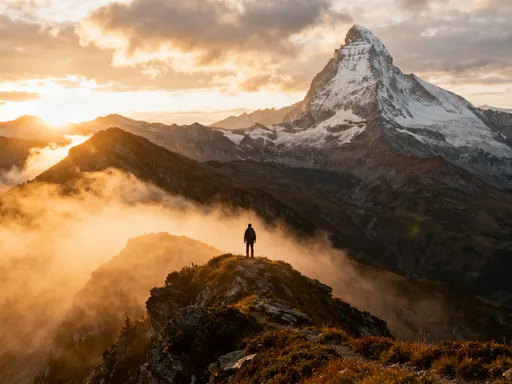
The city’s proximity to Mount Hood, a glaciated stratovolcano standing at over 11,000 feet, is more than a scenic backdrop—it’s a cultural touchstone. Visible on clear days from much of the metro area, Mount Hood anchors the eastern horizon and influences weather patterns, contributing to the region’s abundant snowmelt that feeds rivers and reservoirs. The Columbia River Gorge, just 30 miles east, acts as a natural wind tunnel and a gateway to eastern Oregon, shaping both climate and transportation. These geological features are not distant or abstract; they are part of daily life, informing everything from commute decisions to weekend plans.
Urban development in Portland has had to adapt to this varied topography. Unlike grid-based cities built on flat plains, Portland’s layout follows the contours of the land. Streets curve around hills, neighborhoods climb steep inclines, and bridges span deep river cuts. This organic growth has fostered a sense of place that feels less engineered and more emergent, as if the city grew from the ground up rather than being imposed upon it. The terrain doesn’t just influence how the city looks—it determines how people move, where communities form, and how public spaces are used.
Mountains, Rivers, and Rain: How Nature Fuels Portland’s Creative Pulse
Portland’s climate—characterized by mild temperatures and frequent rainfall—might seem like a deterrent to outdoor life, but it has instead nurtured a distinctive indoor culture rooted in creativity and craftsmanship. The city’s rainy season, which spans from October to May, encourages residents to seek warmth and connection indoors, giving rise to a thriving network of independent bookstores, coffee shops, and artisan studios. These spaces are not mere shelters from the weather; they are incubators of culture, where ideas are exchanged, music is composed, and art is born. The rhythm of the seasons, dictated by the land and sky, sets the pace for creative expression.
Local artists often draw direct inspiration from the surrounding landscape. Painters capture the misty glow of Mount Hood at dawn, musicians compose melodies echoing the rush of waterfall-fed rivers, and textile designers incorporate patterns reminiscent of ferns and moss. The city’s renowned First Thursday art walks in the Pearl District, for example, reflect a community deeply engaged with its environment. Galleries showcase works that explore themes of nature, sustainability, and place, reinforcing the idea that art and ecology are intertwined. These events, which draw hundreds each month, are more than cultural outings—they are affirmations of identity shaped by terrain.
Seasonal shifts also dictate the rhythm of community life. In summer, when the rains subside and rivers swell with snowmelt, Portlanders flock to the water. Events like the Rose Festival’s Fleet Week and the Multnomah Falls Swim Classic celebrate the city’s aquatic connections. Meanwhile, winter brings a different kind of energy—cozy, introspective, and communal. Indoor markets, craft fairs, and live music performances flourish, offering warmth in every sense. The terrain, with its cycles of wet and dry, high and low, doesn’t limit life—it structures it, giving Portland a cultural calendar that feels both natural and intentional.
From Volcanic Soil to Urban Farms: The Terrain That Feeds the City
Beneath Portland’s streets and sidewalks lies a foundation that sustains more than buildings—it feeds the city. The region’s soil, enriched by centuries of volcanic activity from Mount Hood and other Cascade peaks, is exceptionally fertile. This geologic legacy has given rise to one of the most robust farm-to-table movements in the United States. Farmers markets, community gardens, and urban farms thrive across the city, transforming vacant lots and backyards into productive green spaces. The terrain, far from being an obstacle, becomes a resource—one that nurtures both bodies and community values.
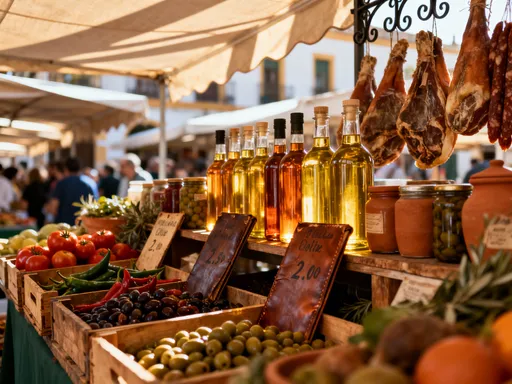
The Portland Farmers Market at PSU, operating year-round, is a testament to this agricultural ethos. It features over 150 vendors offering fresh produce, artisan breads, honey, and handmade cheeses, nearly all sourced within a 100-mile radius. The market’s success reflects a broader cultural commitment to sustainability, seasonality, and local stewardship. Residents don’t just buy food here—they build relationships with growers, learn about planting cycles, and participate in a system that honors the land. This is not fast food; it’s mindful eating, rooted in geography and gratitude.
Urban farming initiatives like Zenger Farm and the Portland Urban Farm Project further demonstrate how the city integrates agriculture into its fabric. These nonprofit organizations provide education, job training, and fresh produce to underserved communities, all while modeling sustainable practices. They use raised beds, compost systems, and rainwater harvesting—methods adapted to the city’s clay-heavy soil and wet climate. The volcanic soil may be naturally rich, but Portlanders understand that long-term fertility requires care, much like any other relationship. This ethic of tending and reciprocity extends beyond farming into broader civic life, shaping attitudes toward waste, consumption, and community responsibility.
Neighborhoods Carved by Nature: How Topography Shapes Community Identity
Portland’s neighborhoods are not arbitrary divisions—they are shaped by the land itself. The West Hills create a natural barrier between west and east, resulting in distinct communities with unique characters. Northwest Portland, nestled in the hills, features winding roads, historic homes, and sweeping views of the city. Its elevation and seclusion foster a sense of privacy and exclusivity, yet it remains deeply connected to nature through nearby Forest Park and the Wildwood Trail. In contrast, Sellwood, located along the Willamette River’s east bank, has a more accessible, river-oriented identity, with flat streets, bike paths, and a strong neighborhood association that organizes river cleanups and outdoor events.
The city’s topography also influences transportation and accessibility. Areas like Laurelhurst and Irvington, built on relatively flat land, are highly walkable and bike-friendly, with tree-lined streets and easy access to public transit. Meanwhile, neighborhoods such as Mount Tabor and Sylvan—perched on volcanic cinder cones and steep slopes—require more effort to navigate. Residents here often develop a stronger sense of community, united by shared challenges like icy winter roads or long stair climbs. These physical barriers don’t isolate; they bond. Community gardens, block parties, and neighborhood associations flourish in these areas, creating tight-knit networks that value mutual support.
Architecture, too, responds to the land. Homes in hilly areas are often built into the slope, with daylight basements and multi-level designs that minimize environmental impact. Green roofs, rain gardens, and permeable driveways are common, reflecting a design philosophy that works with, not against, the terrain. Even public schools and libraries are sited with views and access to nature in mind. The result is a city where no two neighborhoods feel the same, yet all share a common thread: a deep respect for the natural world as a foundation for daily life.
Outdoor Access as Cultural Norm: Trails, Parks, and the Portland Way of Life
In Portland, access to nature isn’t a luxury—it’s a birthright. The city boasts over 200 parks, including Forest Park, one of the largest urban forests in the United States, spanning more than 5,000 acres and offering over 80 miles of trails. This vast green network allows residents to hike, run, birdwatch, or simply sit in silence within minutes of downtown. Mount Tabor Park, built on an extinct volcanic cinder cone, offers panoramic views and a reservoir turned recreational space, while Powell Butte Nature Park provides trails through meadows and woodlands on the city’s eastern edge. These spaces are not afterthoughts; they are central to Portland’s identity.
Recreation in Portland is not confined to parks. The Willamette and Columbia Rivers support kayaking, paddleboarding, and fishing, while nearby trails like the Historic Columbia River Highway offer world-class hiking and cycling. Data from the Trust for Public Land consistently ranks Portland among the top U.S. cities for park access, with over 90% of residents living within a 10-minute walk of a park. This proximity fosters a culture of outdoor activity that begins in childhood and continues throughout life. Families hike on weekends, professionals bike to work, and retirees lead nature walks—all part of a lifestyle that values movement, fresh air, and connection to the earth.
This outdoor culture also reinforces environmental awareness. Clean air and water are not abstract concerns but daily experiences. When rivers flood or forests burn in the surrounding region, the impact is felt personally. As a result, Portlanders tend to support policies that protect natural resources, from urban growth boundaries to plastic bag bans. The city’s high rate of recycling, composting, and public transit use reflects a collective understanding that lifestyle and landscape are inseparable. To live well in Portland is to live lightly on the land, with gratitude and care.
Bridging the Divide: How Infrastructure Responds to Challenging Terrain
Portland’s geography presents real challenges for infrastructure, but the city has met them with innovation and aesthetic sensitivity. The Willamette River alone is crossed by twelve bridges within the city limits, each serving a distinct purpose and reflecting a different era of engineering. The St. Johns Bridge, with its Gothic-inspired towers and soaring suspension design, is not just functional—it’s iconic. Completed in 1931, it connects North Portland to the rest of the city across a deep river valley, allowing residents to traverse a natural barrier without sacrificing beauty. Its design harmonizes with the surrounding forested hills, proving that infrastructure can enhance, rather than disrupt, the natural landscape.
The MAX Light Rail system further illustrates how Portland adapts to its terrain. Lines run along riverbanks, through tunnels, and up steep grades, connecting distant neighborhoods with efficiency and reliability. The Green Line, for instance, links Clackamas Town Center to downtown via the Oregon City Bridge, while the Blue Line extends eastward along the Banfield Freeway corridor. These routes were carefully planned to minimize environmental impact while maximizing accessibility. Stations are designed with native landscaping, public art, and bike racks, reinforcing the city’s commitment to sustainability and community.
Even smaller-scale solutions reflect thoughtful integration with the land. The city maintains hundreds of public stairways in hilly areas, often decorated with mosaics or lined with flowers, turning necessity into charm. Bike lanes are carved into narrow streets, and greenways—low-traffic routes lined with trees and plantings—guide cyclists safely through neighborhoods. These features don’t just solve problems; they enrich daily life, making movement through the city a pleasant, even inspiring, experience. Portland’s infrastructure doesn’t conquer the terrain—it converses with it, finding balance between utility and beauty.
Why This Matters: The Bigger Picture of Place and Identity
The story of Portland is ultimately a lesson in harmony. It shows how a city can grow not in spite of its landscape, but because of it. The hills, rivers, and volcanic soil are not obstacles to development—they are the very foundation of culture, community, and creativity. In an era of urban homogenization, where cities increasingly look and feel the same, Portland stands apart. It reminds us that place matters, that geography shapes identity in ways both subtle and profound. When a city listens to its land, it fosters a deeper sense of belonging, resilience, and purpose.
For travelers, Portland offers more than sights and souvenirs—it offers insight. It invites visitors to slow down, to notice the moss on the sidewalk, the scent of rain on pine, the way light filters through the trees at dusk. It challenges the notion that progress means paving over nature, suggesting instead that true advancement lies in coexistence. For urban dwellers elsewhere, Portland’s example is both inspiring and instructive. It proves that cities can be dense and green, modern and natural, connected and grounded—all at once.
As climate change and urbanization reshape the world, the way we relate to land will define our future. Portland’s relationship with its terrain offers a model: one of respect, adaptation, and reciprocity. It teaches us that the soul of a city isn’t found in its skyline, but in its soil. So the next time you walk through a park, cross a bridge, or taste a locally grown tomato, remember—these are not small things. They are expressions of a deeper truth: that where we are shapes who we become. And in Portland, that truth is written in every hill, every river, every raindrop that falls.