You Won’t Believe These Hidden Wild Spaces Around Zermatt
Nestled beneath the shadow of the mighty Matterhorn, Zermatt is more than just a postcard-perfect village—it’s a gateway to some of Europe’s most untouched protected landscapes. I’ve wandered these trails and alpine meadows many times, and each visit feels like stepping into a living postcard. These quiet, protected zones aren’t always on the main tourist map, but they offer the purest mountain experiences you can imagine. Let me take you where few tourists go—into the heart of nature’s sanctuary. Here, the air is crisp, the silence deep, and the views stretch beyond imagination. This is not just travel—it’s transformation through stillness.
The Quiet Side of Zermatt: Beyond the Postcard
Zermatt is world-famous for its car-free streets, chocolate-box chalets, and the ever-present gaze of the Matterhorn. Yet beyond the well-trodden paths to Gornergrat and Klein Matterhorn, a quieter, more profound side of the region unfolds. Just a short hike or cable car ride from the village center lie protected alpine zones that few visitors fully explore. These areas—designated under Swiss federal and cantonal environmental laws—are preserved to maintain ecological balance, protect fragile flora and fauna, and ensure that future generations inherit landscapes unspoiled by overdevelopment.
The Swiss government has long recognized the importance of preserving high-altitude ecosystems. In the Zermatt region, this means strict limitations on construction, motorized access, and commercial expansion within certain boundaries. As a result, vast stretches of alpine terrain remain free from hotels, restaurants, or souvenir shops. Instead, what you find are open meadows, glacial streams, and untouched forests where nature follows its own rhythm. These zones are not hidden because they are inaccessible, but because they do not advertise themselves. There are no neon signs or crowded viewing platforms—only trails marked with subtle wooden signs and the occasional ranger post.
For travelers seeking authenticity, this quiet preservation is a gift. The absence of noise and crowds allows for a deeper connection with the environment. You can hear the rustle of a marmot in the rocks, the distant call of an alpine bird, or the soft chime of cowbells echoing across a valley. These sensory details are often lost in more developed tourist areas. In the protected spaces around Zermatt, the mountain experience returns to its essence: simplicity, solitude, and awe. It’s a reminder that some of the most powerful moments in travel come not from seeing a famous landmark, but from feeling truly present in a place.
Why Protected Areas Matter for Travelers
Conservation is often discussed in ecological terms, but for the thoughtful traveler, protected areas offer something equally valuable: authenticity. When a landscape is legally preserved, it resists the pressures of mass tourism and commercialization. This means fewer people, less noise, and more opportunities to witness nature as it truly is. In the Zermatt region, places like the Schwarzsee area and the upper Findel Valley benefit from such protection, allowing visitors to experience alpine wilderness in a way that feels remote and undisturbed.
Take Schwarzsee, for example. Nestled at an elevation of about 2,583 meters, this glacial lake reflects the surrounding peaks with mirror-like clarity. Because the area is protected, there are no large facilities nearby, only a small mountain hut that operates sustainably. Hikers who reach the lake are rewarded not just with views, but with a sense of discovery. You might spot a golden eagle circling above or a family of ibex climbing the nearby cliffs. These wildlife sightings are more common here than in busier zones because animals are less disturbed by human activity.
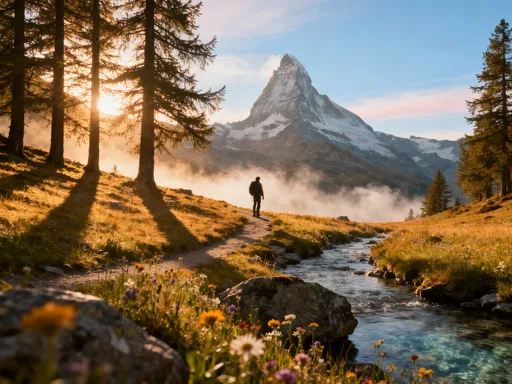
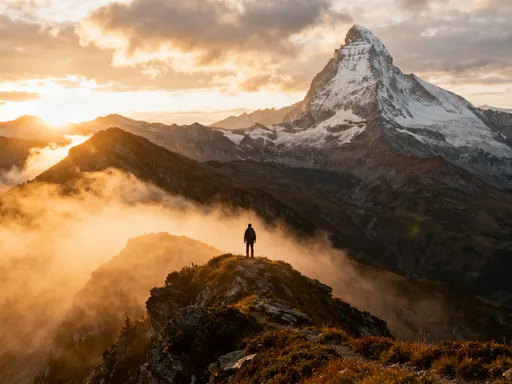
Photographers and nature lovers also benefit from the preservation of these spaces. Without artificial lighting, structures, or crowds, the natural beauty remains unaltered. A sunrise over the Matterhorn, seen from a quiet meadow near Findel Valley, feels more intimate and powerful because it hasn’t been staged for tourists. The colors of the sky, the texture of the snow, and the silence of the morning create a moment that feels timeless.
From a broader perspective, these protected areas also ensure the long-term sustainability of tourism itself. Mountain environments are fragile. Soil erosion, pollution, and habitat disruption can occur quickly when too many people visit without regulation. By limiting access and enforcing conservation rules, Switzerland protects not only nature but also the future of alpine tourism. This means that decades from now, travelers will still be able to hike the same trails, see the same wildflowers, and feel the same sense of wonder. Responsible travel isn’t just about personal behavior—it’s supported by systems that prioritize preservation over profit.
How to Access These Hidden Natural Zones
One of the most encouraging aspects of Zermatt’s protected areas is that they are not reserved for expert mountaineers or scientists. Many are accessible to visitors of moderate fitness through well-maintained trails and reliable public transport. The key is knowing where to go and how to get there without disrupting the environment.
To reach Schwarzsee, for instance, travelers can take the cable car from Zermatt village to the Schwarzsee station. The ride itself offers panoramic views of the surrounding peaks and takes less than ten minutes. From the top, a gentle trail circles the lake, suitable for families and casual hikers. The path is clearly marked with yellow hiking signs, and information boards at the trailhead explain the ecological importance of the area. No special equipment is needed in summer, though sturdy shoes and weather-appropriate clothing are recommended.
For those interested in the Findel Valley, the starting point is the small hamlet of Findeln, just a short walk from central Zermatt. The Findelbach trail follows a crystal-clear mountain stream as it winds upward through pine forests and open meadows. After about an hour of hiking, the valley opens into a broad alpine basin surrounded by rocky ridges. This area is part of a larger conservation zone, and while there are no facilities beyond a few rustic benches, the sense of remoteness is immediate. The trail is well-maintained and marked, making it safe and straightforward for independent exploration.
Public transport in Zermatt is efficient and environmentally friendly. The village is car-free, and electric taxis and horse-drawn carriages help reduce emissions. From Zermatt, regional trains and buses connect to trailheads and cable car stations, all operating on a reliable schedule. Most services run from late spring to early autumn, with reduced frequency in shoulder seasons. It’s important to check timetables in advance, especially if planning a full-day hike, as some routes may close temporarily due to snow or maintenance.
For visitors with limited mobility, some areas offer accessible viewpoints or shorter loops. While the most remote zones require hiking, Switzerland’s commitment to inclusive tourism means that even protected landscapes are designed with varying abilities in mind. Information centers in Zermatt provide detailed maps and advice, ensuring that everyone can find a way to experience the region’s natural beauty responsibly.
What You’ll See: Flora, Fauna, and Alpine Silence
The true magic of Zermatt’s protected zones lies in their sensory richness. Here, nature speaks in subtle ways—through the scent of pine on a mountain breeze, the flash of a chamois disappearing over a ridge, or the soft crunch of gravel underfoot. These experiences are not dramatic in the way a fireworks display might be, but they linger in memory because they feel genuine and unscripted.
Alpine flora thrives in these preserved conditions. In early summer, meadows near Schwarzsee burst into color with blooms of alpine aster, gentian, and the iconic edelweiss. This delicate white flower, once sought after by climbers as a symbol of courage, is now protected by law. Picking it is strictly forbidden, but seeing it grow naturally among the rocks is a reward in itself. Other plants, like dwarf willow and alpine saxifrage, have adapted to survive in thin soil and harsh winds, their low-growing forms hugging the ground for protection.
Wildlife is equally resilient. Marmots are a common sight, often seen sunbathing on warm rocks or standing upright to survey their territory. Their loud whistles echo across the valleys, serving as alarms to their colony. With patience and quiet movement, hikers may also spot ibex, the majestic wild goats with curved horns that seem to defy gravity as they climb near-vertical cliffs. Chamois, smaller and more elusive, move swiftly through rocky terrain, their dark coats blending into the shadows.
Birdlife adds another layer to the soundscape. The call of the alpine chough, a glossy black bird with a bright yellow beak, is often heard near high-altitude areas. Golden eagles soar above the ridges, using thermal currents to glide effortlessly over vast distances. Even the smaller creatures play a role—bees pollinate wildflowers, and beetles break down organic matter, contributing to the delicate balance of the ecosystem.
But perhaps the most striking feature of these zones is the silence. In the lower valleys and village streets, there is always some background hum—footsteps, voices, the occasional bell. But higher up, in the heart of the protected areas, sound diminishes. Wind becomes the dominant force, rustling through grass or whistling over ridges. A distant avalanche might rumble like thunder, reminding visitors of the mountain’s power. Otherwise, the stillness is profound. It is in this quiet that many travelers report feeling a sense of clarity or peace, as if the noise of daily life has finally been left behind.
Responsible Exploration: Staying Within the Rules
With access comes responsibility. The very qualities that make these areas special—their purity, silence, and biodiversity—depend on careful stewardship. Switzerland enforces strict regulations in protected alpine zones, and visitors are expected to follow them without exception. These rules are not arbitrary; they are based on decades of environmental research and practical experience in managing fragile ecosystems.
The first and most fundamental rule is to stay on marked trails. Alpine soil is thin and slow to regenerate. A single footstep off the path can damage plant roots or accelerate erosion, especially on slopes. Over time, unchecked wandering creates informal trails that fragment habitats and disturb wildlife. The yellow hiking signs throughout the region are there for a reason—they guide visitors safely while minimizing environmental impact.
Littering is strictly prohibited, and there are no trash bins in remote areas for a reason: all waste must be carried out. This includes food wrappers, fruit peels, and even biodegradable items, which decompose slowly at high altitudes and can attract animals to human food sources. The principle is simple: leave no trace. What you bring in, you take out.
Drones are another critical concern. While they may seem harmless, their noise and movement can panic wildlife, especially nesting birds or grazing animals. In many protected zones around Zermatt, drone use is illegal without a special permit. Even casual photography from a distance should be done with care, avoiding sudden movements or loud noises that might disturb animals.
Respecting wildlife also means keeping a safe distance. Feeding animals is forbidden, as it alters their natural behavior and can lead to dependency on humans. Approaching too closely, even with good intentions, can stress animals or provoke defensive reactions. Rangers patrol these areas regularly, and signage in multiple languages reinforces these guidelines. The goal is not to restrict enjoyment, but to ensure that enjoyment does not come at nature’s expense.
By following these rules, every visitor becomes a guardian of the landscape. Preservation is not the sole duty of park officials—it is a shared responsibility. When travelers act with care, they help maintain the very qualities that drew them to these places in the first place.
Seasonal Shifts: When to Visit for the Best Experience
The alpine environment is never static. It shifts with the seasons, offering different experiences throughout the year. Knowing when to visit can make a significant difference in what you see and how you experience the protected zones around Zermatt.
Summer, from late June to early September, is the most accessible time. Trails are free of snow, wildflowers are in bloom, and the days are long. This is ideal for hikers of all levels, especially those hoping to see alpine flora and active wildlife. Marmots are most visible during these months, and bird activity peaks as species return from lower elevations. The weather is generally stable, though sudden changes are common, so layering clothing and carrying rain gear is essential.
Early autumn, from late September to mid-October, offers a quieter alternative. The summer crowds have thinned, and the larch trees turn a brilliant gold, creating a striking contrast against the evergreen pines and snow-dusted peaks. This season is particularly beautiful around the Findel Valley, where the open slopes catch the low sunlight, casting long shadows and warm hues. Temperatures begin to drop, and some higher trails may see early snow, but the lower protected zones remain accessible.
Winter brings a different kind of beauty, though access to the most remote protected areas is limited. Snow covers the trails, and many cable cars operate on reduced schedules. However, certain lower-elevation paths, such as those near Findeln, are maintained for winter walking. The silence is even more pronounced under a blanket of snow, and animal tracks in the powder can tell stories of nocturnal visitors. For those who appreciate stillness and solitude, a winter visit offers a rare glimpse into the mountain’s quiet season.
Spring, from April to early June, is the least predictable. Snowmelt creates rushing streams, and some trails may be muddy or closed due to avalanche risk. However, this is also the time when life returns to the high meadows. Early flowers like snowdrops emerge, and birds begin nesting. It’s a season of transition, best suited for experienced hikers who can assess conditions and plan accordingly.
Regardless of the season, checking local conditions before departure is crucial. The Zermatt tourist office and official Swiss hiking websites provide up-to-date information on trail status, weather forecasts, and safety alerts. Being informed is part of responsible travel.
Beyond the Trail: How This Changes Your View of Travel
Exploring the protected wild spaces around Zermatt does more than fill a camera roll with beautiful images. It changes the way you think about travel itself. In an age of fast itineraries and social media checklists, these quiet zones invite a different approach—one of slowness, mindfulness, and respect. They remind us that not every destination needs to be conquered or photographed to be meaningful.
There is value in simply being present. Sitting by Schwarzsee and watching the clouds shift over the peaks, or pausing on a trail to listen to the wind, can be as rewarding as reaching a summit. These moments foster a deeper connection to the natural world and to ourselves. They encourage reflection, gratitude, and a sense of belonging to something larger than daily routines.
For families, these experiences offer a chance to disconnect from screens and reconnect with each other. Children learn to observe nature quietly, to appreciate small wonders, and to understand the importance of caring for the environment. For solo travelers, the solitude can be restorative, offering space to breathe and think without distraction.
Ultimately, visiting Zermatt’s hidden wild spaces is not about escaping civilization, but about finding balance. It is about recognizing that beauty does not require alteration, and that the most profound experiences often come from restraint rather than excess. By choosing to explore with care, travelers become part of a larger story—one of preservation, awareness, and quiet inspiration.
So the next time you plan a journey, consider not just where you want to go, but how you want to be there. Seek out the quiet places. Follow the marked trail. Listen to the silence. And let the mountains remind you what it means to travel with purpose.