You Won’t Believe What I Found Shopping for Food in Córdoba
Walking through Córdoba’s narrow streets, I stumbled on something amazing — the real soul of Spanish cuisine hides in plain sight, tucked inside bustling markets and tiny specialty shops. This isn’t just shopping — it’s a sensory journey of olive oil, saffron, and slow-cooked flavors passed down for generations. If you think you know Andalusian food, think again. I didn’t expect to fall so hard for a city where every bite tells a story. Let me take you behind the scenes.
The Heartbeat of Córdoba: Exploring Mercado Victoria
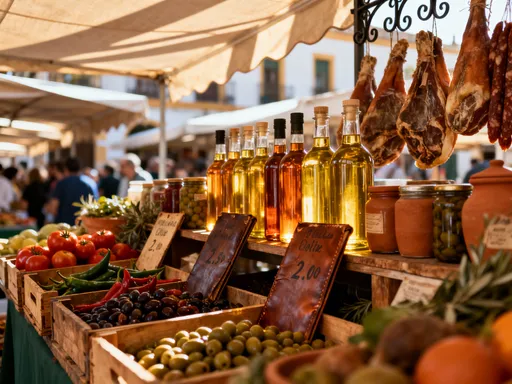
Mercado Victoria is not just a marketplace — it is the living, breathing heart of Córdoba’s culinary culture. Housed in a beautifully restored 19th-century iron structure near the Guadalquivir River, this vibrant market pulses with energy from dawn until late afternoon. Locals arrive early, shopping bags in hand, ready to gather ingredients for the day’s meals. As you step inside, the scent of fresh herbs, ripe citrus, and wood-fired bread wraps around you like a warm embrace. Stalls overflow with seasonal produce: plump cherry tomatoes still warm from the sun, glossy eggplants, and bunches of rosemary tied with twine. The colors are almost theatrical — deep red peppers stacked like pyramids, golden garlic braids hanging from wooden beams, and baskets of figs so ripe they seem to glisten.
But the market is more than just produce. It is a full sensory immersion into Andalusian life. At the fish counter, silvery sardines and sea bream are laid out on beds of crushed ice, their eyes still bright, a sign of freshness that seasoned shoppers look for. The fishmongers, many of whom have worked here for decades, greet regulars by name and offer suggestions — “Try the dorada today, it came in just after sunrise.” Nearby, butchers display cuts of Iberian pork, prized for its rich marbling and nutty flavor developed from acorn-fed pigs roaming the dehesa woodlands. Jamón ibérico, cured for years, is sliced paper-thin and offered with a smile. The pride these vendors take in their craft is evident in every interaction.
What makes Mercado Victoria truly special is the rhythm of community it fosters. Women in aprons compare recipes while selecting artichokes. Elderly couples debate which olives are best for frying. Children reach for samples of manchego cheese, their faces lighting up at the sharp, buttery taste. There is no rush, no pressure to buy — just a shared understanding that food is meant to be chosen with care. This is not a tourist performance; it is daily life in motion. For visitors, walking through Mercado Victoria is like being invited into a private ritual, one that honors quality, seasonality, and connection. It is where the act of shopping transforms into something deeper — a celebration of heritage, place, and the simple joy of eating well.
Olive Oil: Liquid Gold in Every Bottle
In Córdoba, olive oil is not merely a cooking ingredient — it is a legacy. The province of Córdoba produces some of the finest extra virgin olive oil in Spain, and much of it comes from the Picual olive, a small, robust variety known for its high polyphenol content and bold, peppery finish. As I wandered through specialty shops and market stalls, I saw bottles labeled “Aceite de Oliva Virgen Extra – Elaborado en Córdoba” with pride, often accompanied by tasting samples. But to truly understand this liquid gold, I ventured just outside the city to a small, family-run almazara — an olive mill — where generations have pressed olives using time-honored methods.
The moment I stepped onto the property, the air was thick with the green, grassy aroma of freshly crushed olives. The owner, a man in his sixties named José, greeted me with calloused hands and a warm smile. He explained that the harvest begins in late autumn, when olives are hand-picked to avoid bruising. “We don’t wait for them to fall,” he said. “We treat them like fruit, because that’s what they are.” Inside the mill, stainless steel tanks hummed softly as cold extraction preserved the oil’s delicate flavors and health benefits. Unlike industrial methods that use heat or chemicals, cold extraction ensures the oil retains its antioxidants and vibrant character.
Then came the tasting — a ritual José performs with reverence. He poured a small amount into a blue ceramic cup, warming it gently in his palms before inviting me to inhale. The fragrance was intense: fresh-cut grass, green tomato, a hint of almond. When I sipped, the oil coated my tongue with richness, then delivered a spicy kick at the back of the throat — a hallmark of high-quality Picual oil. “That burn?” José said, grinning. “That’s health. That’s tradition.” I left with a bottle wrapped in protective straw, knowing I wasn’t just carrying oil — I was carrying a piece of Córdoba’s agricultural soul. Today, every time I drizzle it over bread or use it in a salad, I’m reminded of the care, climate, and centuries of knowledge that made it possible.
Hidden Shops and Artisan Secrets
Beyond the well-trodden paths of Córdoba’s historic center, where tourists marvel at the Mezquita’s arches and patios burst with flowers, lie hidden culinary treasures known only to locals. Tucked into narrow alleyways near Calle Alfarería and just steps from the cathedral, small family-run tiendas operate without signs, their reputations built on word of mouth and decades of loyalty. These are not shops designed for Instagram — they are working kitchens, workshops, and pantries where tradition is preserved one batch at a time.
One such place, recommended by a café owner who remembered my interest in regional flavors, sold morcilla de Córdoba — a blood sausage unlike any other in Spain. While many Spanish morcillas rely on rice or onions, this version is spiced with cinnamon, nutmeg, and a touch of sherry vinegar, a legacy of Moorish and Jewish influences in the region. The shopkeeper, a woman in her seventies named Carmen, sliced a small piece for me to try. The flavor was deep and complex — earthy from the pork blood, warm from the spices, with a slight tang that made it unforgettable. “We’ve made it the same way since 1947,” she said. “My grandmother taught my mother, and she taught me.”
Other hidden gems include cheese shops aging goat and sheep’s milk cheeses in cool cellars, their rinds dusted with ash or rubbed with olive oil. There are spice stalls where cumin, saffron, and smoked paprika are ground fresh, filling the air with warmth. One tiny shop near Plaza de la Corredera sells handmade ajoblanco — a chilled almond and garlic soup — in reusable glass jars. The owner, a retired chef, insists on using only Marcona almonds and local garlic. “It’s not hard,” he says. “But it has to be right.” These artisans don’t advertise. They don’t need to. Their customers return, year after year, because authenticity cannot be faked. To find them, you must wander slowly, look for the lines of locals outside unmarked doors, and be willing to say “¿Qué me recomienda?” — “What do you recommend?” — with a smile.
The Sweet Side of Shopping: Pastries, Honey, and Almonds
Córdoba’s sweet tradition is deeply rooted in history, particularly in the convents that once relied on pastry-making to support themselves. Over centuries, nuns perfected recipes using ingredients that reflected the region’s bounty — almonds, honey, citrus, and olive oil. Today, these treats live on in family bakeries and specialty shops, where the scent of baked sugar and cinnamon drifts into the streets each morning.
One of the most iconic desserts is pestiños — diamond-shaped pastries fried until crisp, then soaked in honey and sprinkled with sesame seeds. They are often made during Christmas and Easter, but in Córdoba, you can find them year-round. I discovered a small bakery near Plaza del Potro where an elderly couple prepares them by hand every dawn. The owner, Isabel, insisted I try one fresh from the oil. It was warm, sticky, and fragrant — the honey not cloying, but floral and complex, likely from orange blossoms in the surrounding countryside. “We use only raw honey,” she said. “No syrup. No shortcuts.”
Another favorite is almendrados — delicate almond cookies that crumble at the touch, made with ground almonds, sugar, and egg white. They are light, nutty, and melt on the tongue. Then there’s tarta de Santiago, a dense almond cake marked with the cross of Saint James, often dusted with powdered sugar. What ties all these sweets together is the prominence of almonds — a legacy of Moorish agriculture that transformed southern Spain. Almond trees still bloom in the hills around Córdoba each spring, their pale pink flowers a promise of harvest. When you buy a box of pastries here, you’re not just indulging in dessert — you’re tasting centuries of adaptation, faith, and craftsmanship. And for many visitors, especially women who cherish family recipes and home cooking, these treats become cherished gifts — edible memories to share with loved ones back home.
Where to Buy, What to Bring Home: Practical Tips
Shopping in Córdoba is a joy, but bringing your finds home requires some planning. The good news is that many of the region’s most prized foods are shelf-stable and travel well — if packed correctly. Olive oil, for example, should be purchased in dark glass bottles to protect it from light, and stored in a cool, dry place. Avoid plastic containers, which can leach chemicals and degrade the oil’s flavor over time. If you’re buying multiple bottles, consider using a wine travel bag with padded compartments to prevent breakage.
Cured meats like jamón ibérico and chorizo are vacuum-sealed by most reputable shops, making them safe to pack in carry-on or checked luggage. However, it’s wise to check your home country’s customs regulations regarding meat imports. Some nations restrict or require declaration of cured pork products. Cheeses, especially hard varieties like manchego or aged goat cheese, also travel well when wrapped in wax paper and placed in airtight containers. Soft cheeses are best enjoyed on-site or purchased just before departure.
Spices and dried goods — saffron, smoked paprika, dried mushrooms — are lightweight and long-lasting. Saffron, though expensive, is worth buying in small quantities; a pinch goes a long way, and it can last for years if kept in a sealed jar away from light. Many shops in Córdoba offer beautifully packaged gift sets, perfect for sharing. If you’re unsure about carrying items, ask the vendor: “¿Pueden enviarlo a mi país?” — “Can you ship this to my country?” Many family-run stores partner with local couriers and can deliver directly to your home. Finally, always ask “¿Está hecho aquí?” — “Is this made here?” — to ensure you’re buying authentic, locally produced goods rather than imported imitations. This simple question opens doors to deeper conversations and often leads to personal recommendations you won’t find in guidebooks.
Beyond the Market: Food Festivals and Seasonal Shopping
While Córdoba’s markets are vibrant year-round, timing your visit with local food festivals can elevate your experience from delightful to unforgettable. These events are not staged for tourists — they are deeply rooted in agricultural cycles and community traditions, offering a rare glimpse into how seasons shape what ends up on the table.
In May, the famous Festival of the Patios transforms private homes into open-air exhibitions of floral beauty. But beyond the blooms, many households also serve traditional tapas and drinks in their courtyards. You might find a grandmother offering salmorejo — Córdoba’s thick, creamy tomato soup — served in a chilled bowl with a drizzle of local oil and diced ham. Others sell homemade wine or fried pastries. It’s an intimate, joyful exchange — you pay a small entry fee, and in return, you’re welcomed into homes that have nurtured these customs for generations.
September brings the Aceite de Oliva Festival, celebrating the upcoming harvest. In villages surrounding Córdoba, such as Baena and Priego de Córdoba, you can tour olive groves, watch early pressings, and taste the first oil of the season — bright green, pungent, and alive with flavor. Local restaurants create special menus featuring dishes drizzled with new oil, and children participate in olive-picking contests. Even within the city, supermarkets and specialty shops highlight regional products during these months, making it easier to discover authentic brands. Shopping during these times isn’t just transactional — it’s participatory. You’re not just buying food; you’re joining a cycle that has sustained families for centuries. For women who value seasonal cooking and connecting with local culture, these festivals offer a meaningful way to deepen their culinary knowledge and bring home not just ingredients, but stories.
Why Food Shopping in Córdoba Beats Any Tourist Attraction
The Mezquita is magnificent. The Roman Bridge is breathtaking at sunset. But for those who find joy in cooking, sharing meals, and preserving tradition, Córdoba’s markets and food shops offer something even more profound — a connection to the heart of daily life. Here, food is not a commodity. It is a language, spoken through the hands of a cheesemaker, the smile of a vendor, the recipe passed from mother to daughter. When you buy a jar of honey, a wedge of cheese, or a bottle of olive oil, you’re not just acquiring a product. You’re supporting a farmer, a family, a way of life that resists mass production and fast consumption.
This kind of travel nourishes the soul. It invites you to slow down, to engage, to taste with intention. For women in their thirties to fifties — many of whom are the keepers of family meals and holiday traditions — Córdoba’s food culture feels deeply familiar, even if experienced for the first time. The care taken in preparation, the emphasis on quality over quantity, the pride in local ingredients — these values resonate across cultures. To shop here is to remember why food matters. It’s not just about sustenance. It’s about memory, identity, and love.
When you leave Córdoba with a suitcase heavier than you expected, it won’t be because of souvenirs or clothes. It will be because you couldn’t resist the saffron, the almonds, the jar of ajoblanco. And when you unpack at home, drizzling that golden oil over roasted vegetables or sharing a slice of tarta de Santiago with your family, you’ll close your eyes and be back in those sun-dappled streets, where every bite tells a story. That, more than any photo or monument, is what travel should be — a taste of home, even when you’re thousands of miles away.